
Easy Tips for Greener, Odour-Free Composting
Wondering if you can compost cabbage?
The answer is yes—cabbage is a great addition to your compost, whether you’re using a traditional pile, a compost tumbler, or exploring vermicomposting with worms.
Adding cabbage scraps helps turn your kitchen waste into rich, garden-friendly compost, supporting a healthier planet and less landfill.
Composting matters because it takes what might be trash and gives it a new life in your garden. Every cabbage leaf you add cuts down on waste and boosts nutrients for your soil.
This guide shares simple tips for composting cabbage, making the whole process easy, clean, and friendly for beginners and seasoned composters alike.
Key takeaways:
- You can safely compost cabbage in most home compost setups.
- Composting kitchen scraps supports a greener, more sustainable lifestyle.
- Cabbage offers key nutrients that help balance your compost mix.
- Tips for vermicomposting and using a compost tumbler will help you avoid any smelly surprises.
Ready to turn food scraps into garden gold?
Let’s look at how composting cabbage can help you reduce waste and grow a thriving garden.
Cabbage in Compost: The Key Facts
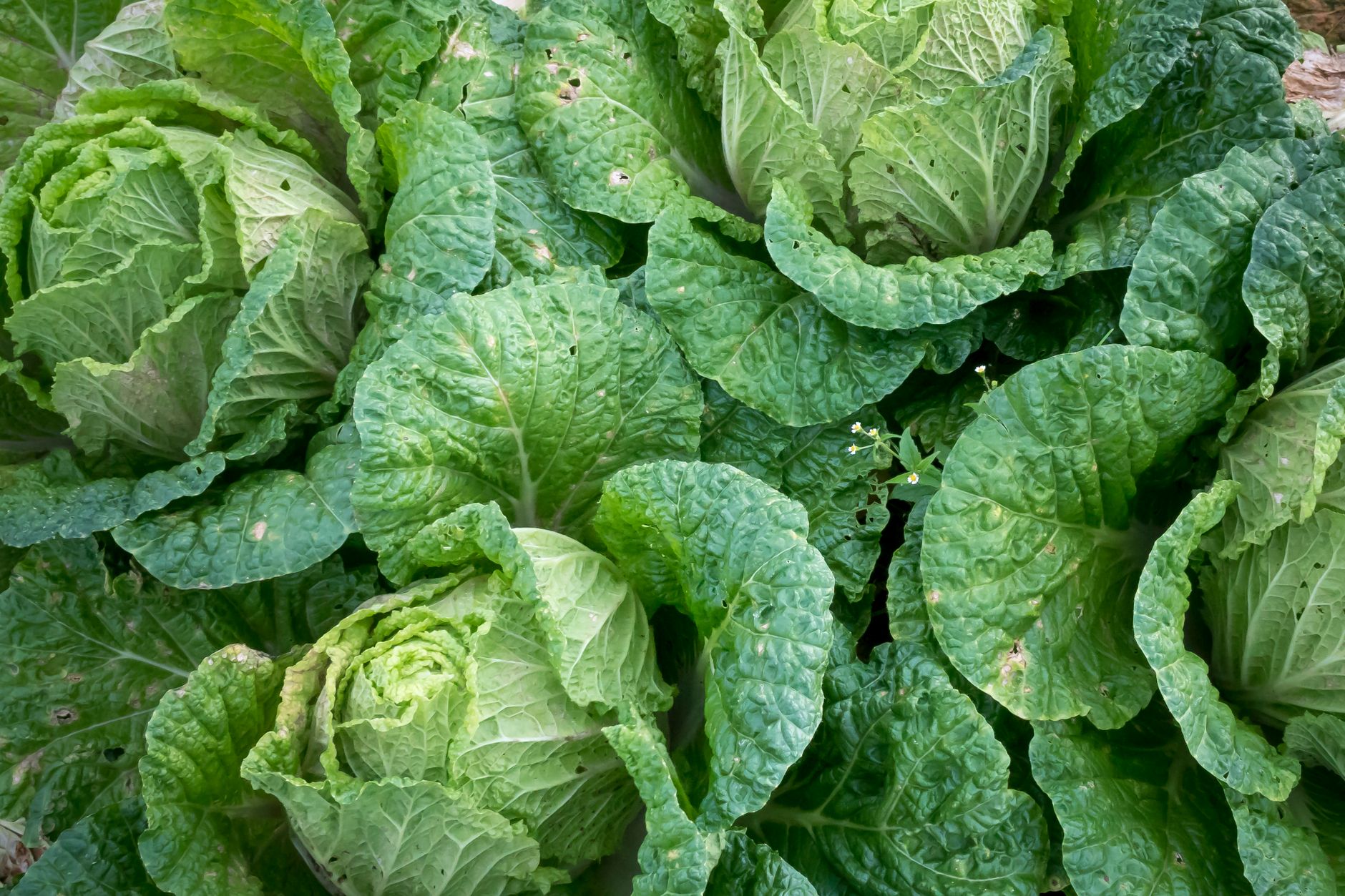 Photo by Quang Nguyen Vinh
Adding cabbage to your compost bin might seem simple, but getting it right ensures you avoid smells, pests, or slow breakdown. “Can you compost cabbage?”
Absolutely—and both raw and cooked cabbage can become nutrient-rich compost when handled well.
Read on for the essential facts about composting cabbage, plus practical steps to keep your pile healthy and fresh.
Raw vs. Cooked Cabbage
You can compost raw and cooked cabbage, but they’re not quite the same in how they break down.
- Raw cabbage: The leaves are packed with moisture and break down quickly, making them a great “green” (nitrogen-rich) addition. Raw cabbage is perfect for any compost system, including compost tumblers and traditional piles.
- Cooked cabbage: You can compost cooked cabbage if it hasn’t been prepared with oils, butter, meat, or dairy. These extras can create bad odours and attract pests, which you want to avoid. If your cooked cabbage is plain or steamed, toss it right in. But skip the sauerkraut and pickled varieties due to their high salt and vinegar content, which can harm compost microbes.
For more about safe composting and which foods to avoid, check out this helpful guide on composting cabbage, including tips about cooked and pickled varieties.
Quick tip: Always check for hidden fats or seasonings before adding cooked cabbage to your compost.
Potential Problems: Smells and Pests
Cabbage is lush and full of water, so it can get slimy if you pile on too much at once. This sliminess leads to strong smells—think rotten eggs—that nobody wants wafting from their compost heap.
Plus, moist cabbage scraps can attract pests like slugs, rodents, or flies, especially if the compost isn’t turned often.
Here’s how to stop smells and pests before they start:
- Add more browns: Mix cabbage with plenty of brown, dry materials such as shredded cardboard or dead leaves.
- Turn often: Aerate the pile with a pitchfork or compost aerator to keep it oxygen-rich and prevent slime.
- Cover up: Always bury cabbage scraps under a few inches of browns or finished compost to mask odours.
- Compost hot: A well-managed, hot compost pile quickly breaks down cabbage and helps kill off pests. If you’re worried about smells in your neighbourhood, remember a healthy compost shouldn’t stink. Legal tips for handling smelly compost can be found here.
No one wants an invasion of slugs or a stinky garden. A few easy tweaks can make a world of difference.
Chopping, Layering, and Mixing
Prepping cabbage for compost is quick and makes a big impact.
- Chop it small: The smaller the pieces, the faster they break down. Tear or cut cabbage leaves before tossing them into your bin or compost tumbler.
- Layer with browns: Every time you add cabbage (green materials), add twice as much brown material. This keeps your compost balanced and airy.
- Mix it in: Don’t just dump cabbage on top. Stir it into the pile for even decomposition.
- Watch for moisture: If things get soggy, toss in more paper or dry leaves to absorb the excess.
Here’s a fast prep checklist:
- Remove any plastic or ties from cabbage scraps.
- Chop large pieces into 1–2 inch squares.
- Add scraps, then cover with browns and mix well.
Ready to try new compost styles or need more help getting started?
You might enjoy the 6 Effective Composting Methods guide from Compost Charm—it’s an easy next step for anyone looking to master composting at home.
Key takeaways:
- Both raw and plain cooked cabbage can go in your compost, but avoid adding oils, butter, or heavily seasoned leftovers.
- Chop cabbage scraps and always mix them with browns to steer clear of odours and pests.
- Proper layering and turning transform cabbage—from slimy leftovers into rich, sweet-smelling compost.
For questions on composting techniques or troubleshooting, check out the Ask A Question tool at Compost Charm. It’s always better to ask than guess!
Methods for Composting Cabbage at Home
Once you know the answer to “can you compost cabbage?” is a big yes, the next step is figuring out which method works best in your home setup.
There’s more than one right way to turn cabbage scraps into garden goodness—whether you’re working with a backyard heap, a speedy compost tumbler, or a worm bin on your porch.
Below, you’ll find practical methods for composting cabbage that put you on the path to quick, trouble-free results.
Traditional Compost Heap
Adding cabbage to a classic compost heap is as easy as chopping and tossing, but there’s a bit of science behind getting great-smelling, nutrient-rich compost.
Cabbage brings moisture and nitrogen (it’s a “green”), which feeds microbes and speeds up breakdown. To keep things fresh and prevent sliminess or smells:
- Balance greens and browns: For every bowl of cabbage, mix in twice the volume of dry browns like shredded cardboard or dried leaves.
- Chop before tossing: The smaller your cabbage pieces, the faster they break down.
- Turn regularly: Fluffing the pile with a fork or aerator every week adds oxygen, which keeps smells at bay and helps compost heat up.
- Watch moisture: Cabbage can get soggy, so keep your pile damp but not wet—think of a wrung-out sponge. If things look too juicy, add more browns.
For more on how layering helps keep compost healthy and balanced, explore the Compost Layering Method for step-by-step layering tips.

Compost Tumblers: Fast and Easy
 Photo by Victoria Emerson
Using a compost tumbler takes much of the mess and guesswork out of home composting. The main advantage?
You can spin the bin, which quickly mixes cabbage with other materials and adds air for fast results.
Top tips for composting cabbage in a tumbler:
- Cut cabbage small: This speeds up decomposition and prevents big clumps.
- Alternate layers: Add cabbage scraps followed by a handful of browns, such as dry leaves or shredded paper.
- Spin often: Turn your tumbler every 2–3 days. Regular mixing is key for oxygen flow and a rapid breakdown.
- Monitor for excess moisture: If you notice condensation building up inside, add some extra browns and give the tumbler a few good spins.
Using a tumbler is perfect for small spaces or for anyone who wants quick, odour-free compost.
If you’re looking to boost your batch, don’t miss this helpful guide to compost tumblers packed with tips for all skill levels.
Vermicomposting: Worm-Powered Decomposition
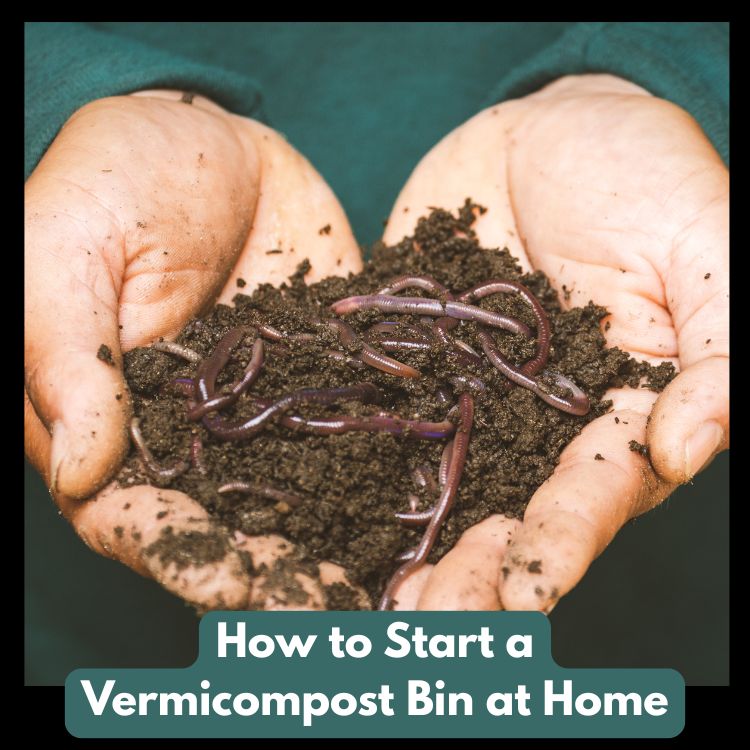
Curious about letting worms do the hard work? Cabbage is a welcome treat for compost worms, especially when cut into smaller pieces.
Vermicomposting is great for flats, balconies, and kitchens—and makes nutrient-rich worm castings.
Here’s how to compost cabbage with worms:
- Small pieces only: Worms have tiny mouths. Chopped or shredded cabbage becomes easier food.
- Mix with bedding: Blend cabbage scraps in with paper bedding, coconut coir, or dry leaves.
- Start slow: Too much cabbage at once can cause smells or make the bin soggy. Add a handful at a time and watch how quickly it disappears.
- Keep it plain: Only compost raw or plain cooked cabbage. Avoid cabbage with oils or spicy seasonings.
Interested in setting up your own worm bin? The Making Compost in Small Gardens guide walks you through everything you need to know about starting vermicomposting at home.
Key Takeaways:
- Cabbage scraps fit perfectly into traditional heaps, compost tumblers, and worm bins.
- Always chop cabbage small for quick, even breakdown.
- Mix cabbage with dry browns to avoid odours and excess moisture.
For more on balancing compost or troubleshooting, visit the EPA’s Composting At Home page for simple, science-backed tips.
Key Takeaways and Sustainable Composting Tips
Composting cabbage is smart and simple, but a few easy tips will help you avoid common mishaps and keep your bin (or compost tumbler) healthy.
Whether you’re tossing cabbage leaves into a garden pile, a tumbler, or letting worms handle things with vermicomposting, a little troubleshooting goes a long way.
Seasonal tweaks also make a huge difference—cabbage composting changes with the weather, and knowing what to expect lets you keep decomposing on track all year.
Troubleshooting Common Problems:
Address typical composting hiccups (like soggy or smelly piles) and provide quick solutions.
Sometimes, even the best compost heaps hit a snag. Does your pile smell like rotten eggs, or feel more like soup than soil?
You’re not alone! Here’s how to tackle the usual suspects:
- Soggy or slimy piles: Too much moisture or cabbage can make your compost a bit swampy. To fix this, add dry browns—think cardboard, newspaper, or dead leaves—until the pile feels like a wrung-out sponge. Turn regularly with a fork to mix things up.
- Smelly compost (bad odours): If your compost stinks, it’s probably short on air or loaded with too many greens. Fluff it up with a pitchfork and add more browns. Smells often fade once things balance out.
- Slow breakdown: Compost stuck in “pause mode”? This is usually because things are too dry or big chunks haven’t broken down. Chop cabbage smaller and sprinkle with water if dry. Give the whole pile a regular turn so air can reach every bit.
- Unwanted pests: Rodents or insects move in when scraps are left exposed. Always bury fresh cabbage and kitchen scraps under a generous layer of browns. If you’re using a compost tumbler, make sure it stays sealed between spins.
For more in-depth problem solving, visit this trusted resource on compost troubleshooting tips.
You’ll find answers to almost any composting question there.
Quick fixes for compost issues:
- Add browns liberally to tame smells and soak up moisture.
- Chop all scraps before adding, especially cabbage.
- Turn the pile every week, or spin your tumbler every few days.
- Cover food scraps to keep critters and flies away.
Consistency is key: Tackling small problems quickly means more sweet-smelling, crumbly compost for your garden.
Seasonal Advice for Cabbage Composting:
Offer brief and actionable season-based composting advice and encourage readers to check out the Composting Calendar Tips on Compost Charm.
Composting cabbage changes with the seasons, just like your garden. Some months move faster, while cold snaps can press pause on decomposition.
Stay in sync with the weather using these no-fuss tips.
- Spring: As temperatures rise, compost piles wake up. Collect fresh cabbage leaves from garden prep or kitchen scraps, and start turning your pile more often. Check moisture—spring rain can soak piles, so use extra browns to balance things.
- Summer: Heat speeds things up, and composting really takes off. Keep your pile damp but not soggy. Water during dry spells and mix in cabbage with other soft greens for a nutrient boost. If you use a compost tumbler, spin it often for top results.
- Autumn: Falling leaves mean plenty of browns. Layer chopped cabbage with these leaves—nature’s way of balancing the mix. Piles stay warm as long as you feed them regularly.
- Winter: Cold slows composting but doesn’t stop it. Keep adding smaller amounts of cabbage, and insulate your pile or tumbler with straw or more leaves to hold warmth. Don’t worry if things pause—they’ll pick back up in spring.
 Photo by Sippakorn Yamkasikorn
Want more year-round compost ideas? Check out the easy-to-follow Composting Calendar Tips on Compost Charm.
You’ll find month-by-month advice and seasonal tricks to keep your compost, cabbage scraps included, working all year.
Remember: No matter the season, you can always compost cabbage.
Adjust how you compost as the weather changes for a reliable, trouble-free bin.
Key Takeaways:
- Troubleshoot soggy, smelly, or slow compost with more browns and regular turning.
- Composting cabbage works in every season; tweak your routine as temperatures shift.
- Learn more by visiting Composting Calendar Tips for step-by-step seasonal guidance.
- Small weekly efforts are all it takes—no matter the season, your cabbage scraps can always help enrich your soil.
Conclusion
Can you compost cabbage? Absolutely—cabbage is a reliable choice for composting, whether you use a traditional pile, a compost tumbler, or even vermicomposting with worms.
With the right balance of greens and browns, chopped cabbage scraps break down fast and help feed your soil, not your trash bin.
Drop your cabbage into the compost, keep things mixed, and enjoy less waste and healthier plants.
Composting is an easy way to turn everyday scraps into something great for your garden. Start with small changes, and before long, composting cabbage will feel second nature.
For custom troubleshooting and quick answers, try the handy Ask A Question tool at Compost Charm—help is always waiting whenever you need a boost.
Thank you for caring about greener choices. What cabbage will you compost next? Your bin—and the planet—will thank you for it!
Key Takeaways
- Cabbage can be composted in heaps, compost tumblers, and worm bins.
- Both raw and plain cooked cabbage are safe to add; avoid oils, dairy, or seasoned leftovers.
- Chop scraps, cover with plenty of browns, and turn or spin often for best results.
- Cabbage composting works in any season—adjust your routine to match the weather.
- Quick help is always available with the Compost Charm Ask A Question bot.
- Explore even more recycling tips with the Don’t Toss It Composting guide.
FAQ: Can You Compost Cabbage?
Can you compost cabbage?
Yes, cabbage is a great fit for almost any composting system. It provides needed nutrients and breaks down quickly if balanced with dry browns.
Is red cabbage also safe to compost?
Red cabbage can be composted just like green. Chop leaves and bury them under browns for even results.
How long does cabbage take to decompose in compost?
Chopped cabbage breaks down in about 3–6 months, depending on bin warmth, moisture, and mixing. Smaller pieces decompose faster.
Can you compost cooked cabbage?
Plain cooked cabbage (no oils, dairy, or heavy seasoning) is safe to compost. Always skip leftovers with added fats or sauces to avoid attracting pests.
Still have a cabbage composting question?
Get instant, tailored advice with the Ask A Question tool for all your compost, compost tumbler, or vermicomposting needs.
Ready to try more compost-friendly habits? See which scraps you can recycle next with the helpful Don’t Toss It Composting guide, and keep your composting journey strong!