Can You Compost Apples? A Fun Guide to Turning Apple Scraps into Garden Gold
Hey there, compost enthusiasts! If you’ve ever munched on a crisp apple and wondered, “Can you compost apples?”—you’re in the right place.
I’m here to spill the beans (or rather, the apple cores) on how those apple scraps can become a superstar in your compost pile.
Composting apples is not only easy but also a fantastic way to give back to your garden while cutting down on waste.
Let’s dive into why apples are compost MVPs, how to do it right, and some handy tips to make your composting journey a breeze.
Why Apples Are Awesome for Composting
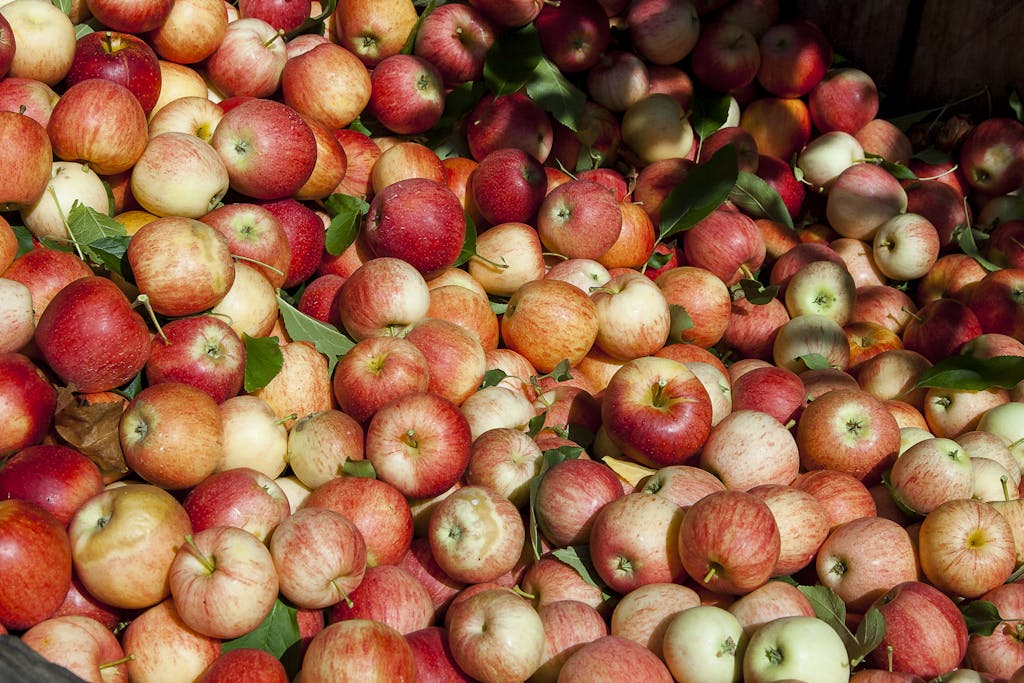
Picture this: you’re biting into a juicy apple, and you’re left with the core. Instead of tossing it in the trash, you can give it a new life in your compost bin.
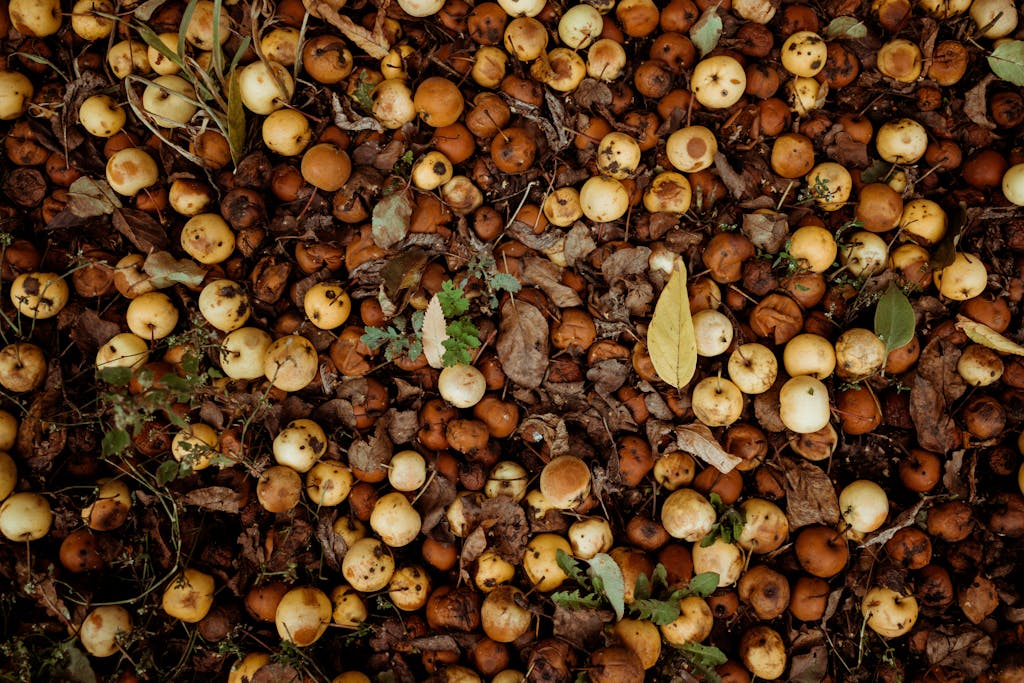
Apples—whether they’re peels, cores, or even those slightly brown ones you forgot about—are organic gold.
They’re full of stuff that makes plants happy, like:
- Nitrogen: Apples are considered “green” materials in composting lingo. This means they’re rich in nitrogen, which helps microbes (tiny helpers in your compost) break everything down.
- Moisture: Apples are super juicy, and that water content keeps your compost pile nice and damp, which is perfect for decomposition.
- Sugars: The natural sugars in apples are like a party invitation for microbes. They get to work fast, speeding up the composting process.
- Nutrients: Apples add potassium and phosphorus to your compost, which helps plants grow strong roots and bright flowers.
When I first started composting, I was amazed at how quickly apple scraps disappeared into rich, dark compost.
It’s like magic, but it’s really just nature doing its thing!
Can You Compost Apples? The Science Made Simple
If you’re wondering, “Can you compost apples?”—the answer is a big, enthusiastic yes!
Let’s break it down in a way that even a kid could get. Composting is like making a smoothie for your garden.
You mix together stuff like apple scraps (the “green” ingredients) with things like dry leaves or cardboard (the “brown” ingredients).
Tiny creatures called microbes—think of them as invisible chefs—eat this mix and turn it into compost, which is like superfood for plants.
Apples are perfect for this because they’re soft and break down fast.
The sugars in them give microbes an energy boost, kind of like a sugary snack for humans. Plus, apples add water to the pile, which keeps everything cooking along nicely.
The only catch? You’ve got to balance those juicy apples with enough dry stuff, like shredded paper or straw, so your pile doesn’t get too soggy.
How to Compost Apples the Right Way
Ready to start composting those apples? Here’s how I do it, with some tips to make it super easy:
- Collect Your Apple Scraps: Save peels, cores, or even whole apples that are too mushy to eat. Got a kid who only eats half an apple? That’s compost material!
- Chop ‘Em Up: If you’ve got big apple pieces or whole apples, give them a quick chop with a knife or break them up by hand. Smaller bits break down faster—think bite-sized for microbes.
- Add to Your Compost Bin: Toss your apple scraps into your compost pile or bin. I love using the FCMP Outdoor IM4000 Dual Chamber Tumbling Composter because it makes mixing so easy. The dual chambers let you keep one side cooking while adding new scraps to the other.
- Bury Them Deep: To avoid unwanted guests like fruit flies or curious critters, bury your apple scraps in the middle of the pile or cover them with browns like leaves or grass clippings.
- Balance the Mix: Apples are wet and nitrogen-rich, so pair them with dry stuff like cardboard, newspaper, or twigs. Aim for a mix that’s about 2 parts browns to 1 part greens.
- Turn Your Pile: Give your compost a stir every week or so to let air in. Oxygen helps those microbes work their magic. If you’re using a tumbler like the FCMP IM4000, just give it a spin—check out my guide on how to use it here for more tips.
- Wait for the Magic: In a few weeks to months, depending on your setup, those apple scraps will turn into dark, crumbly compost that smells like fresh earth.
Things to Watch Out For
Composting apples is pretty straightforward, but here are a few things I’ve learned to keep in mind:
- Pests: Apples are sweet, and pests like rodents or flies might want a nibble. Burying scraps deep in the pile or using a sealed compost bin like the Back Porch ComposTumbler helps keep them away.
- No Wax or Pesticides: If your apples are store-bought and super shiny, they might have wax or chemicals on them. Try to use organic apples or give them a good scrub before composting to keep your pile healthy.
- Don’t Overdo It: Too many apples without enough browns can make your pile slimy and smelly. If it starts looking like a swamp, add more dry stuff like shredded paper.
Benefits of Composting Apples
So, why bother composting apples? Here’s why I love it:
- Reduces Waste: Instead of sending apple scraps to the landfill, you’re turning them into something useful. Did you know food waste in landfills creates methane, a gas that’s bad for the planet? Composting helps fight that!
- Saves Money: Compost is like free fertilizer for your garden. No need to buy fancy plant food when you’ve got apple-powered compost.
- Boosts Your Garden: The nutrients from apples make your plants grow stronger and happier, whether you’re growing flowers, veggies, or herbs.
- Feels Good: There’s something super satisfying about turning “trash” into treasure. Every apple core you compost is a little high-five to the environment.

Product Recommendations
If you’re serious about composting apples (and I hope you are!), here are a couple of tools that make it easier:
- FCMP Outdoor IM4000 Dual Chamber Tumbling Composter: This is my go-to for fast, fuss-free composting. The tumbling design means you don’t have to shovel your pile, and it’s great for keeping pests out. Plus, it’s big enough for all your apple scraps and more.
- Back Porch ComposTumbler: If you want something compact for a small yard or balcony, this one’s awesome. It’s easy to turn and keeps your compost contained.
- Compost Thermometer: Want to geek out a bit? A thermometer like the REOTEMP Backyard Compost Thermometer lets you check if your pile’s hot enough (around 130-160°F is ideal) to break down those apples quickly.
- Kitchen Compost Caddy: A countertop bin like the Epica Stainless Steel Compost Bin is perfect for collecting apple peels and cores while you cook. It’s got a filter to keep smells in check.
Tips and Tricks for Composting Apples
Here are some extra hints I’ve picked up along the way:
- Freeze Scraps: If you’re not ready to add your apple scraps to the compost, pop them in a bag in the freezer. This stops them from getting moldy and makes them easier to break down later.
- Mix with Coffee Grounds: Got used coffee grounds? Toss them in with your apples. They’re another great nitrogen source and help balance the pile.
- Compost Apple Pomace: If you’re into juicing or making cider, the leftover apple pulp (called pomace) is perfect for composting. Just mix it with browns to avoid a soggy mess.
- Teach Kids: Composting apples is a fun way to get kids excited about science. Let them toss in scraps and watch the pile change—it’s like a nature experiment!
Who Is Composting Apples For?
Composting apples is for everyone! Whether you’re a busy parent with apple-loving kids, a gardener looking for free fertilizer, or just someone who wants to live a bit greener, this is for you. It’s perfect for:
- Families: Kids eat tons of apples, and composting their scraps is a great way to teach them about recycling nature’s way.
- Gardeners: If you grow veggies, flowers, or even houseplants, apple-powered compost gives your plants a nutrient boost.
- Eco-Warriors: Want to reduce your carbon footprint? Composting apples keeps food waste out of landfills and helps the planet.
- Beginners: Never composted before? Apples are an easy starting point because they break down fast and don’t need fancy prep.
And the best part? It’s so easy. You don’t need a big yard or tons of time. A small bin, some apple scraps, and a bit of dry stuff like leaves are all you need to get started.
If I can do it—and trust me, I’m no expert—anyone can!
10 FAQs About Composting Apples
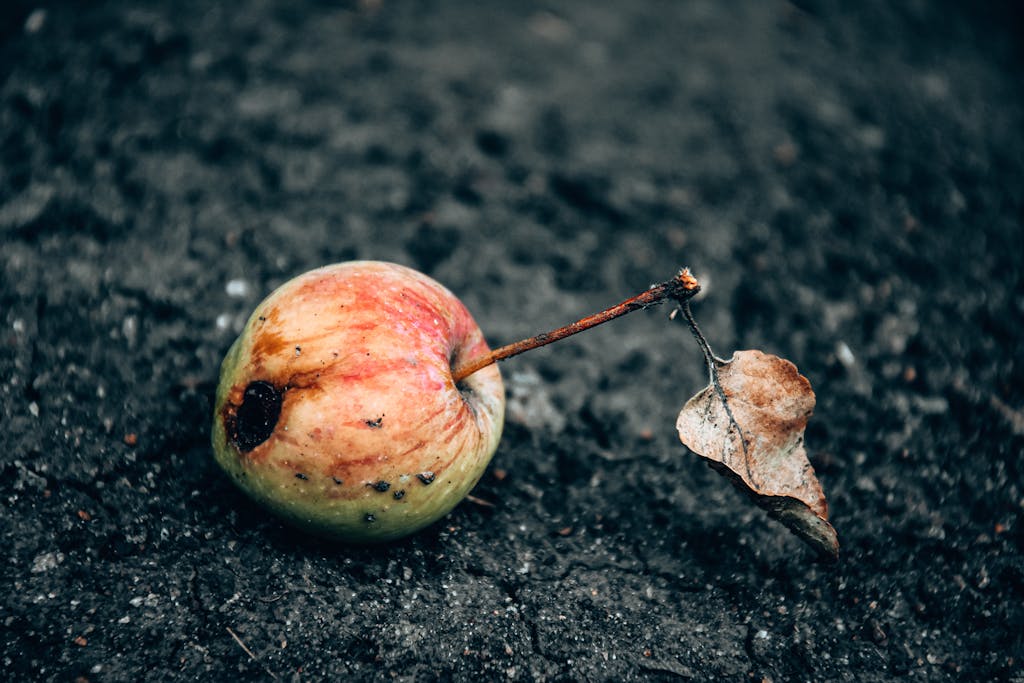
- Can you compost apples that are moldy?
Yep! Moldy apples are fine—they’re already starting to break down. Just bury them in the pile to avoid pests. - Can you compost apple seeds?
Totally. Apple seeds compost just fine, though they take longer to break down than the flesh. - Will composting apples attract rats?
They can if you leave them exposed. Bury scraps deep or use a sealed bin to keep critters away. - Can you compost apples with wax on them?
It’s best to avoid waxed apples, as the wax doesn’t break down well. Stick to organic or scrubbed apples. - How long do apples take to compost?
Chopped-up apples can break down in a few weeks in a hot pile, but it might take a couple of months in a cooler one. - Can you compost apples in a worm bin?
Yes, worms love apples! Just don’t add too many at once, or it might get too wet for them. - Do apples make compost smell bad?
Not if you balance them with browns and bury them. A healthy pile smells earthy, not stinky. - Can you compost apple cores from picnics?
Sure thing! Just collect them in a bag and add them to your bin when you get home. - Can you compost apples in winter?
Absolutely. Composting slows down in cold weather, but apples will still break down eventually. - Can you compost apples if you don’t have a garden?
Yep! Use a small bin like a Bokashi system or take your compost to a community garden.
Is Apple Good for Compost?
Apples are fantastic for composting! They’re organic, biodegradable, and packed with nutrients that help create rich, healthy compost.
When you toss apple scraps—like cores, peels, or even those slightly mushy ones past their prime—into your compost bin, they break down quickly, adding moisture and essential elements like nitrogen to the mix.
This makes them a great “green” material, balancing out drier “browns” like leaves or cardboard.
The natural sugars in apples attract helpful microbes that speed up decomposition, turning your pile into nutrient-dense compost faster.
Plus, apples contribute potassium and phosphorus, which plants love for strong roots and vibrant growth. Whether it’s a few apple slices or a whole bag gone bad, they’re a compost pile’s best friend.
Just a couple of things to keep in mind: chop larger apples into smaller pieces to help them break down faster, and bury them in the pile to avoid attracting pests like fruit flies or rodents.
Avoid adding apples coated in wax or pesticides, as these can harm your compost’s ecosystem. If you’re wondering, “Can you compost apples?”—the answer is a big yes, as long as you’re mindful of these simple tips.
By composting apples, you’re reducing food waste and giving your garden a natural boost, making it a win-win for you and the environment!
Wrapping It Up
So, can you compost apples? You bet you can! It’s one of the easiest, most rewarding ways to turn kitchen scraps into something amazing for your garden.
Whether you’re using a fancy tumbler like the FCMP IM4000 or just a pile in your backyard, apples are a compost game-changer.
They’re packed with nutrients, break down fast, and make your plants do a happy dance.
Plus, it’s a fun, feel-good way to reduce waste and give back to the earth.
Next time you’re munching on an apple, don’t toss that core—toss it into your compost bin instead. With a little care and a sprinkle of patience, you’ll be amazed at the rich, crumbly compost you can create.
Happy composting!