
Using Bokashi Tea in Your Garden: A Fun, Simple Way to Boost Your Plants
Hey there, garden lovers! If you’re anything like me, you’re always on the lookout for cool, easy ways to make your plants thrive. Well, let me tell you about something I’ve been obsessed with lately: using Bokashi tea in your garden.
It’s this awesome liquid that comes from composting food scraps in a special way, and it’s like a secret superpower for your soil and plants.
I’m no scientist, but I’ve learned enough to know it’s simple, fun, and totally worth trying—especially if you’re new to gardening or just want to level up your green game.
So, grab a cuppa (not Bokashi tea, though—it’s not for drinking!), and let’s dive into why using Bokashi tea in your garden is such a game-changer, how it works, and some tips to make it super easy.
Plus, I’ll recommend a product I love and answer some questions you might have. Let’s get growing!
What Even Is Bokashi Tea?
Okay, first things first: Bokashi tea isn’t some fancy herbal brew. It’s a liquid you get when you compost kitchen scraps using a method called Bokashi composting.
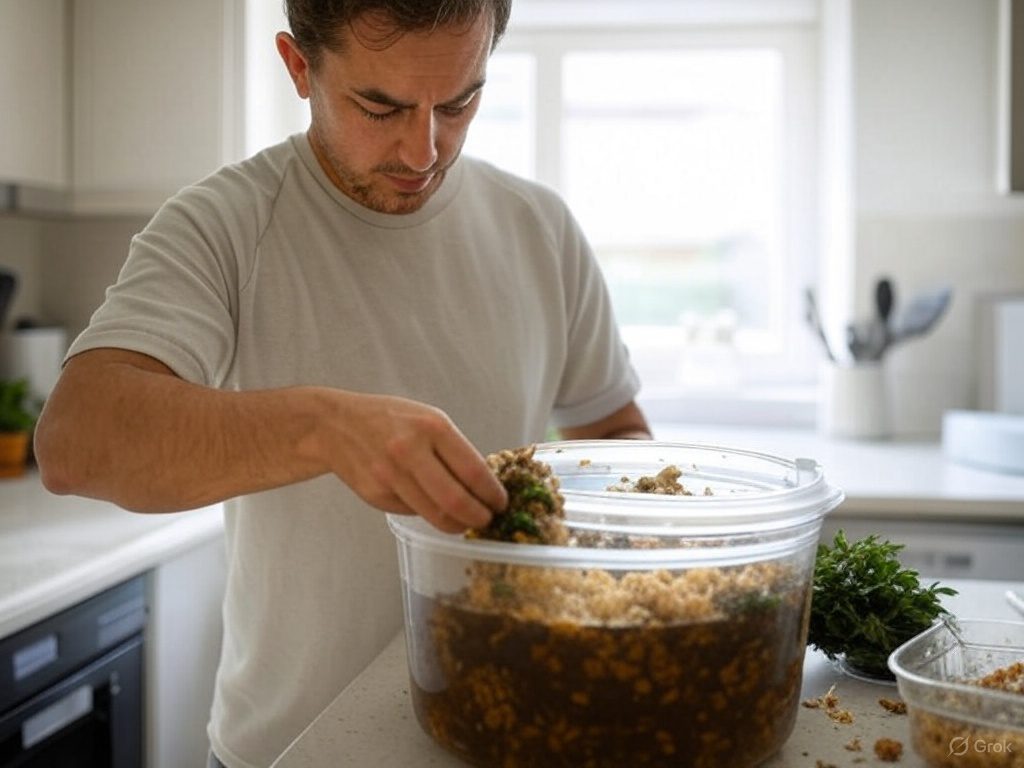
Picture this: you toss your food waste—like veggie peels, bread crusts, even meat scraps—into a special bucket, sprinkle some magic microbe-packed bran on top, and seal it up.
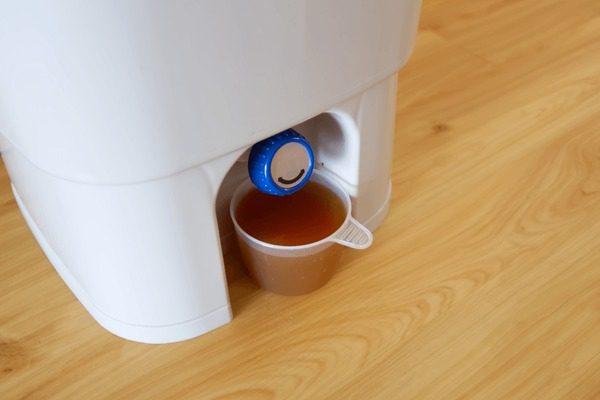
After a couple of weeks, the scraps start fermenting (kind of like pickling), and this juicy liquid collects at the bottom. That’s your Bokashi tea!
The cool science bit?
It’s full of tiny living things called microbes—think of them as little helpers that love breaking stuff down.
These microbes, along with nutrients like phosphorus and potassium, make Bokashi tea a natural booster for your garden.
It’s not a full-on fertilizer (it’s low on nitrogen, which plants need for energy), but it’s like a vitamin shot for your soil.
Why I Love Using Bokashi Tea in My Garden
I started using Bokashi tea in my garden about a year ago, and honestly, it’s been a total vibe. Here’s why I’m hooked:
- It’s Easy-Peasy: I live in a flat with a tiny balcony garden, so I don’t have space for a big compost heap. Bokashi composting fits right in my kitchen, and the tea is a bonus I can use straight away.
- Happy Plants: My herbs—basil, mint, you name it—look perkier since I started pouring diluted Bokashi tea on them. The microbes help the soil stay alive and healthy.
- No Smelly Mess: Unlike regular composting, which can stink up the place, Bokashi tea has a mild, sweetish smell—like pickles, not rubbish. It’s a win for my nose!
- Extra Uses: If I don’t need it for my plants, I pour it down the sink to keep my drains clean. How cool is that?
For me, using Bokashi tea in your garden is like giving your plants a little hug—it’s not complicated, and they love it.
How Does It Work? A Simple Science Lesson
Let’s break it down, young gardener style. When you put food scraps in a Bokashi bucket, the microbes in the bran get to work.
They don’t need air (unlike regular composting), so it’s called anaerobic fermentation. Imagine the microbes munching away in a sealed bucket, turning your leftovers into something useful.
The liquid that drips out is packed with those helpful microbes and some nutrients from the food—like a smoothie for your soil.
Here’s the catch: it’s super acidic, with a pH around 3-5 (pH is just a way to measure how acidic or alkaline something is—think of lemon juice versus water).
That’s why you can’t just dump it on your plants straight from the bucket. You’ve got to dilute it first, or it’s like giving your plants a sour candy overdose—they won’t be happy!
How to Start Using Bokashi Tea in Your Garden
Ready to give it a go? Here’s my step-by-step guide to using Bokashi tea in your garden, based on my own trial-and-error adventures:
- Get a Bokashi Bin: You’ll need a bucket with a tap at the bottom to collect the tea. I recommend the Bokashi Living Starter Kit—it’s got everything you need, including the bran, and it’s perfect for beginners. Check out my post on the best Bokashi compost bin for beginners for more details—it’s seriously a lifesaver!
- Fill It Up: Toss in your kitchen scraps—fruit peels, coffee grounds, even small bits of meat or cheese. Add a handful of Bokashi bran every time you add scraps, then press it down to keep air out.
- Wait a Bit: Let it sit for about two weeks. Every couple of days, open the tap and pour out the tea into a jug. Don’t leave it too long, or it might start to smell funky.
- Dilute It: Mix 1 tablespoon of Bokashi tea with 6 cups of water (that’s about a 1:100 ratio). If you’ve got acid-loving plants like blueberries, you can go a bit stronger, like 1:80.
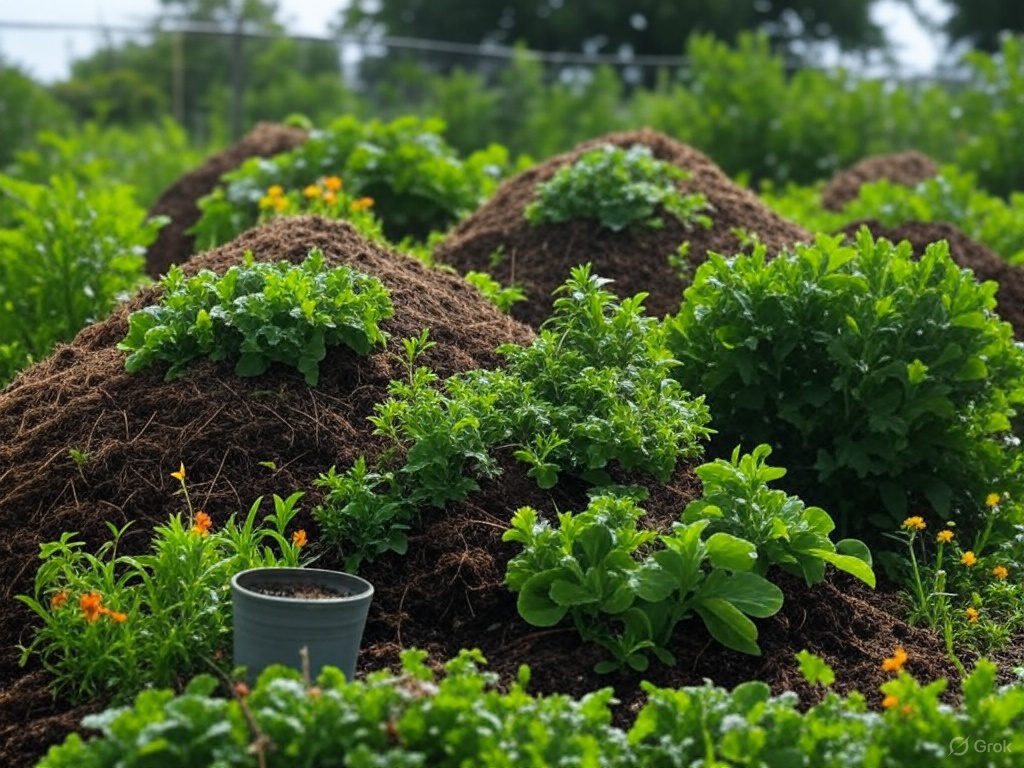
- Water Your Plants: Pour the mix onto the soil around your plants, not on the leaves—they’re too sensitive. Do this every week or two during growing season, and watch your garden glow!
Tip: If you’re not sure how much tea you’re getting, shake the bucket gently. You’ll hear it sloshing if it’s ready to drain.
My Top Tips for Using Bokashi Tea in Your Garden
Here are some handy hints I’ve picked up along the way:
- Use It Fresh: Bokashi tea is best when you use it within a day or two. The microbes are alive and kicking, so don’t let it sit around too long—it might lose its magic.
- Don’t Overdo It: I got a bit excited at first and used it too often. My tomatoes started looking overfed—lots of leaves, no fruit. Stick to once every 1-2 weeks.
- Save Some for Drains: If you’ve got extra, pour it down your sink or shower drain. It’s like a natural cleaner—my pipes have never been happier!
- Mix It Up: Since it’s low on nitrogen, pair it with something like worm castings or a balanced fertilizer for the full nutrient package.
- Store Smart: No room to use it right away? Pop it in the fridge for a few days, but don’t freeze it—the cold kills the microbes.
Product Recommendation: Bokashi Living Starter Kit
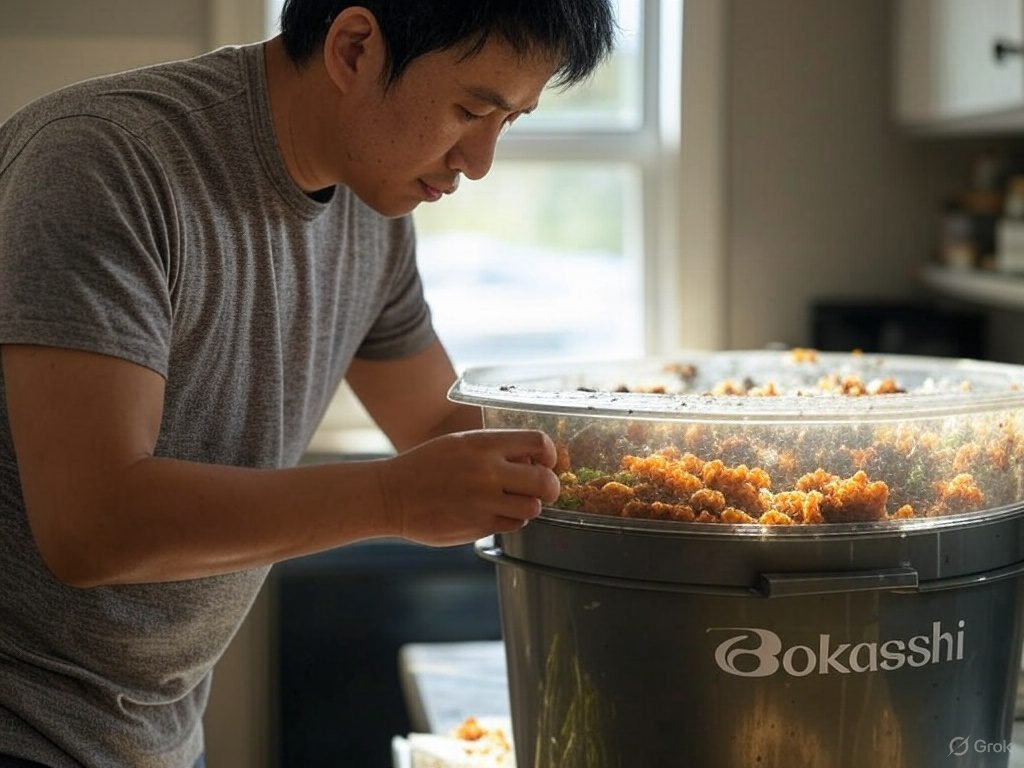
If you’re new to this (like I was), I can’t recommend the Bokashi Living Starter Kit enough. It’s got two 5-gallon buckets, a tight lid, a tap for draining the tea, and a bag of Bokashi bran to get you started.
It’s super sturdy, easy to use, and fits under my kitchen counter. I wrote about it in my article on the best Bokashi compost bin for beginners because it’s honestly the simplest way to jump into using Bokashi tea in your garden.
You can find it online for around £50-60, and trust me, it’s worth every penny for the hassle-free setup.

Who’s This For? And How Easy Is It?
Who’s it good for?
- City Dwellers: If you’ve got a small space like an apartment or balcony, this is perfect. No garden? No problem—use it on houseplants!
- Busy Bees: If you don’t have time to mess with a big compost pile, Bokashi tea is low-effort and quick.
- Eco Warriors: Love reducing waste? This uses all your food scraps—even the stuff regular compost hates.
- Kids and Teens: It’s a fun way to learn about science and gardening. My little cousin thinks the microbes are like tiny superheroes!
How easy is it?
Super easy! If you can toss scraps in a bucket and pour water, you’ve got this. The hardest part is remembering to drain the tea every few days, but even that’s no biggie.
It’s way less work than turning a compost heap or dealing with worms (though worms are cool too!).
10 FAQs About Using Bokashi Tea in Your Garden
- What does Bokashi tea smell like?
It’s got a sweet, pickly vibe—not bad at all! If it stinks like rotten eggs, something’s gone wrong—check your bucket’s seal. - Can I use it straight from the bucket?
Nope, it’s too acidic! Dilute it first, or you’ll burn your plants. - How often should I use Bokashi tea?
Once every 1-2 weeks is plenty during spring and summer. Less in winter when plants chill out. - What if I don’t get much tea?
Depends on your scraps—wet stuff like fruit makes more. Dry stuff like bread? Not so much. It’s all good either way! - Can I use it on my lawn?
Yep! Dilute it and spray it over your grass for a green boost. - Is it safe for pets?
Undiluted, keep it away—they won’t like the acidity. Diluted? No worries if they sneak a sip. - What plants love Bokashi tea?
Herbs, veggies, and acid-lovers like azaleas or blueberries. Just don’t overdo it on delicate stuff. - Can I store it long-term?
Not really—use it fresh or keep it in the fridge for a few days max. - Does it replace fertilizer?
Not fully—it’s low on nitrogen. Think of it as a soil buddy, not the main meal. - What if my bucket leaks?
Double-check the tap and lid. The Bokashi Living Starter Kit is leak-proof, so I’d grab that if you’re worried!
Wrapping It Up
So, there you have it—my take on using Bokashi tea in your garden. It’s a fun, low-effort way to give your plants a boost, cut down on waste, and even clean your drains.
Whether you’re a teen growing herbs on a windowsill or a busy parent with a veggie patch, it’s a no-brainer to try.
With a solid setup like the Bokashi Living Starter Kit, you’ll be sipping the rewards (well, your plants will!) in no time.
Give it a whirl, experiment a bit, and let me know how it goes. Happy gardening, folks—your plants are gonna love you for this!