
Learn Bokashi composting for meat and dairy waste, cut smells, and turn tricky kitchen scraps into safe, rich soil food fast at home.
Bokashi composting is a smart way to deal with kitchen scraps that regular compost piles can’t handle.
It turns meat, bones, and dairy into a nutrient-rich pre-compost and a liquid called bokashi tea.
You can use these outputs to improve your garden beds, container plants, and soil.
Regular composting often skips animal products because they attract pests, smell bad, break down slowly, and might carry pathogens.
But, a sealed bokashi system keeps smells in and speeds up safe processing. This makes bokashi a great choice for recycling food waste and composting in small spaces like apartments and homes.
This article offers a straightforward, practical look. You’ll learn why bokashi is a smart, easy-to-use composting solution.
It shows how it can expand your options for composting food scraps at home.
The advice is friendly and trustworthy, designed to help you decide if bokashi is right for your household.
Key Takeaways
- Bokashi handles meat, dairy, and bones safely through anaerobic fermentation.
- It produces pre-compost and bokashi tea, useful for gardens and containers.
- Sealed bins reduce odor and pests compared with open compost piles.
- Bokashi is well-suited to apartment and indoor kitchen waste composting.
- Using bokashi complements other food waste recycling and sustainable composting solutions.
What is bokashi composting, and why does it matter for kitchen waste recycling?
Bokashi is a Japanese term that means “fermented organic matter.” It was developed by Dr. Teruo Higa and his team in Okinawa in the late 20th century.
They created a method that uses microbes to ferment food scraps instead of heat.
Definition and origins of bokashi
The system uses a special bran with lactic acid bacteria, yeasts, and photosynthetic bacteria.
You add small food scraps, press out air, and seal the container. The microbes start an anaerobic fermentation that preserves nutrients and reduces odors while transforming waste into a stable pre-compost.
How anaerobic fermentation differs from aerobic composting
Aerobic composting needs oxygen, pile turning, and heat to break down material. Anaerobic fermentation works without oxygen.
It “pickles” scraps in a low-oxygen environment, producing little heat and less gaseous ammonia than traditional piles.
Why bokashi is suited to indoor and apartment composting
Bokashi bins are compact and airtight, fitting on a counter or in a closet. They handle items like meat, dairy, cooked food, and oily scraps.
This makes bokashi composting for meat and dairy waste a practical choice for apartment dwellers who want reliable kitchen waste recycling year-round.
| Feature | Anaerobic fermentation (Bokashi) | Aerobic composting |
|---|---|---|
| Oxygen requirement | No; sealed environment supports fermentation | Yes; turning and aeration are needed |
| Suitable scraps | Vegetable peels, meat, dairy, cooked food, oils | Mostly plant-based, limited meat and dairy |
| Odor and pests | Low odor when sealed; fewer pests | Higher odor risk; attracts flies and rodents |
| Space needs | Small bins for indoor use | Requires outdoor space for piles or tumblers |
| End product | Pickled pre-compost and liquid; needs burying or mixing | Stable finished compost is ready for direct use |
| Pathogen control | Reduced by acids in fermentation; follow safe handling | Relies on sustained heat; variable in small piles |
How bokashi composting for meat and dairy waste works
Bokashi turns kitchen scraps into a stable, pickled pre-compost through controlled anaerobic decomposition.
You build layers of food waste and inoculated bran inside an airtight bin. The system traps beneficial activity while keeping pests and foul smells at bay.
The role of effective microorganisms (EM) and bokashi bran
Bokashi bran is a carrier, like wheat bran or rice hulls, treated with effective microbes for composting.
These microbes include lactic acid bacteria, yeasts, and phototrophic bacteria mixed with a molasses feed.
They ferment scraps, slow putrefaction, and lower pathogen risk in meats and dairy.
When you sprinkle bokashi bran on each layer, the beneficial microbes colonize the food particles.
This creates an acidic, low-oxygen environment that favors fermentation over rot.
That shift is what makes safe food scrap recycling from meat and dairy practical indoors.
Layering, sealing, and the importance of an airtight bucket
Add scraps in thin layers and dust each layer with bokashi bran. Press down firmly to remove trapped air.
Keep the lid sealed after every addition to preserve anaerobic conditions.
An airtight bucket with a liquid drain simplifies care. Liquids, often called bokashi tea, need removal every few days.
Draining prevents excess moisture and keeps anaerobic decomposition on track. A sealed bin also reduces odors and discourages flies and rodents.
Fermentation timeline: from daily additions to two-week pickling
Feed the bin daily or every couple of days. A general guideline is about one tablespoon of bran per inch of added scrap, increasing slightly for dense meat or bone pieces.
When the bin is full, close it and let it sit in a warm spot for roughly 10–14 days. During this pickling period, the contents soften and take on a mild, sour smell similar to pickles.
That scent signals successful anaerobic decomposition and stable pre-compost.
Drainable liquid can be collected and diluted for plant use. After fermentation, bury the pre-compost in soil or add it to a traditional compost pile to finish breaking down.
This approach keeps kitchen waste composting efficient and accessible for urban households focused on food scrap recycling.
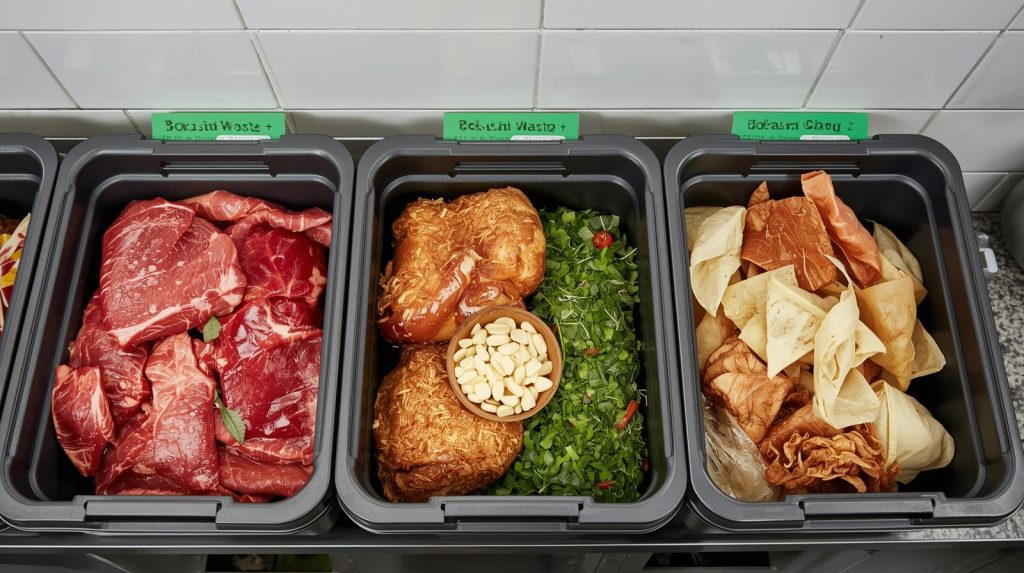
Benefits of using bokashi for meat, bones, and dairy in sustainable composting solutions
Bokashi turns kitchen scraps into useful resources. It’s a small, sealed process that fits any home.
This method supports eco-friendly waste disposal and reduces food waste.
Bokashi bins stay closed, reducing odors and keeping animals away. They “pickle” scraps instead of letting them rot.
This leads to better pest control and odor reduction than open compost piles.
The fermentation process creates acids and uses beneficial microorganisms. These acids and microbes lower harmful microbes.
After fermenting, you can bury the pre-compost or add it to a hot heap to finish breaking down.
Bins take up little room and work all year indoors. Urban households can recycle cooked food, dairy, and small bones without an outdoor pile.
This boosts sustainable composting solutions for people with limited space and helps reduce food waste daily.
Pest management and smell
Sealed systems cut access for rats, raccoons, and flies. The absence of putrefaction means fewer foul smells.
Users report fewer complaints from neighbors and less need for pest deterrents.
Microbial action and safety
Acidic fermentation and beneficial microbes inhibit many pathogens. This creates safer pre-compost to handle and bury.
Final mixing into soil or a heated compost pile gives an added layer of safety.
Urban fit and year-round use
Compact bins fit under counters or in closets. You can maintain steady recycling through winter and rainy seasons.
That steady use supports long-term eco-friendly waste disposal and makes reducing food waste part of daily life.
Step-by-step setup for successful kitchen waste composting with bokashi
Begin with a simple plan and the right tools. A well-set-up system keeps odors away, speeds up fermentation, and fits your kitchen.
Follow these steps for a reliable bokashi composting system for meat and dairy waste, perfect for indoor and small spaces.
Choosing or building the right bin
Look for a tight-sealing bucket or a commercial bokashi kit. It should have an inner bucket and a spigot.
A bokashi bin with a liquid drain makes it easy to remove bokashi tea every few days. If you’re building your own, use food-safe plastic and a secure lid for airtightness.
Preparing food scraps
Chop large pieces into 1–2 inch bits to speed up fermentation. Add them in thin layers, not all at once.
Sprinkle bokashi bran over each layer to seed it with microbes.
Layering and packing
Press each layer firmly to remove air. Use a flat weight or plate to keep it compact.
This helps create the anaerobic conditions needed for bokashi composting.
Proper use of bokashi bran
Use about one tablespoon of bran per inch of waste as a guide. Be more generous with meat, bones, or fatty scraps.
Even distribution ensures microbes reach all parts of the pile.
Moisture management and temperature
Keep the contents moist but not too wet. Drain excess bokashi tea to avoid soggy conditions.
Aim for temperatures near 60°F–80°F for steady microbial activity.
Routine and maintenance
Empty liquids every few days and add new layers as needed. Use two bins for continuous processing. Good moisture management and care will turn kitchen waste into safe pre-compost for your garden.
Troubleshooting common issues in anaerobic decomposition and fermentation
Working with bokashi is mostly simple, but you may hit snags. This short guide helps you spot common anaerobic fermentation problems and gives clear fixes you can try at home.
Detecting and fixing foul odors, blue/green mold, or stalled activity
A healthy bin should smell mildly sour, like pickles. Strong rotten smells or visible blue/green mold signal failed fermentation.
These foul odors in the bokashi bin often come from air leaks, too little bokashi bran, or an unbalanced load heavy on meat or dairy.
Start by checking the seal and lid. Press down to remove trapped air and add a fresh layer of bran to boost microbes.
Keep the bucket closed between additions and avoid overfilling with one type of food. If maggots appear, remove the affected portion, dry it with bran or shredded paper, then reseal the bin.
Managing moisture: what to do if contents are too wet or too dry
Too much liquid leads to sour, putrid smells. Drain bokashi tea regularly from the spigot.
Mix in dry bokashi bran, shredded cardboard, or newspaper to absorb excess moisture and restore balance.
If the mix feels hard and dry, fermentation will stall. Add a little water or include wetter scraps like fruit peels.
Sprinkle more bran after moistening to reintroduce active microbes. Aim for a damp sponge feel—not soggy, not crunchy.
Temperature range and keeping microbes active
Microbial activity is best between 60°F and 80°F. Colder conditions slow fermentation; extremes above 90°F can stress the culture.
Place your bucket in a stable indoor spot away from direct heaters or freezing windows.
If activity stalls, warm the bin slightly by moving it to a warmer room. Add fresh bran and press out air to jump-start the process.
Regular, even temperatures reduce most anaerobic fermentation problems and keep your bokashi system reliable.
- Quick checklist: seal, press, bran, balance food types.
- Too wet? Drain and add dry absorbents.
- Too dry? Add moisture and moist scraps.
- Cold or hot? Relocate to a steady 60–80°F area.
How to use bokashi outputs: bokashi tea and pre-compost in organic waste management
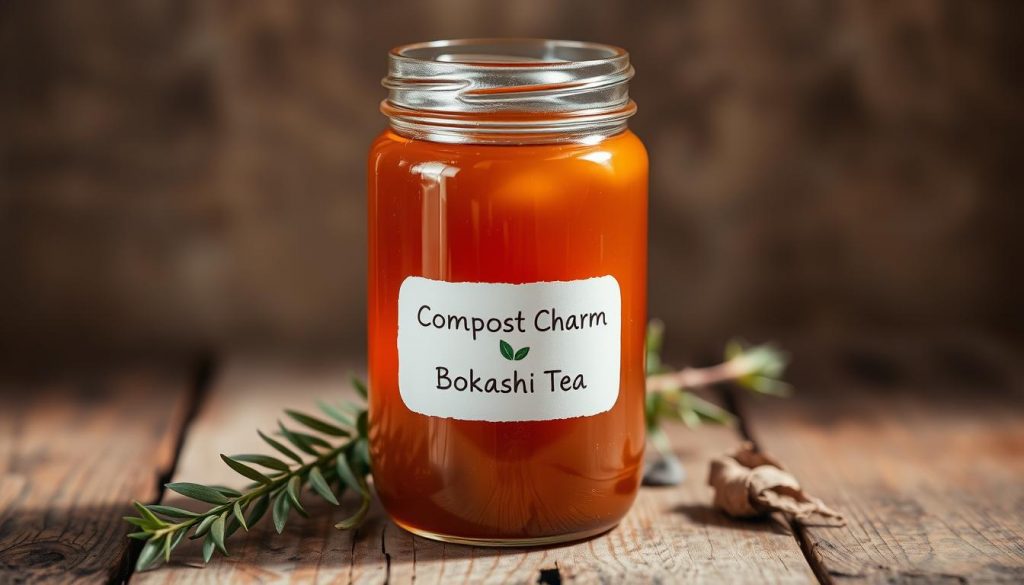
After fermentation, you get two valuable things: liquid and solids. Use the liquid as a concentrated feed and the solids as a soil builder.
This helps close the loop in your waste management.
Collecting and diluting bokashi tea for safe plant feeding
Drain the liquid into a clean container often. It’s acidic and strong. For most plants, dilute it 1:100, or about 1 tablespoon per 6 1/4 cups of water. Acid-loving plants might need a stronger mix, about 1:80.
Never use undiluted bokashi tea on roots or in potting mixes. It can harm plants.
Burying pre-compost in garden trenches or mixing it into a traditional compost heap
After 10–14 days, the solids are ready to bury. Dig a trench at least 8 inches deep to keep animals out. Cover it with soil and wait two weeks for microbes to finish the job.
You can also add pre-compost to a compost pile. Mix it into the center to speed up the breakdown. Cold seasons will slow it down, so give it more time.
Guidance for container gardens, raised beds, and lawn use
In containers and raised beds, mix fermented scraps into the soil. Wait two to four weeks before planting heavy feeders. This lets the mix stabilize.
For lawns, mix bokashi pre-compost with finished compost to reduce acidity. Spread it thinly and water it in. This helps microbes work without stressing the grass roots.
Small, steady applications of diluted tea and buried pre-compost help plants and soil. Follow safe dilution and burial depths. This boosts your composting and waste management goals.
Comparing bokashi with aerobic composting for meat and dairy, and other waste diversion methods
Choosing the right composting method depends on your space, time, and food waste. Bokashi is great for indoor use with meat, dairy, and cooked meals. Hot composting needs space and regular turning to kill pathogens.
Worm bins are good for most fruit and vegetable scraps, but not acidic or fermented foods.
Think about what matters most to you. Bokashi is perfect for small spaces. Hot composting works well in yards with lots of waste. Vermicomposting is easy and good for plant scraps.
When to choose bokashi versus hot composting or vermicomposting
Go for bokashi if you have meat and dairy waste or need indoor composting. Hot composting is best if you can manage the process and keep temperatures high. Vermicomposting is simple and great for vegetable scraps.
Combining bokashi pre-compost with traditional compost piles for faster breakdown
Adding bokashi pre-compost to hot piles speeds up the process. It softens food shock and feeds microbes in heat. This method produces compost faster than alone.
Environmental and practical trade-offs for home composters
Bokashi helps divert waste and reduces landfill methane. It needs bokashi bran and an airtight bin. You also need a place to bury or mix the pre-compost.
Hot composting handles yard waste but needs constant attention. Vermicomposting saves space and produces worm castings. But it can’t handle acidic or fermented bokashi.
| Method | Best for | Limitations | Key benefit |
|---|---|---|---|
| Bokashi | Meat, dairy, cooked food, and indoor use | Needs bran; requires final burial or mixing; acidic pre-compost | High diversion of diverse scraps; low odor; small footprint |
| Hot aerobic composting | Yard waste, large volumes, pathogen kill | Space and labor intensive; needs carbon sources and turning | Rapid breakdown; stable, sanitized compost at scale |
| Vermicomposting | Fruit and vegetable scraps; small-scale urban gardens | Cannot handle high acidity or fresh bokashi material; temperature sensitive | Produces nutrient-rich worm castings with low effort |
| Combined approach | Households wanting maximum diversion | Requires coordination between systems and handling steps | Speeds decomposition and improves final compost quality |
Practical tips and sustainable composting practices for reducing food waste impact
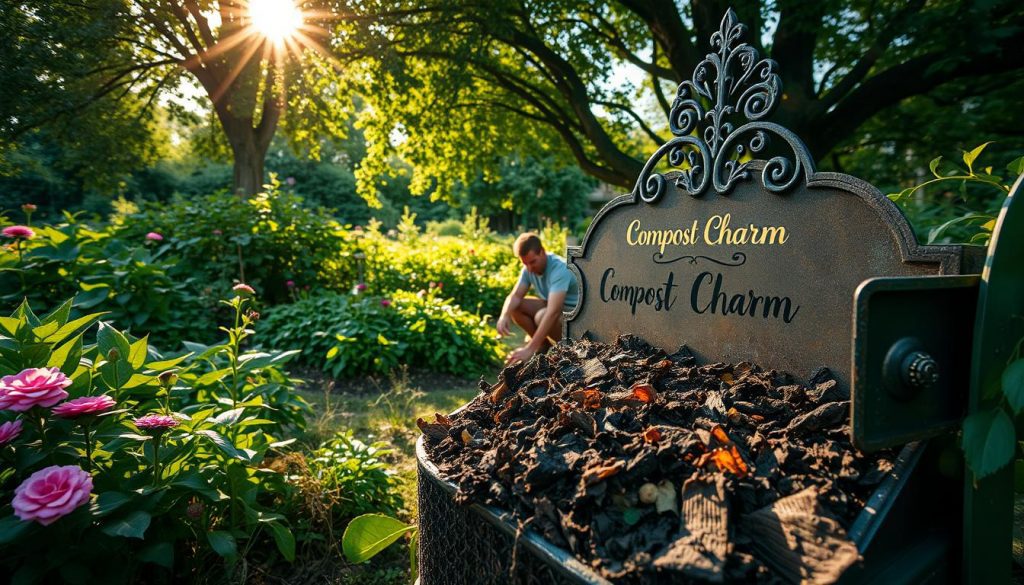
Start small and steady. Keep a countertop container for daily scraps. Empty it into your airtight bokashi bucket every one to three days.
Pair this habit with meal planning and proper storage to make reducing food waste impact part of your routine.
Use bokashi outputs wisely. Dilute bokashi tea about 1:100 for houseplants or to refresh potting soil. Bury finished pre-compost in garden beds to feed soil life and improve structure.
These choices reinforce sustainable composting practices and close the loop on kitchen scraps.
How to integrate bokashi into a household waste reduction routine
Keep a small, sealable counter pail lined with a compostable bag. Empty it into the bokashi bucket each time it fills.
Track what you toss for a week to spot patterns and cut waste at the source.
Use the bokashi system alongside food planning apps or a simple shopping list. Turn leftovers into planned meals.
This lowers overall waste and improves the value you get from the time spent fermenting scraps.
Recommended supplies, bran usage, and handling bones or large meat pieces
Essential tools are an airtight bokashi bucket with a liquid spigot, bokashi bran that contains effective microorganisms, a small scoop, and a pressing plate or weight.
Brand names like EM•1 or Bokashi Bran from reputable garden retailers work well.
Sprinkle bran evenly as you add scraps. For regular kitchen waste use the standard layer method. When adding meat or bones, add an extra spoonful of bran to boost microbes.
Chop meat and bones into 1–2 inch pieces where possible so they ferment faster.
Large bones need patience. They may take much longer than the usual 4–6 weeks in soil to break down. Cut or crush them when safe to do so.
Use extra bran and allow more time in the garden to finish decomposition.
Safety considerations: avoiding rotten or heavily moldy items and burying depth to deter animals
Avoid adding heavily rotten or fuzzy-molded items that can upset the microbial mix. Fine surface molds on fresh fruit are okay after trimming.
If something smells strongly putrid before adding, throw it out with household trash.
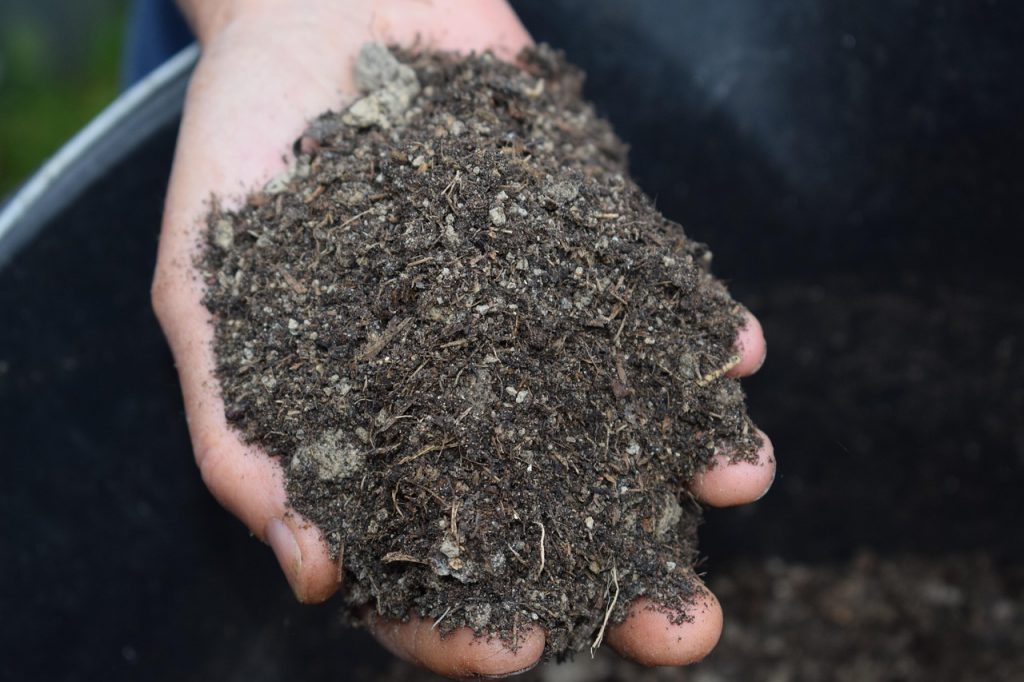
After fermentation, bury pre-compost at least 8 inches deep to deter dogs, raccoons, and other wildlife. In areas with persistent animals, dig deeper. This depth gives soil organisms room to work and keeps smells and scraps out of reach.
When using bokashi tea, dilute it to about 1:100 for general watering. Handle the liquid with gloves if you touch undiluted extracts.
These safety considerations in composting steps protect you, your plants, and local wildlife while supporting effective waste diversion.
Conclusion
Bokashi composting is a smart way to recycle food waste at home. It’s perfect for handling meat, bones, and dairy without the smell. This method is good for the planet and makes your soil healthier.
To do bokashi right, you need a special bin and some bran. Make sure to pack the scraps tightly and keep the bin warm.
After, you can use the liquid tea on your plants. Just remember, don’t add moldy stuff to keep it safe.
Bokashi is great for those who want easy composting. You can also use it with other methods for better waste management.
By using bokashi, you’re helping the environment and making your soil better.