

A Simple Guide to Composting Tea Bags for Greener Living
Wondering can tea bags go in compost? Learn what types break down safely, and how to add them for happier, healthier soil in your own backyard.
Adding tea bags to your compost or vermicomposting system is a simple way to recycle kitchen waste and support a greener lifestyle.
Composting is the natural process of turning food scraps and yard waste into rich, crumbly soil. This process matters because it reduces rubbish, cuts landfill waste, and returns nutrients to your garden.
Whether you’re new to composting or already have a compost tumbler spinning in the garden, this guide shares straightforward, practical advice for making the most of every cuppa.
If you want to live more sustainably, keep reading for clear tips that fit into everyday life.
And for more handy ideas on kitchen waste, visit the complete guide to Don’t Toss It – Composting Guide.
Key Takeaways
- Most tea bags can go in compost, but check if they’re plastic-free.
- Composting helps reduce waste and enrich garden soil.
- You’ll learn easy steps for composting tea bags, whether you’re using a pile, bin, or compost tumbler.
- This post offers tips that are easy for beginners and families alike.
- Readers looking to recycle at home will find practical, no-fuss guidance for sustainable living.
Straight Answer: Can Tea Bags Go in Compost?
The burning question: Can tea bags go in compost? For most modern tea bags, the answer is yes—with one important catch.
It all comes down to what the bag itself is made from. Some are perfect for your compost bin or even a compost tumbler, but others may leave behind tiny bits of plastic you don’t want in your garden.
Let’s break it down so every tea break is a step toward greener living.
Types of Tea Bags and Their Compostability
Not all tea bags are created equal. The type you use determines whether it helps or hurts your compost—and whether worms in a vermicomposting setup will thank you or leave leftovers behind.
Common Tea Bag Materials:
- Paper tea bags: These are usually biodegradable and break down well in compost, provided they don’t have a plastic lining.
- Plastic or nylon tea bags: Some brands use polypropylene or nylon fibers to seal bags. These should not go in your compost, as they won’t break down and can contaminate your finished compost.
- Bio-based tea bags: These newer options use materials like cornstarch and are labeled as “biodegradable” or “compostable.” They’re safe for both backyard compost piles and vermicomposting bins.
How can you tell what your tea bag is made of? Most companies list details on the box or website. Look for words like “plastic-free” or “fully compostable.”
When in doubt, give the bag a gentle tear: If it feels plasticky, it probably has a plastic lining.
Check Before You Compost: Before tossing a tea bag in the compost pile, inspect for extras:
- Tags: Many are coated or laminated. Remove these before composting.
- Staples: These are metal and should be tossed in the recycling, not your compost.
- Adhesives: Sometimes adhesives are used to seal bags. These are usually small but worth removing if you see them.
If you grow other food crops at home, choosing the right compost is important. For specific crop tips, see the potato growing compost guide.
How to Prepare Tea Bags for Composting
Preparing tea bags for composting doesn’t have to be a chore—it can even be a quick kitchen task for the whole family.
Follow these steps to make sure your tea bags are compost-ready:
- Cool It Down: Always let the tea bag cool before handling.
- Remove Extras: Carefully pull off the tag and staple (if there’s one attached). Toss the tag in the bin and recycle the staple.
- Tear Them Open: Gently rip open the tea bag and shake out the used tea leaves. Not only does this speed up composting, but it also makes it more worm-friendly in vermicomposting bins.
- Check for Plastics: If the bag feels slippery, or you see shiny fibers, it’s likely made with plastic. Compost only the tea leaves inside and bin the bag.
- Add to the Compost Bin or Tumbler: Place loose tea leaves and safe tea bag paper in your compost, compost tumbler, or worm bin.
Pro tip: This is a simple, safe task for kids who want to help with eco-friendly chores.
Make it a habit after every family tea time!
If you’re curious about using your own brews for gardening, check out the step-by-step compost tea making guide for quick, homemade tips.
Key Takeaways:
- Check what your tea bag is made of before composting.
- Remove tags, staples, and any plastic bits.
- Tea leaves are always safe for compost.
- Preparing tea bags is easy and family-friendly.
With this know-how, every cup of tea brings you one step closer to a more sustainable home!
Composting Tea Bags: Methods, Tips, and Tools
Can tea bags go in compost? Absolutely, but how you add them can make a difference.
Whether you’re tossing bags into a classic backyard pile, feeding them to worms, or using a compost tumbler, each system has its own tips and tricks for success.
The right approach means better compost, quicker breakdown, and happier gardens.
Tea Bags in Traditional Compost Piles
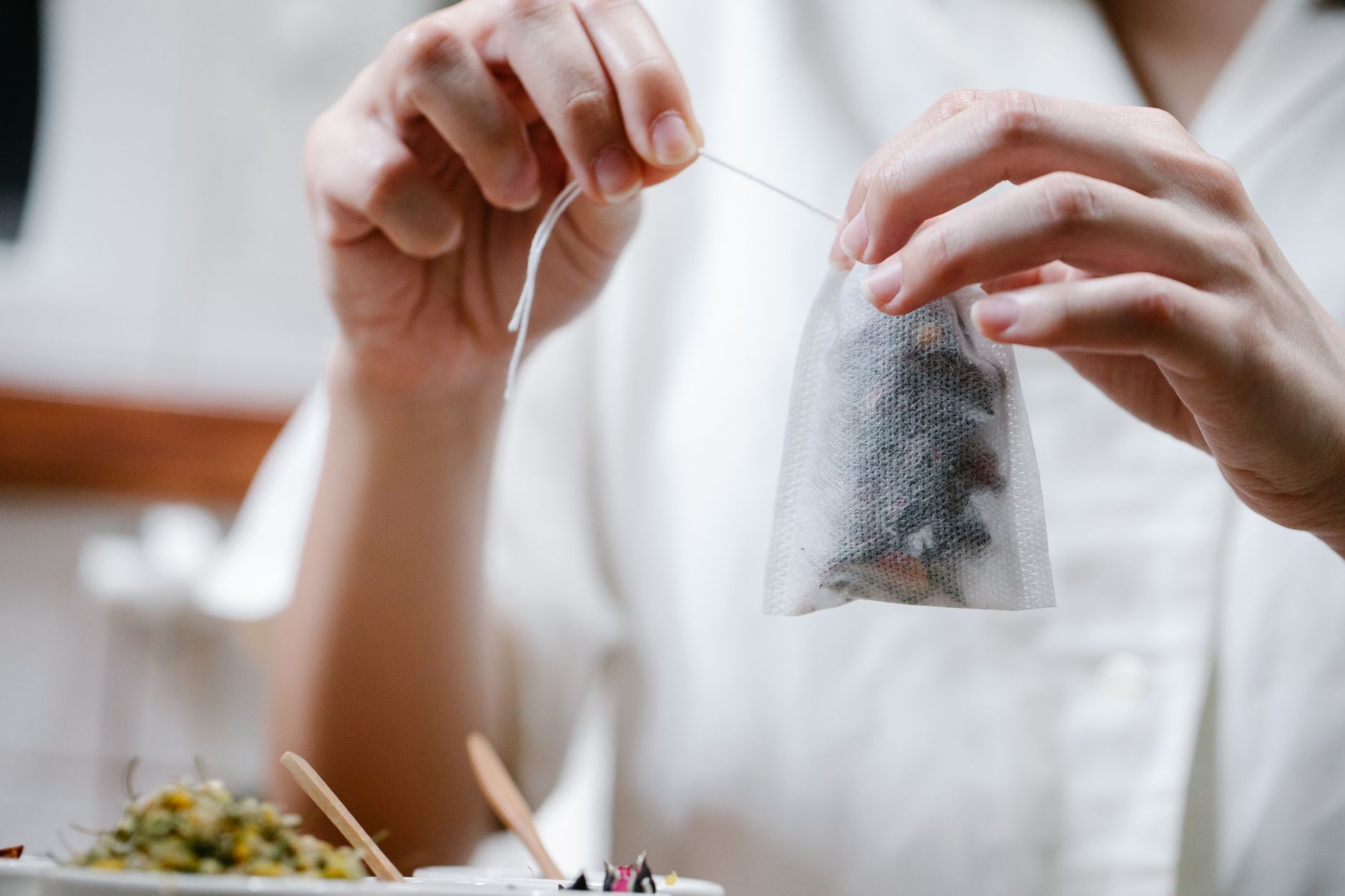 Photo by Anna Pou
Adding tea bags to your backyard compost pile is as simple as tossing in veggie scraps or coffee grounds. But there are a few common roadblocks you can sidestep with some quick checks.
How to Add Tea Bags to a Compost Pile:
- Double-check the bag for plastic. If it feels slippery or shiny, remove the tea leaves and compost only the inside.
- Remove staples, tags, or any string before composting, since these rarely break down.
- Tear open the bag before tossing it in. This helps microbes get inside and work faster.
If your pile isn’t heating up, or tea bags seem to stick around forever, try adding more dry carbon sources like leaves, cardboard, or shredded paper.
A balanced compost pile needs both “greens” (like tea) and “browns” (like autumn leaves). Too many tea bags without dry material can make your pile smelly or slimy.
Practical issues, such as slow decomposition, usually come down to lack of oxygen or too much moisture.
Turn your pile often and keep it as damp as a wrung-out sponge so everything, including those bags, breaks down efficiently.
For more tips on home composting, check out Starting Composting at Home.
If you want more expert tips and simple tricks for composting tea bags, see the clear guide at Guide to composting tea bags.
Using Tea Bags in Vermicomposting
Tea bags can be a worm’s best friend—if you pick the right ones. Worms love tea leaves, but not every tea bag is safe for your vermicomposting bin.
Keep worms happy by following a few easy steps:
- Only add bags labeled as plastic-free or biodegradable.
- Remove all strings, staples, or tags. Worms don’t like eating metal or coated tags!
- For best results, tear open the bag and sprinkle the leaves through your worm bin.
Avoid adding too many tea bags at once. Worms work slowly, and a big pile can turn sour, making the bin too wet or acidic.
Tea is a “green” (nitrogen-rich) input, so always mix with plenty of “brown” bedding like shredded cardboard or coconut coir.
Some people find that certain brands’ bags stick around in the bin, which is a clue they might contain hidden plastic.
In these cases, just fish out the leftover bits when harvesting your compost.
If you’re looking for more ideas and advice, the post on Tea Bag Vermicomposting walks through real-world results and shows how worms process tea bags.
If you’re new to worm bins and want more about perfect balance, check the advice at Composting Beverage Waste with Red Worms.
Tea Bags and Compost Tumblers
Compost tumblers can speed up composting and keep everything neat, even with tea bags in the mix.
Their spinning action means you get quicker results and less fuss, but there are some key tips to keep in mind.
Smart ways to use tea bags in your tumbler:
- Break open tea bags before adding. Tumblers work best with smaller pieces.
- Make sure you have the right mix of “greens” (like tea and food scraps) and “browns” (like dry leaves and cardboard). Tumblers need this just as much as outdoor piles.
- Turn your tumbler at least two to three times a week for even breakdown.
- Don’t overload the tumbler with lots of wet tea bags. Balance with dry materials to avoid clumping or sogginess.
If a bag doesn’t break down after several weeks, it’s likely plastic-based.
This is a good sign to switch brands or stick with loose tea.
Interested in other options? See the best Compost Tumbler Options to find a model that fits your needs and space.

Extra tumbler tips and troubleshooting can be found in guides like Are tea bags compostable? Expert tips for repurposing them, which gives advice on how to get the most value from all your tea break leftovers.
Key Takeaways:
- Always check for plastic in tea bags before adding them to compost, vermicomposting bins, or compost tumblers.
- Prepare tea bags by removing tags and opening them up for faster breakdown.
- Use “brown” materials alongside tea bags in every composting method to balance moisture and nutrients.
- Worms and tumblers both love tea bags—when you pick the right ones and add small amounts at a time.
- Each composting approach has its own rhythm, so experiment and see what works best in your setup.
Key Takeaways for Composting Tea Bags Sustainably
Composting tea bags seems simple enough, but can tea bags go in compost without any fuss? The answer is mostly yes, as long as you know what the bags are made from and prepare them properly.
If you’re interested in creating healthy compost at home, whether by traditional composting, using a worm bin (vermicomposting), or a compost tumbler, understanding the basics will help you keep your system effective and eco-friendly.
Main Points to Remember When Composting Tea Bags
Composting isn’t just about tossing scraps into a pile. A few mindful steps turn tea time into a win for your compost and garden.
Here are the top lessons that make a big difference, especially for anyone wondering, “Can tea bags go in compost?”
- Check the Bag Material: Some tea bags contain plastic fibers that won’t break down. Opt for bags labeled as fully compostable or plastic-free. If you’re unsure, gently tear the bag—plastic linings feel slick and look shiny.
- Remove Extras: Always pull off tags, strings, and staples before composting. Tags and staples can cause headaches during compost sifting and may introduce unwanted materials.
- Compost the Leaves, Even if the Bag Can’t Go: Tea leaves are rich “greens” that break down quickly and add nitrogen to your pile or worm bin—perfect for speedy composting.
- Rip Open Bags for Faster Results: Tearing open the bag and adding just the tea leaves can help everything break down better, especially when using a compost tumbler or vermicomposting system.
- Balance “Greens” and “Browns”: Don’t overload your compost with tea bags. Always balance with dry “brown” materials like leaves or shredded paper to keep things from turning mushy.
- Use Consistent Practices for All Compost Systems: No matter your compost setup—classic pile, compost tumbler, or worm bin—the rules about tea bags hold true. Keep it plastic-free, balanced, and well-aerated for the best results.
By following these tips, you’ll cut down on waste, feed your soil, and maybe even get kids involved.
For more ideas on how to keep composting simple, see the tips in the Don’t Toss It Campaign.
Practical Advice for Home Composting Success
Learning how to compost tea bags isn’t just about the bags themselves. Compost thrives when everything is in balance.
Want to get even more from your daily brews? Try these quick ideas:
- Look for tea brands that use only compostable packaging.
- Try loose leaf tea or reusable tea bags for truly zero-waste tea.
- Let everyone in the house know about composting rules—especially what does and doesn’t go into your bin or compost tumbler.
If you want step-by-step guides for getting started, the Starting Composting at Home page is packed with helpful pointers.
Common Myths Busted
Sometimes well-meaning advice can confuse budding composters.
Let’s clear up a few points so everyone can compost with confidence:
- All Tea Bags are Not Equal: Don’t trust that every bag is compost-safe, even if it looks like paper.
- Staples and Tags Don’t Belong: Remove these before composting.
- You Can Compost Everyday: With a little know-how, composting tea bags can become a daily habit, easy enough for even busy families.
Need more background on best practices? This guide on composting tea bags is detailed and straightforward, with plenty of practical examples from real gardens.
Snapshot: Why Composting Tea Bags Matters
If you’re working toward a more sustainable home, adding tea bags to your compost not only reduces landfill waste but also enriches your soil.
Whether you prefer a simple backyard pile, a speedy compost tumbler, or a worm-filled vermicomposting bin, the main takeaway is easy: Choose the right bags, prep them well, and always balance your compost recipe.
In the end, those tiny changes add up to healthier soil and a greener planet for everyone.
 Photo by Anna Pou
For extra guidance, check out Garden Organic’s practical advice on which tea bags are safest for home composting in their article Are you composting your tea bags?.
Feel free to experiment with different approaches as you grow more confident in composting.
If questions pop up or you’re curious about more composting methods, try the Compost Charm composting calendar for seasonal tips and tricks that make composting work all year round.
Summary and FAQs About Composting Tea Bags
So, can tea bags go in compost? Yes, but there are a few things you’ll want to keep in mind to make sure your compost stays healthy and plastic-free.
This section wraps up the essentials and answers the most common questions.
Whether you use a compost pile, vermicomposting system, or a compost tumbler, knowing what to toss in (and what to leave out) keeps your compost clean and your garden thriving.
Key Takeaways from Composting Tea Bags
- Check the Bag’s Materials: Not all tea bags break down equally. Choose bags labeled as “plastic-free” or “fully compostable” when possible.
- Remove Extras: Tags, staples, and strings are usually not compostable. Pull them off before composting.
- Tea Leaves Are Always Good: Loose tea leaves are rich in nutrients and safe for any compost system.
- Break Open for Speed: Tear the bag open to speed up decomposition, especially when using a compost tumbler or worm bin.
- Don’t Overload on Tea Bags: Even the right bags need to be balanced with dry “browns” (like shredded paper or leaves) to keep your compost from getting soggy.
- Know Your Compost Method: While tea bags can go in most systems, checking the material is key for vermicomposting and tumblers.
For a deeper look at different ways to process kitchen waste, see the practical advice in the 6 effective composting methods guide.
Can Tea Bags Go in Compost? Quick Q&A
Here are some of the top questions people ask about composting tea bags, answered simply:
Which tea bags can go in compost?
Most paper tea bags without plastic lining are compostable. Look for notes on the package saying “compostable” or “plastic-free.”
If unsure, check the bag by feel—plastic ones feel slick or look shiny. Want to dive deeper? See the breakdown at Can You Compost Tea Bags? Here’s What You Need to Know.
Should I compost the string and tag, too?
Tags and staples are usually coated or metallic and don’t belong in your compost. Strings made from cotton or hemp are fine, but always check first.
Are tea bags safe in worm bins?
Only choose tea bags that are fully biodegradable for worm bins. Plastic in the bin can slow things down and upset your worms.
Always remove tags and any suspect materials.
What if I’m using a compost tumbler?
Compost tumblers love small pieces.
Tear open the tea bags for quick breakdown, and mix in plenty of dry material to keep things moving along.
Do all tea bags break down at the same speed?
Plastic-free paper bags break down the fastest.
Bags with a plastic lining can last forever—best to skip putting them in compost and just add the loose tea leaves.
Is it okay if I don’t separate the bag and leaves?
For most home composting, separating helps things break down faster. If you’re short on time, loose leaves are your safest bet.
Want to see the process in pictures and get newbie-friendly advice?
The step-by-step guide by Recycle A Cup on tea bag composting is a great next read.
Composting Tea Bags at Home Made Easy
Composting doesn’t need to be tricky. With a few smart habits—checking for plastic, breaking open bags, and balancing your bin—you keep your compost, worms, or compost tumbler running strong.
You don’t have to guess what to compost. If you ever get stuck, ask your question using the Ask a composting question tool for instant, practical advice.
 Photo by Anna Pou
With these tips, every cup of tea can help feed your garden and shrink your rubbish bin at the same time!
Related reading:
If you’re curious about seasonal compost routines or want monthly reminders for your compost bin, the composting calendar is packed with tips to help you build healthy compost all year long.
For more answers about which teas and bags are best for composting, check the detailed FAQ and practical answers at Greenify Me’s complete tea bag composting guide.
Conclusion
Can tea bags go in compost? Yes, they can—just double-check for plastic and remove any staples or tags first.
Choosing the right bags and preparing them properly means your cup of tea does double duty, nourishing your garden and supporting a healthier planet.
Whether you’re composting with a backyard pile, a compost tumbler, or vermicomposting with friendly worms, small everyday choices really do add up over time.
Some key takeaways from this article:
- Always check the materials used in your tea bags, aiming for plastic-free or compostable brands when possible.
- Prep bags by removing non-compostable extras and opening them for quicker breakdown.
- Tea leaves themselves are always welcome in every compost system.
- Balance tea bags with lots of dry material to avoid soggy compost.
- Composting, even in small doses, reduces waste and helps your garden thrive.
Ready to make your next brew part of a greener routine? Give tea bag composting a try and inspire others at home, work, or school.
Your simple efforts truly matter! For tips on composting in tight spaces, explore the composting guide for small yards or tap into seasonal strategies with the composting calendar for year-round success.
Thanks for reading. Which tiny change will you try today to make composting easy and fun?
Share your experiences, and let’s grow a greener community—one tea bag at a time.