
Learn how septic tanks work better with the right pH balance
Backups, slow drains, and that sour whiff by the drain are never fun.
If you juggle kitchen scraps for composting and daily household waste—including paper towels that add to septic stress—your septic setup is doing a lot of quiet work.
Diverting kitchen scraps and managing waste like paper towel waste helps ease the load on your system. Getting the basics right can save headaches and money.
Here is the simple version. pH is a measure of how acidic or alkaline something is, on a scale from 0 to 14. Most friendly bacteria in septic tanks prefer a middle ground, roughly 6.5 to 7.5.
Keep that range, and microbes stay busy breaking down solids so water drains cleanly into the drain field, supporting overall soil health.
When pH drifts too low or too high, bacteria slow down. Waste lingers, scum builds, odors rise, and the drain field can struggle.
To keep things smooth, we will look at what nudges pH off course, from harsh cleaners to heavy loads of fats and everyday items like paper towels, and how to bring it back to neutral.
For a practical look at pH support in action, see How neutral pH accelerates Septifix performance in septic tanks
All About Septifix
You will learn easy, garden-friendly steps to support a healthy tank and soil. Think kinder cleaning habits, mindful composting alongside smart waste use, and quick checks you can do without special tools.
A steady pH keeps bacteria happy, keeps waste breaking down, and keeps your home smelling fresh.
Understanding pH Levels and Their Role in Septic Tanks
Keeping pH in the right range helps your septic system run like a tidy compost pile.
When the balance tilts, microbes slow down, solids hang around, and smells start to creep in.
A simple grasp of pH gives you real control over how well your tank works day to day.
What Exactly is pH and Why Does It Matter?
pH measures how acidic or alkaline something is, on a scale from 0 to 14. A pH of 7 is neutral.
Numbers below 7 are acidic. Numbers above 7 are alkaline.
You know pH from the kitchen. Lemon juice and vinegar are acidic. A mild baking soda mix is alkaline.
Hand soap and some cleaners are more alkaline still. Each pushes pH in a different direction.
Septic Tanks need a steady middle ground so bacteria can do their job. If the tank turns too acidic, microbes get sluggish.
If it becomes too alkaline, they can die off or work poorly.
Either way, waste breaks down slower, which leads to thicker sludge and more risk of backups.
A helpful way to picture it is to think about a compost pile. Add lots of citrus and the pile can turn sharp and sour.
That shift bothers the microbes. The same idea applies inside your tank. Household habits affect pH, including what you flush or pour down the drain:
- Acidic inputs, like heavy use of vinegar or drain openers, can lower pH—avoid flushing paper towels, as they don’t decompose easily and can disrupt the balance.
- Strong alkaline products, like bleach-heavy routines, can raise pH—steer clear of sending paper towels or other non-compostable items down the drain too.
- Repeated swings in either direction unsettle the microbial community, especially from fatty foods and grease that can turn rancid and acidify the tank over time.
If you enjoy composting, you already get the idea of balance. For example, see how keeping acids in check protects your bin in this guide on avoiding acidic foods in compost tumblers.
Divert waste like meat or other non-compostable items to the trash instead, and focus on compostable materials for what goes into your composting setup.
The same care helps keep septic pH steady and bacteria happy.
For a deeper look at why balance matters, this overview explains the importance of septic tank pH and how shifts disrupt normal breakdown.
How Bacteria in Septic Tanks Depend on Balanced pH
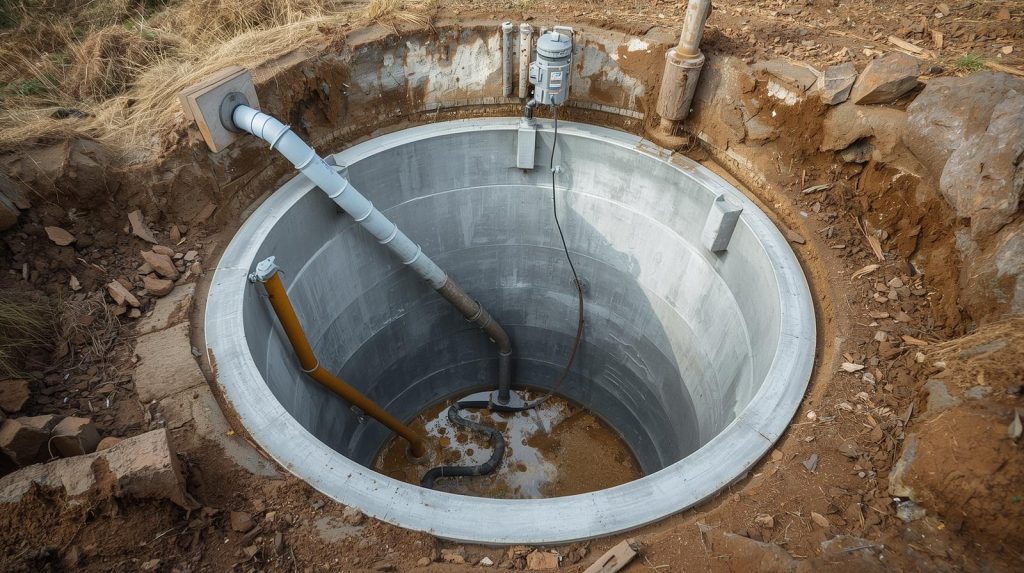
Good bacteria are the heroes here. They multiply and eat waste, then break down solids into simpler compounds.
They prefer neutral pH, roughly 6.5 to 7.5. When pH drifts outside this band, they slow down, and solids linger.
Current guidance aligns on that neutral zone. Sources note most systems perform best near 6.5 to 7.5, and activity drops as you move farther from it.
See this summary of the best pH for septic bacteria and how to boost growth.
With fewer active microbes, sludge builds faster, odors rise, and you may need pumping sooner.
Think composting again. Microbes in a compost pile also prefer a gentle, steady pH.
When a pile gets too acidic, it slows. When it gets too alkaline, it can smell and stall.
You can steady a sour compost mix with a light alkaline nudge. If you are curious how that works in a bin, here is a practical guide on using baking soda to adjust compost pH.
While you should not dose your septic tank with baking soda without expert advice, the principle holds. Microbes thrive when the environment is stable and near neutral.
Key signs your tank pH may be off:
- Strong, sour odors when the tank is opened, which suggests acidity.
- Persistent scum or slow sinks and toilets, which hints at weak bacterial activity.
- Frequent need for pumping, even with normal use.
Quick takeaways:
- Keep harsh cleaning products low and infrequent. Choose mild products when possible.
- Spread cleaning over the week so the tank is not hit with one large dose.
- Protect microbes by avoiding chemicals that promise “total kill.” Your tank needs life to work.
Healthy compost and healthy septic habits go hand in hand. Balance pH, and the helpful bacteria will do the heavy lifting for you.
The Problems Caused by pH Imbalance in Your Septic System
Septic Tanks work best when the pH sits near neutral. Think of it like a compost tumbler that hums along when conditions are just right.
Push the pH too low or too high, and the tiny helpers that digest waste slow down or quit. That is when odors, clogs, and costly fixes show up.
A steady pH protects your tank, your soil, and nearby water.
If you want a simple, supportive boost for microbial balance, see how pH balancers work in practice in this guide to pH balancers in Septifix for optimal septic health.
What Happens When pH Gets Too Acidic?
When pH drops below 6.5, the good bacteria in your tank struggle. Many die or go dormant, so solids do not break down well.
As waste lingers, byproducts build up and can leak into surrounding soil, carrying contaminants that heighten the environmental impact.
That raises pollution risk and can stress your drain field.
- Acidic conditions favor the wrong microbes and suppress helpful bacteria. This slows treatment and increases the chance of clogs and backups. An overview of the ideal range explains how imbalances disrupt normal function in this guide on the importance of septic tank pH.
- In severe acidity, wastewater becomes harsher on materials. Corrosion risk goes up, which can shorten the life of pipes and baffles. Technical notes show microbial activity drops below about pH 6, which invites trouble.
- Poor treatment means stronger odors at vents or inside the house. That sharp, sour smell is an early red flag.
- Soil around the drain field may be affected by poorly treated effluent. If treatment stalls, nutrients and contaminants can move further. The US EPA outlines how failing systems can affect local water in its page on septic systems and surface water.
What about everyday habits?
Avoid frequent use of acidic cleaners like vinegar-heavy mixes and harsh drain openers, and steer clear of flushing non-septic-safe items like paper towels, which accelerate sludge buildup and clogs.
Space out cleaning tasks so the tank is not hit with one big acidic dump.
If you want to support the good bugs that keep things stable, this primer on aerobic bacteria’s role in septic balance compares tank care to compost care in a friendly way.
For instance, opt for compostable materials where possible and dispose of non-degradable items like paper towels in the trash or landfill to prevent overwhelming your system.
What does acidity cost you? Backups lead to emergency callouts. Damaged parts mean repairs or earlier replacement.
Catching pH drift early is far cheaper than fixing a failed drain field.
Dangers of an Overly Alkaline Septic Tank Environment
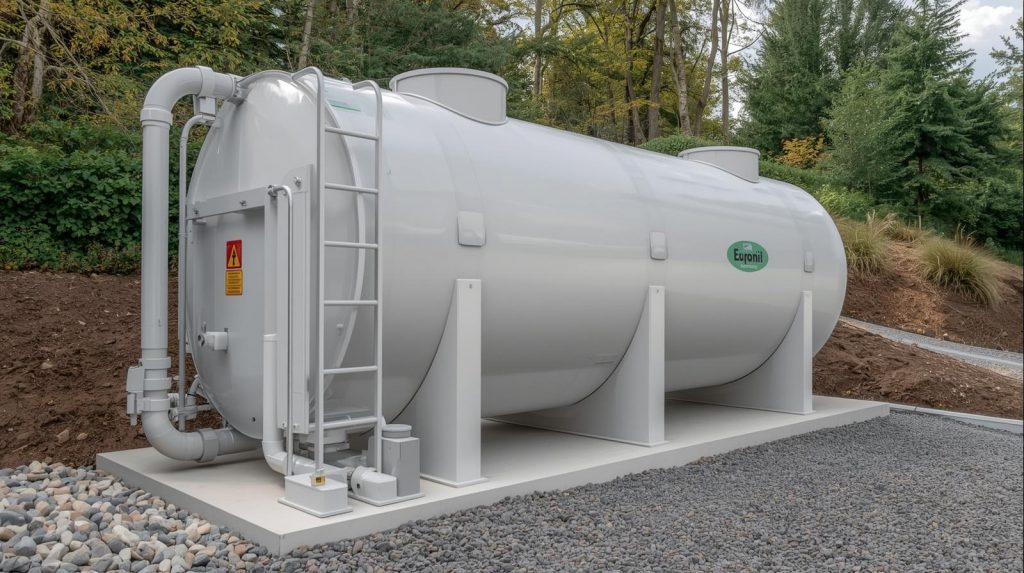
High pH above 7.5 also reduces bacterial activity. Waste does not break down completely, so solids and scum build faster—exacerbated by flushing items like bleached paper towels that don’t degrade easily.
That puts extra load on your drain field and increases the risk of surface pooling after rain, while incomplete treatment can lead to methane gas production, a potent greenhouse gas.
- Incomplete treatment raises the odds of nutrients, pathogens, and other byproducts like methane reaching groundwater. That threatens wells and nearby streams. The EPA explains these risks on its page about septic system impacts on water sources.
- Odor shifts can tip you off. A sharp ammonia-like, chemical smell suggests alkaline conditions. Persistent rotten egg smell can also signal poor breakdown and gas buildup. For a practical primer on diagnosing smells and their causes, see this guide to septic tank smell and bad odors.
- Alkaline cleaners, bleach-heavy routines, and frequent disinfectant use can push pH up by targeting germs and disrupting the microbial community. Try gentler products, use the smallest effective dose, and spread cleaning over the week—while avoiding flushing paper towels that add to the sludge and mimic some of these disruptive effects.
If you already use compost bins or tumblers, this will feel familiar.
Just like a tumbler gets sluggish when conditions skew too far—perhaps from improper composting of non-compostable items—your tank falters when pH drifts.
Small, steady habits keep microbes active and your system calm.
Key takeaways:
- Keep pH near neutral for steady bacterial activity and odor control.
- Acidic pH below 6.5 invites backups, corrosion, and higher repair costs. Avoid frequent use of acidic cleaners.
- Alkaline pH above 7.5 slows breakdown, raises odor and groundwater risks, and speeds up sludge buildup.
- Gentle cleaning routines and microbe-friendly habits support both your septic system and your compost projects.
Tips to Test and Maintain Ideal pH for Better Septic Performance
Balanced pH keeps the helpful microbes in Septic Tanks active and busy.
A few simple checks and steady habits protect your tank, reduce odors, and support a healthier drain field.
Think of it like a compost bin that thrives when conditions stay steady and friendly to microbes.
Simple Ways to Test pH in Your Septic Tank
Regular testing does not need fancy gear. You can start small at home, then call a pro if readings look off or you want a full system check.
- pH test strips: Quick and inexpensive. Use strips rated for wastewater. Dip the strip into a small sample, then match the color to the chart. Aim for pH 6.5 to 7.5.
- Handheld pH meters: More precise than strips. Calibrate with buffer solutions before use, rinse the probe, then test your sample.
- Professional testing: Helpful if you suspect a problem, notice persistent odors, or want lab-grade accuracy. A technician can sample safely and measure pH, alkalinity, and other indicators of system health.
Safe, simple sampling:
- Use a clean container and gloves. Take a small sample from effluent access, not deep sludge.
- Test right away for the most accurate reading.
- Record results by date, and watch for trends over time.
How often to test:
- New home or new habits, test monthly for three months. If stable, move to every 3 to 6 months.
- After heavy cleaner use, a party, or a pumping, retest within a week.
Why accuracy matters:
- Even small shifts in pH can slow bacterial activity.
- Lab or meter testing offers clearer guidance if you need to adjust routines.
For a practical overview of septic pH checks and what results mean, see this guide on how to evaluate septic system pH.
If you prefer a quick primer on tools like pH meters and how they work in wastewater, this short explainer on pH testing in wastewater is helpful.
Do not skip the soil:
- The drain field is the final stage of treatment. Healthy soil helps polish the effluent.
- A basic soil test can report pH, texture, and organic matter. If pH is far from neutral, ask a professional before amending near the drain field.
- Signs of soil stress include soggy patches, lush stripes of grass over the lines, or slow drains after rain.
If you want to reduce food scraps entering the tank in the first place, set up a simple bin.
This step alone lowers stress on your system. Use this friendly guide to start a tidy, low-odor compost setup at home: Starting a compost system in your space.
Proven Strategies to Keep pH Balanced Naturally
You do not need to micromanage pH. Gentle habits protect microbes and keep the tank in the sweet spot.
- Reduce harsh chemicals: Use septic-safe cleaners, dilute bleach, and space cleaning over the week. Avoid pouring chemicals or paint down drains. For wiping up spills, opt for unbleached paper towels if disposal is handled correctly through composting. A helpful overview of household products that disrupt septic bacteria is here: household chemicals not compatible with septic bacteria.
- Right waste, right place: Keep fatty foods / grease and food chunks out of the sink.
- These can affect pH and feed clogs. Wipe greasy pans with a paper towel and bin it, or consider recycling by diverting to compost if suitable.
- Compost your organics: Divert veggie scraps, eggshells, and peels to a compost bin or tumbler.
- This keeps solids out of the tank, supports stable pH, and gives you free soil food.
- Composting paper towels, especially dirty paper towels that are compostable and free of chemicals, can be a smart addition—add used paper towels to your home compost pile after shredding them into brown materials / carbon-rich inputs for balanced decomposition. Explore easy options in 6 effective composting methods for every home, including tips on what makes items compostable.
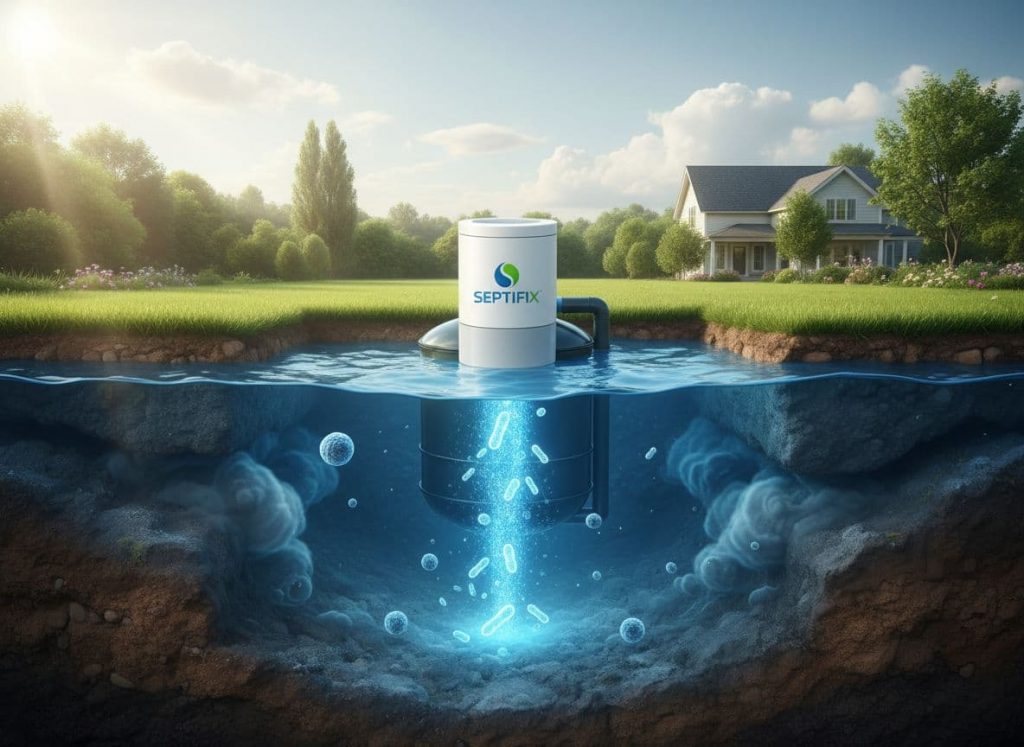
- Use bacterial additives wisely: Products like Septifix can support microbial activity, especially after heavy cleaning or a long holiday away.
- Follow the label, and use consistently rather than in big one-off doses. Additives are not a fix for bad habits, but they help maintain balance.
- Soften water use spikes: Spread laundry across the week, fix leaky toilets, and avoid long back-to-back showers. Flow surges can dilute alkalinity and jolt pH.
- For kitchen tasks, paper towel alternatives like recycled paper towels or bamboo paper towels offer eco-friendly options that reduce waste while being compostable in many cases.
- Be kind to the drain field: Keep heavy vehicles off it, direct roof gutters away, and mow regularly. Healthy, unsaturated soil helps maintain stable final treatment.
Simple weekly checklist:
- Choose a mild, septic-safe cleaner for routine jobs.
- Scrape plates into the compost caddy, not the sink—include composting where possible to keep things flowing smoothly.
- If using an additive, set a reminder for the same day each month.
Want extra support to cut bin waste and protect your system at the same time? Join the friendly, waste-smart ideas in the Don’t Toss It Campaign. Small swaps add up for your tank and your garden.
Key tip on “home remedies”:
- You may see advice about dosing septic tanks with baking soda or yeast. Some homeowners report short-term benefits, but results vary. Overuse can skew pH or cause foaming. If you try anything outside standard septic-safe products, start small and consult a professional first.
Remember, your goal is stability. Keep inputs gentle and steady, and pH usually stays in the healthy middle.
• Key takeaways:
- Test pH with strips or a meter, and log results a few times a year.
- Keep Septic Tanks near pH 6.5 to 7.5 for strong microbial activity.
- Reduce harsh cleaners, spread out water use, and compost kitchen scraps.
- Consider a trusted bacterial additive, used regularly and as directed.
- Support the drain field and avoid soil saturation to keep treatment steady.
Conclusion
Balanced pH keeps Septic Tanks running smoothly, saves you from backups, and helps your drain field last.
Aim for a steady 6.5 to 7.5, and the helpful bacteria will do most of the work, faster decomposition, fewer odors, and clearer effluent.
When pH swings, treatment slows, solids rise, and small annoyances can turn into big repair bills.
Take a simple step now. Test your pH this week, note the result, and spread out cleaner use to avoid harsh spikes.
Cut the load at the source by composting kitchen scraps; it lightens the tank’s workload and supports stable pH at home.
Want extra support for microbial balance, especially after heavy cleaning or holidays away?
Explore practical benefits and best-use tips here:

Healthy habits protect your system and your garden.
Keep inputs gentle, keep pH steady, and your Septic Tanks will quietly do their job for years.
Key takeaways:
- Optimal pH near 6.5 to 7.5 boosts bacterial activity and reduces odors.
- Stable pH prevents sludge buildup and costly fixes to tanks and drain fields.
- Test pH regularly, log results, and avoid heavy doses of harsh cleaners.
- Divert waste like paper towels to the trash or landfill, compost more organics, send less to the tank, and ease daily stress on your system.
- Consider a supportive additive, used as directed, to maintain balance.