

Learn about Septic Sludge Buildup and Easy Prevention, protect your tank, cut pumping costs, and keep your home system clean, safe, and worry-free.
Slow drains, gurgling sounds, or a whiff you cannot ignore? That is your septic tank asking for help. Septic sludge is the heavy layer of solids that settles at the bottom when waste does not break down well.
It comes from daily life, like kitchen grease, paper, and bathroom waste.
Think of it like composting. A good compost pile needs the right mix, air, and helpful microbes to turn scraps into soil. Your tank needs the same steady breakdown.
When sludge buildup occurs, you risk clogs, smells, and expensive pump-outs.
Here is the simple fix. Septifix adds helpful bacteria and oxygen, so waste breaks down faster, odors fade, and sludge slows. It is like giving your tank a fresh team of tiny workers.
With regular use and smart habits, you can prevent buildup and keep things flowing while skipping surprise repairs.
We will cover easy prevention tips next. You will learn what to flush, how to cut grease, pump timing, and how Septifix fits into a simple monthly routine. Quick steps now can save you a lot later.
Key takeaways:
- Sludge is the solid layer that settles when waste is not broken down.
- Every day, grease and paper feed sludge, just like wet, dense scraps slow compost.
- Septifix supports bacteria, reduces odors fast, and helps prevent buildup.
- Simple habits, like using less grease and mindful flushing, keep your system healthy.
- Regular checks and routine treatment cost less than repairs.
What Causes Sludge Buildup in Your Septic Tank?
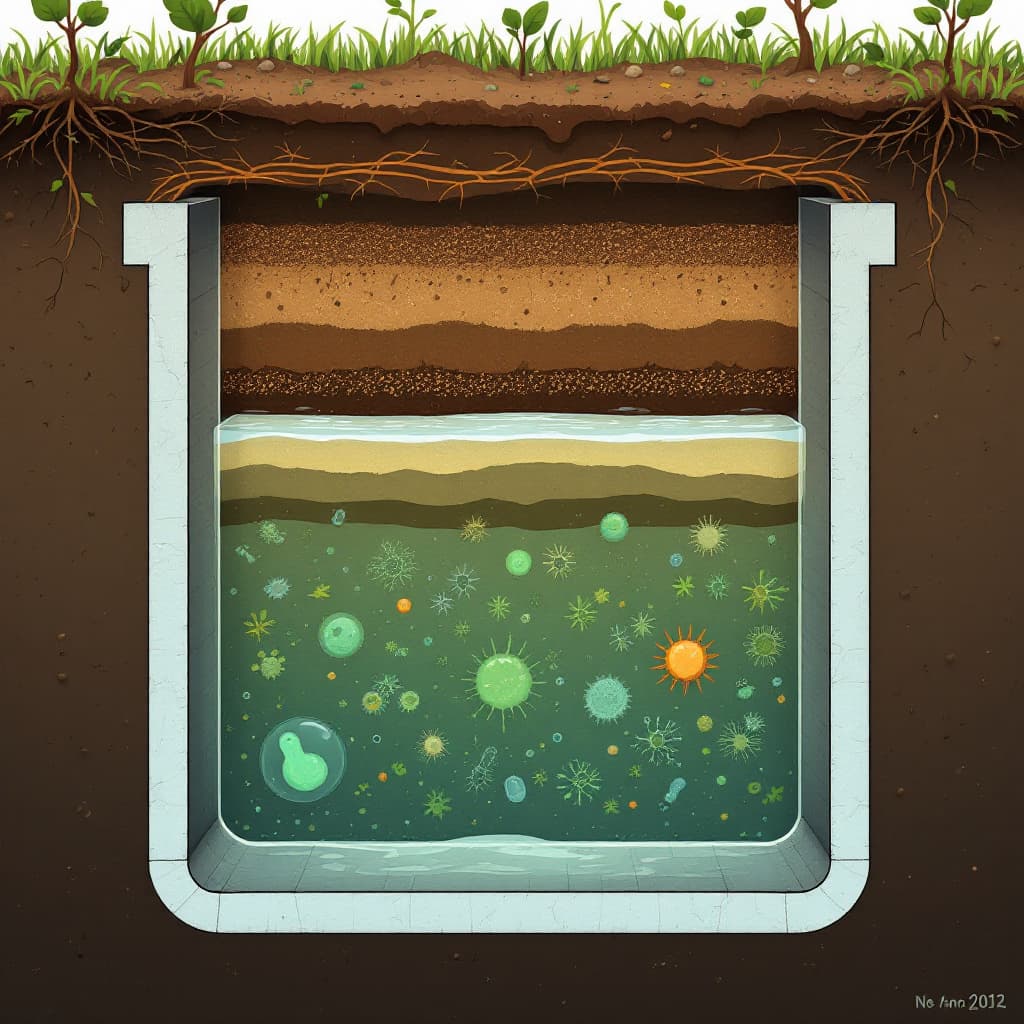
Septic sludge builds up when solids settle to the bottom faster than bacteria can digest them. Picture a compost bin without enough air or the right mix.
Things sit, get heavy, and turn dense. Your septic tank works the same way. When sludge grows, you see slow drains, smells, and costly pump-outs.
Reducing inputs that feed sludge and supporting bacteria keeps your system healthy and budget happy.
Common Household Habits That Lead to Sludge
Small choices in managing household waste at the sink and toilet make a big difference.
The more inorganic material or non-biodegradable stuff you send down, the faster sludge piles up.
- Fats oils and grease: These cool, congeal, and trap other solids. They act like glue in the tank. Pour them into a jar, then bin them when full. Wipe greasy pans with a paper towel before washing.
- Harsh cleaners and bleach: Heavy doses kill the helpful bacteria that digest solids. Choose septic-safe cleaners and use the smallest amount that does the job.
- Antibacterial soaps: They target the very microbes your tank needs. Swap to simple, non-antibacterial options.
- Feminine products and wipes: Even “flushable” wipes and cotton buds do not break down well. Bin them, always.
- Coffee grounds and food scraps: They add dense material that sinks fast. Compost kitchen scraps instead. If you are new to composting, see simple ideas in Starting Composting at Home.
- Too much toilet paper: Extra-thick or scented paper can break down slowly. Choose a quick-dissolving brand and use less.
A few habit shifts save money and stress. Stop these inputs and you reduce clogs, smells, and emergency callouts.
Quick wins you can start today:
- Collect cooking oil and bacon fat in a sealed container.
- Switch to septic-safe cleaning products.
- Keep a small bin next to the toilet for non-flushables.
- Compost fruit peels, veg scraps, and coffee grounds to keep them out of the tank. For a beginner-friendly overview of options, try 6 Effective Composting Methods.
For a clear explanation of how sludge forms and why it causes backups, this short guide on common causes of septic clogs and backups gives useful context.
How Poor Bacteria Balance Contributes
Bacteria do the heavy lifting in your tank. They handle bacterial breakdown of solids, much like the microbes that turn your compost heap into dark, crumbly soil.
When the micro-life is strong, sludge stays in check. When it is weak, solids linger and pile up.
Two common problems tip the balance:
- Low oxygen: With little oxygen, anaerobic bacteria slow down. Waste sits longer, and sludge grows.
- Chemical overload: Bleach, antibacterial soaps, and solvent-heavy cleaners hit bacteria hard. Fewer microbes means slower breakdown.
You can support a healthy balance with steady, simple habits. Space out laundry loads, skip the shock doses of bleach, and pick septic-safe cleaners. Think of it like feeding and airing a compost pile, so it stays active and sweet.
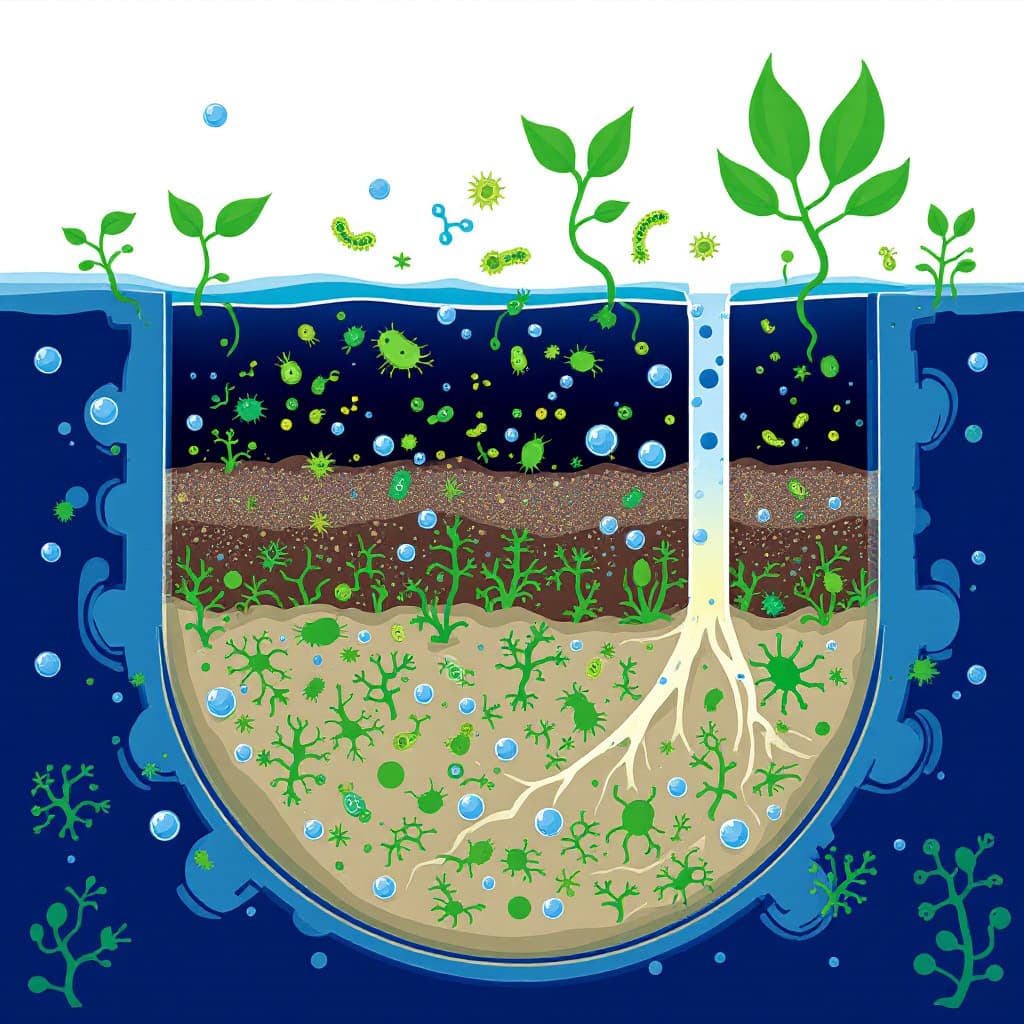
If your tank needs a reboot, a booster helps. Septifix supports beneficial bacteria and adds oxygen, which helps waste break down faster and controls odors.
To see how oxygen jump-starts digestion, check this quick explainer on why Septifix activates bacteria so quickly.
Grease is a big sludge feeder too, so it also helps to understand how Septifix dissolves oils to reduce sludge.
Key points to remember:
- Strong microbes keep solids moving.
- Oxygen helps bacteria stay active.
- Fewer harsh chemicals means faster breakdown.
- Consistent treatment beats stop-start fixes.
For more background on sludge layers and why they reduce bacterial performance, see this primer on what septic sludge is and why it builds up.
Key takeaways:
- The sludge layer grows when solids enter faster than bacteria can digest them.
- Grease, wipes, and harsh cleaners are top sludge drivers.
- Support microbes by reducing chemicals and keeping oxygen moving.
- Septifix adds oxygen and helpful bacteria to slow sludge growth.
The Risks of Sludge Buildup and How to Spot It Early
Septic sludge sneaks up slowly, then causes big problems like restricted wastewater flow. The good news is you can spot early signs and act before it costs you.
Think of your tank like a compost bin. When solids sit too long, airflow drops, microbes stall, and thick layers of septic sludge form.
With steady care and a little help from Septifix, you can keep that breakdown process active and avoid stress.
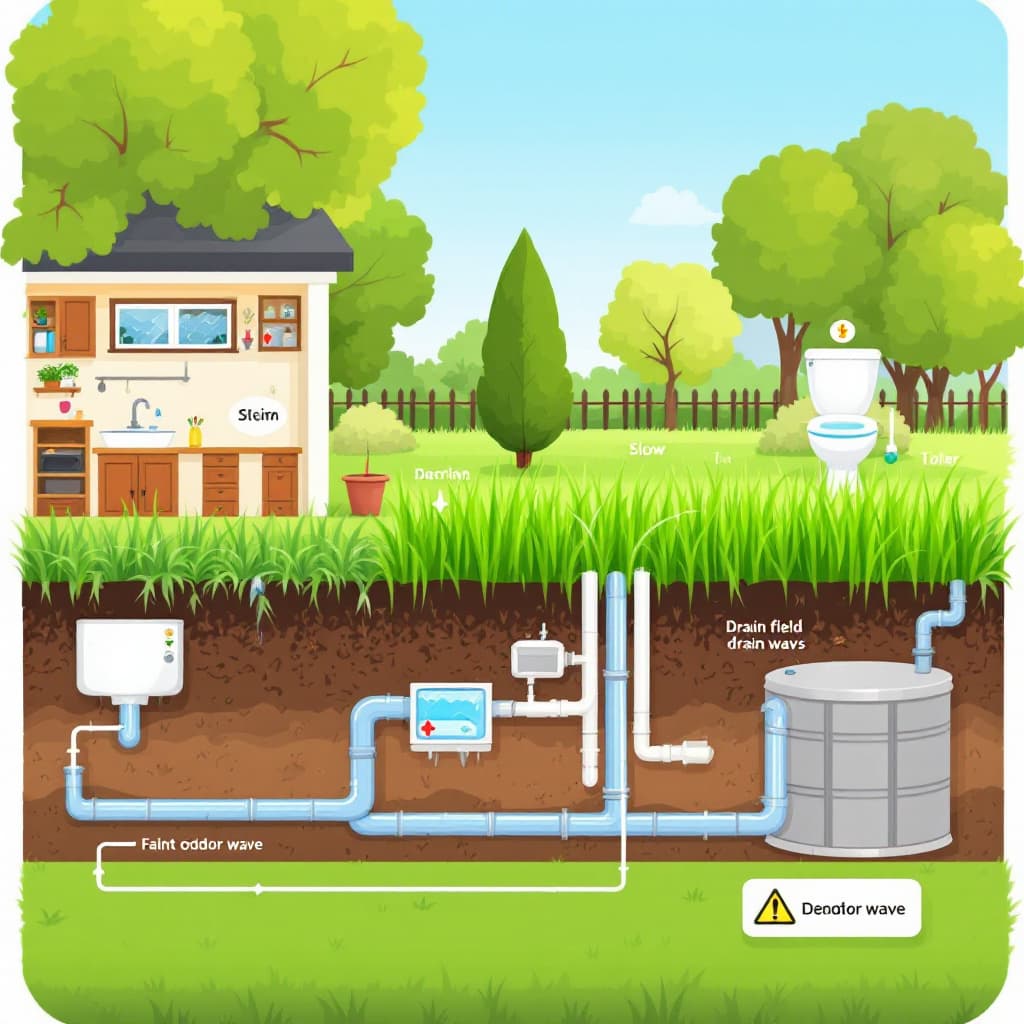 subtle warning signs around a home that hint at septic sludge buildup.
Warning Signs Your Septic Tank Needs Attention
Catching issues early saves money and hassle. Watch for these everyday clues and take simple next steps.
- Slow drains in sinks and showers: Water hangs around or drains in a spiral. Try a quick check first, like clearing hair traps. If several drains slow at once, call a pro for an inspection and consider a pump-out schedule.
- Gurgling toilets or pipes: That bubbling sound means air is trapped behind solids. Avoid chemical drain cleaners. Book a licensed inspection and start a routine treatment like Septifix to support bacteria.
- Bad smells near the tank or drain field: Foul odors like a sour or sewage scent are a red flag. Do not open the tank yourself. Limit water use, then schedule a technician visit. Use septic-safe cleaners moving forward.
- Lush, bright green grass over the drain field: Extra growth can mean excess moisture or leaks below. Keep vehicles and heavy items off the area. Get a site check to prevent damage.
- Backups or wet spots in the yard: Puddles or damp soil near the tank or lines signal urgent action. Stop running laundry and dishwashers, and book service right away.
For a quick health check of common failure symptoms, this public guide on signs of septic system failure offers clear visuals and examples.
If you want a simple primer on aerobic microbes and why oxygen helps, see the explainer on how aerobic bacteria reduce sludge. It pairs well with a regular Septifix routine.

Why Sludge Can Harm Your Home and the Environment
Sludge looks harmless at first, but it puts pressure on the entire system. Once it blocks outlets or the drain field, repairs accelerate fast.
- Costly repairs: Waiting often leads to thousands in repairs or even full system failure and replacement. Pumping is far cheaper than rebuilding a drain field. A consistent microbe boost with Septifix helps keep solids from stacking up between pump-outs.
- Health risks from backups: Backed-up wastewater carrying sewage waste can carry bacteria and viruses into sinks, tubs, and floors. That means higher exposure risk for kids and pets. If you notice backup, stop water use and call a qualified technician.
- Environmental damage: Failing systems can leak nutrients and pathogens into nearby streams or groundwater. That can fuel algae blooms and harm wildlife. The US EPA explains how faulty systems pollute local waters in their guide on septic systems and surface water.
- Sustainability tie-in: A healthy tank works like a balanced compost pile, with microbes taking the lead. When you protect that micro-life, you protect soil, water, and your budget. It is a small habit with a big ripple effect.
If you are new to this and want a friendly start, these Septifix basics for septic beginners explain simple steps, from dosing to timing.
For everyday waste habits that also help your garden, check out 6 Effective Composting Methods. Composting food scraps keeps dense solids out of your tank and turns them into plant food instead.
Key takeaways:
- Early signs include slow drains, gurgling, odors, bright grass, and wet spots.
- Quick action prevents backups and high repair bills.
- Septifix supports microbes, which helps slow sludge growth.
- Healthy tanks protect your home and local water sources.
- Compost more, flush less, and book routine checks to stay ahead.
Simple Ways to Prevent Sludge Buildup at Home
Preventing septic sludge buildup is easier than you think. A steady routine of regular maintenance, a few daily tweaks, and a weekly Septifix boost keep your system calm, clear, and odor-free. Think of it like caring for a compost pile. When you feed it the right stuff and check it regularly, everything breaks down smoothly.
Regular Pumping and Inspections
Septic tank pumping is your safety net. It removes the heavy solids before they creep into pipes and the drain field, providing essential septic tank cleaning.
- Simple schedule by septic tank capacity and household size:
- 1–2 people: every 4 to 5 years
- 3–4 people: every 3 years
- 5+ people or heavy water use: every 2 to 3 years
Pros do not guess, they measure. During an inspection, technicians use a clear tube or “sludge judge” to measure sludge level and scum layer depth.
If solids take up about one-third of the tank, it is time to pump. This protects the outlet and keeps liquid effluent moving as it should.
Costs are moderate compared to repairs. Expect roughly 300 to 500 USD per tank pumping for a typical 1,000-gallon tank, with inspections often 100 to 250 USD depending on access and region.
That is far cheaper than repairing a clogged drain field. For a helpful schedule overview, see the detailed septic pump-out frequency guide. For current price ranges and factors, review this septic tank pumping cost breakdown.
Why it matters:
- You prevent blockages before they start.
- You catch cracks, leaks, or root intrusion early.
- You extend the life of the whole system and avoid emergency callouts.
Tip: Ask your provider to record sludge and scum levels after each visit. That history helps you fine-tune your next pump date.
Daily Habits for a Healthier Septic Tank
Small habits make the biggest difference. Spread your water use, be kind to microbes, and keep dense scraps out of the drain.
- Space laundry loads: Run smaller loads over several days instead of a marathon wash day. This promotes water conservation and avoids hydraulic surges that stir sludge.
- Choose natural cleaners: Use vinegar, baking soda, and septic-safe products. Strong bleach and ammonia hit the very bacteria you need for breakdown.
- Compost kitchen waste: Coffee grounds, veggie peels, and eggshells sink fast and add to sludge. For proper disposal, compost them instead and make soil food for your garden. Even a small caddy and bin outside works well.
- Be gentle at the sink: Scrape plates, wipe greasy pans with a paper towel, and keep oils out of pipes. Let fats cool, then bin them.
- Mind the flush: Stick to toilet paper and human waste. Bin wipes, cotton buds, floss, and hygiene products every time.
These habits help prevent buildup and can reduce solids entering the tank by 20 to 30 percent. That means fewer odors, smoother flow, and fewer pump-outs.
Example you can copy today:
- Move two laundry loads to midweek.
- Swap your bathroom spray for a vinegar-water mix.
- Collect coffee grounds and veggie peels in a countertop caddy for your compost bin.
If you want a quick reference for compost-first kitchen habits, they pair perfectly with the steps above.
Boosting with Septifix Tablets
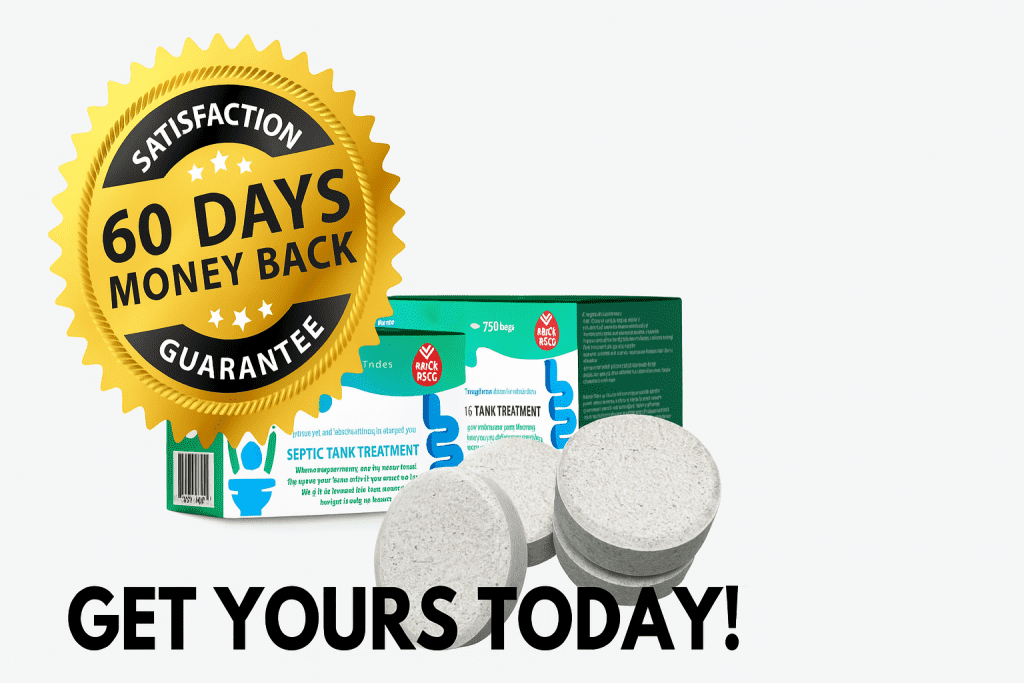
Septifix gives your tank a weekly tune-up. Each tablet releases oxygen and helpful bacteria – biological additives – that settle to the bottom and go to work on sludge from the ground up.
The oxygen lifts odors fast, and the microbes break down grease, paper, and solids that would otherwise linger.
How to use it:
- Dose: one tablet per week
- Method: drop it in the toilet and flush
- Result: oxygen spreads through the tank, bacteria activate within hours, and sludge digestion speeds up
Why compost lovers appreciate it:
- It supports natural breakdown without harsh chemicals, similar to how balanced microbes power a healthy compost pile.
- It helps keep solids lighter between pump-outs, so your routine maintenance goes further.
- It targets smells at the source, which makes bathrooms and garden time more pleasant.
If you want an overview of the benefits of routine checks that pair well with a Septifix habit, this plain-language guide on why septic inspections matter is a quick read.
Key takeaways from the article:
- Regular pumping and inspections prevent clogs and protect your drain field.
- Daily habits like spacing laundry, composting food scraps, and using gentle cleaners slow sludge growth.
- Septifix adds oxygen and bacteria that break down sludge from the bottom up and reduce odors.
- Consistent care costs less than repairs and keeps your system reliable.
Conclusion
Septic sludge builds when solids outrun bacteria, simple habits slow it down, and quick checks catch trouble early. Keep grease out, use gentle cleaners to avoid harsh chemical additions, space water use, and follow a smart septic tank pumping schedule.
A steady helper like Septifix supports the microbes that drive bacterial breakdown in your biological digester, which saves money, protects your drain field, and keeps your garden and local water cleaner, much like a well-balanced compost pile.
Take the easy next step today, start a weekly routine for peace of mind and share these tips with a neighbor who could use them.
For more septic advice, see this friendly guide. Small steps now keep everything flowing and odor-free later.
Thanks for reading, and happy, healthy plumbing at home.
Key takeaways:
- Septic sludge grows when solids enter faster than bacteria can digest them.
- Watch for slow drains, gurgles, odors, bright grass, and wet spots.
- Pump on a schedule, use septic-safe cleaners, and keep grease out.
- Routine treatment supports bacteria, reduces odors, and slows buildup.
- Simple habits cost less than repairs and protect your environment.