

Learn Why Oxygen Matters in Your Septic Tank, how it keeps bacteria active, reduces smells, and helps prevent clogs for a healthier, longer-lasting system.
Bad smells, slow drains, and surprise backups can ruin a weekend. If you are dealing with any of these, an oxygen supply is likely the missing piece.
In short, yes, oxygen matters for effective wastewater treatment because it supports friendly bacteria that clean your tank and calm the stink.
Your septic tank is part of a living septic system. It separates solids, lets liquids move out to the drainfield, and relies on microbes to break down waste.
When oxygen is present, aerobic bacteria work faster, odors drop, and solids break down better.
When oxygen is low, the tank turns sour, and trouble follows—unlike full engineered systems such as ATUs that provide constant aeration.
Here is the simple idea. Add oxygen, help the good microbes thrive, and keep your septic tank steady.
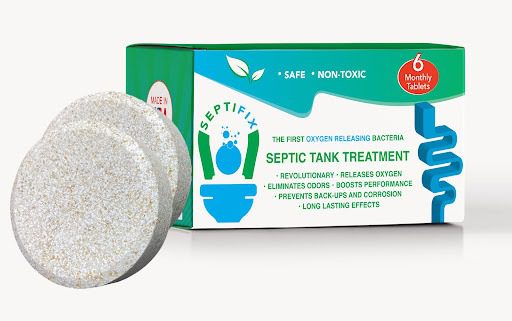
Products like Septifix provide aeration and friendly bacteria in one step, so you get cleaner breakdown and fewer smells without harmful chemicals.
Gardeners love this because it is like giving your compost heap more air for a cleaner, quicker finish.
Key takeaways
- Oxygen helps the tank’s good bacteria break down waste and reduce odors.
- Low oxygen leads to smells, sludge buildup, and higher backup risk.
- Septifix adds oxygen and bacteria, which support faster, cleaner performance.
- Small, steady habits in system maintenance keep your system healthy and your garden happy.
What Goes Wrong Without Enough Oxygen in Your Septic Tank
When oxygen runs low, your septic tank slows down. Waste breaks down poorly, odors rise, and pipes start to struggle.
Think of it like a compost pile that never gets turned.
Without fresh air, everything drags, smells grow stronger, and buildup takes over.
Septifix keeps the septic system active, which helps waste break down faster and keeps the system calmer.
For a quick refresher on how this drives system performance, see the guide on why Septifix works so fast.
It explains how oxygen release wakes up bacteria and reduces sludge growth.
 Slow Waste Breakdown and Sludge Buildup
Low oxygen means the septic tank depends on anaerobic bacteria. These microbes work, but they are slow.
Solids sit longer, sludge grows thicker, and the tank fills faster.
Just like a compost heap that lacks air, organic waste gets heavy, sticky, and slow to change, struggling to break down solids.
As sludge rises, it steals space from the liquid layer. That pushes more solids toward your outlet, which puts your drain field at risk.
The result is more frequent sludge removal and a higher chance of clogs.
Why it matters for daily life:
- More sludge removal, which hits your budget and schedule.
- Slower drains inside the house during heavy use.
- A stressed drain field that can struggle to absorb water.
Adding oxygen speeds up the good microbes and keeps solids in check.
Foul Odors and Hidden Health Risks
Low oxygen often produces harmful gases. Hydrogen sulfide and methane are common in tanks that turn too anaerobic.
Those gases can slip into the yard, or even into the house through vents, and create that rotten egg smell.
No one wants that near a kitchen window.
Odor is not the only concern. Poor breakdown leaves more dissolved organic matter in the effluent going to your drain field.
That can stress soil microbes and reduce natural filtering, leading to high BOD (Biological Oxygen Demand).
If left alone, it raises the risk of contamination and damp spots in the garden.
For a clear overview of common issues connected to poor septic performance, this guide on common septic tank problems is a useful reference.
Simple habits help:
- Spread out laundry loads across the week.
- Keep fats, oils, and grease out of drains.
- Use Septifix regularly to support anaerobic bacteria and reduce odors.
If you are a compost fan, this will feel familiar. Just like aerating a bin to cut smells, oxygen in the tank keeps odor under control and helps the biology do its job.
For broader compost know-how that makes the analogy click, these tips on 6 effective composting methods show how air and balance speed clean breakdown at home.

Clogs That Lead to Costly System Failures
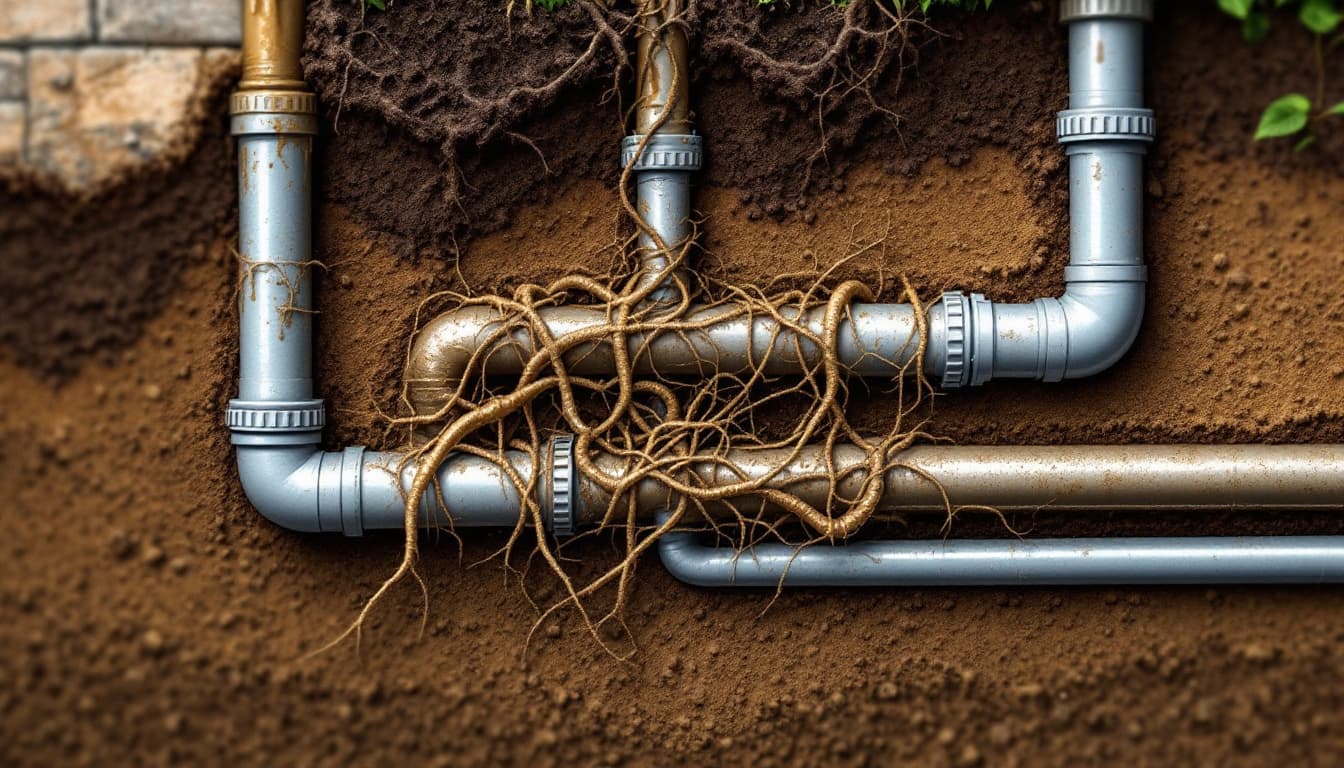
Without enough oxygen, sticky biofilm grows in pipes and across the drain field. Solids move out of the tank more easily, then get trapped in the soil.
Over time, this reduces flow, causes backups, and may force a professional repair.
Roots can find those damp zones and make it worse. Poor wastewater treatment like this hampers overall wastewater dispersal.
 What you might notice first:
- Drains gurgle and sinks empty slowly.
- Soft, wet patches over the drain field.
- Odors near vents or the tank lid.
Prevention costs less than repair. Keeping oxygen active reduces biofilm, keeps solids digested, and protects the drain field.
Many issues trace back to an overgrowth of anaerobic bacteria, especially when oxygen dips.
This primer on anaerobic bacteria in septic tanks explains how that shift happens and why it affects flow and odor.
If your tank needs steady support, Septifix offers an easy routine. The tablets add oxygen and live bacteria, which help prevent clogs and reduce the chance of a field failure.
If you want a beginner-friendly walkthrough, see this overview of Septifix basics for septic beginners.
Key takeaways
- Low oxygen slows down the breakdown, so sludge grows faster and needs more sludge removal.
- Anaerobic conditions create smelly gases and stress your drain field.
- Biofilm and solids clog pipes and soil when oxygen stays low.
- Regular Septifix use supports oxygen and bacteria, which keep the system steady.
- Simple habits and oxygen support can cut smells, clogs, and surprise bills.
How Oxygen Boosts Good Bacteria in Your Septic System
Air feeds the good guys in your septic tank. When it gets in, aerobic bacteria wake up, multiply fast through strong microbial growth, and break down waste like a tidy compost pile after a good turn.
The result is clearer water, thinner sludge, and fewer nasty smells.
Septifix supports this by adding air and helpful microbes, so your septic tank behaves more like a well-aerated compost bin than a swamp.
 ### The Power of Aerobic Bacteria for Efficient Cleanup
Aerobic bacteria love air. Give them that oxygen requirement, and they multiply quickly, then digest fats, proteins, and paper fibers at a strong pace through efficient organic material breakdown.
That fast cleanup lowers sludge growth and keeps solids from drifting toward your outlet.
In low-air tanks, anaerobic bacteria dominate. They work slowly and create gases that smell.
With air present, aerobic bacteria outcompete the slow team and break organics into simpler pieces that the system can handle.
This is the same logic you use in composting. Add air, speed the process, cut the stink.
What changes when air flows:
- Faster breakdown of organics, so the sludge layer grows more slowly.
- Fewer floaters in the scum layer, which protects the outlet and field.
- Lower biological load heading to the drainfield, which protects soil pores.
For a clear primer on how air shifts the balance toward faster cleanup, see this overview of aerobic and anaerobic bacteria in septic systems.
You can also dig deeper into the aerobic bacteria in septic tanks guide for simple air tips and friendly-microbe facts.
Reducing Odors and Extending Tank Life with Aeration
Smells fade when aeration is steady. Hydrogen sulfide, the classic rotten egg gas, drops when aerobic bacteria take control.
Many homeowners notice improvement within days of adding aeration.
In some cases, startup odor settles fast, then disappears as the microbial mix stabilizes, as described in this note on septic aeration and odor reduction.
Better air also supports long-term health. With stronger aerobic digestion in an aerobic environment, the tank sends clean effluent to the drain field.
That keeps soil biology happy and preserves infiltration.
Fewer solids get pushed out, so you reduce the risk of clogs and protect the field’s lifespan. Aerobic processes lower the BOD load, meaning less demanding effluent for the system overall.
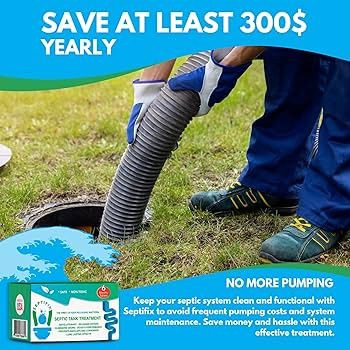
Regular air support can also reduce pumping frequency, which saves money over time.
For a quick take on why aeration helps both speed and stability, this summary of the benefits of septic system aeration is helpful.
While mechanical aeration with air pumps offers an intensive approach for tough setups, simpler methods like Septifix keep things straightforward.
Practical ways to keep air working:
- Use Septifix on a steady schedule to keep the aerobic system and good bacteria active.
- Spread water use throughout the week, which avoids flushing out helpful microbes.
- Keep bleach, solvents, and grease out of the system, since they stress bacteria.
If you enjoy composting, you already know the move. Air helps microbes thrive.
It cuts smell and speeds the cycle. Your septic tank behaves the same way when air is part of the routine.
Key takeaways
- Air fuels aerobic bacteria, which eat waste faster and cleaner.
- Aeration reduces odors by limiting hydrogen sulfide from anaerobic activity.
- Steady air support can extend drainfield life and reduce pump-outs.
- Septifix makes air and bacteria easy to add, keeping your system calm and efficient.
Why Septifix is the Smart Choice for Oxygen in Septic Tanks
Keeping oxygen active in your septic tank is like turning your compost pile. Air wakes up the good microbes, cuts smells, and speeds up breakdown.
Septifix makes that easy.
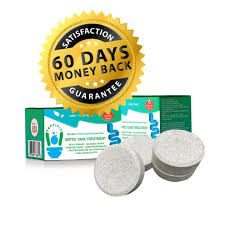
The tablets add oxygen supply and helpful bacteria in one move, so your septic tank runs cleaner with less fuss.
 Image created with AI
How Septifix Tablets Work to Add Oxygen and Bacteria
Think of Septifix like a monthly “turn” for your tank’s biology. You drop the tablets in the toilet, flush once, and let the science do the work.
This simple system maintenance routine keeps things running smoothly without extra effort.
- Drop the tablets once a month. The tablet sinks and starts to dissolve, providing aeration through tiny bubbles.
- Oxygen gets released. That oxygen feeds aerobic bacteria, the fast cleaners.
- Enzymes and bacteria wake up. They scour stuck-on grease, paper fibers, and protein waste.
- Sludge breaks down faster. The solids get lighter and easier for microbes to digest.
- Odors drop quickly. Less hydrogen sulfide means fewer rotten egg smells near vents and lids.
- Flow stays steadier. With fewer solids and less sticky biofilm, drains move better.
If you are new to composting, this is the same idea as giving your pile a good mix.
More air, faster change, less stink. For a simple at-home refresher on how air speeds natural cleanup, see these friendly steps for starting composting at home.
The mindset carries over perfectly to your septic system.
Curious about product details and common results from homeowners?
The page for the Septifix septic tank treatment tablets outlines oxygen release, bacterial action, and typical odor timelines.
Real Benefits: Cleaner Tanks and Happier Homes
You want fewer smells, fewer clogs, and fewer surprises.
Septifix helps you get there with a simple routine that boosts beneficial microbial growth.
What many homeowners report:
- No more lingering odors. The oxygen supply pushes out the stink by helping aerobic microbes dominate.
- Fewer clogs and backups. Enzymes and bacteria reduce sticky buildup that slows flow.
- Lower pumping frequency. Faster digestion means sludge does not pile up as fast.
- A calmer drain field. Cleaner effluent puts less stress on soil pores and keeps water moving.
Helpful real-life scenarios:
- The weekend fixer: You notice slow sinks after big laundry days. A month after using Septifix, drains clear faster, and that faint egg smell near the vent fades.
- The garden guardian: You spot damp patches above the field in spring. With steady oxygen support, water disperses better and soft spots recede.
- The budget saver: Pump-outs every year used to hurt. With stronger microbial action from monthly tablets, you stretch that schedule and worry less.
Want a seasonal checkup routine?
A simple calendar approach keeps things smooth and stress-free.
Try these quick composting calendar tips and apply the same rhythm to your septic care, like scheduling tablets and spacing heavy water use.
If you prefer to read brand info straight from the source, the official Septifix product overview explains their oxygen-first formula and typical odor improvements.
Key takeaways
- Septifix adds oxygen supply and helpful bacteria in one easy monthly step.
- Oxygen speeds digestion, reduces odors, and helps prevent clogs.
- Many homes see clearer flow, better system performance, and fewer pump-outs with steady use.
- A simple schedule pairs well with compost habits, so septic system maintenance stays easy.
Conclusion
Oxygen keeps your septic tank calm, clean, and moving.
It powers aerobic bacteria, cuts odors, and helps solids break down before they reach the drain field.
When oxygen dips, smells rise, sludge grows, and backups become likely.
If you want a simple, steady fix, try Septifix. It supports oxygen and helpful microbes, similar to turning a compost pile for fresher, faster results.
For a greener routine at home, these friendly tips for greens and browns in compost make the connection clear and help you waste less.
Ready for sweeter air and smoother flow?
Start today, then explore more guides on the site to keep your system and garden happy.
Key takeaways
- Oxygen prevents sludge growth, odors, and clogs.
- Aerobic bacteria work faster and leave clean effluent.
- Regular Septifix use supports stable, low-odor performance.
- Compost-style habits, like balanced inputs, reinforce long-term system health.