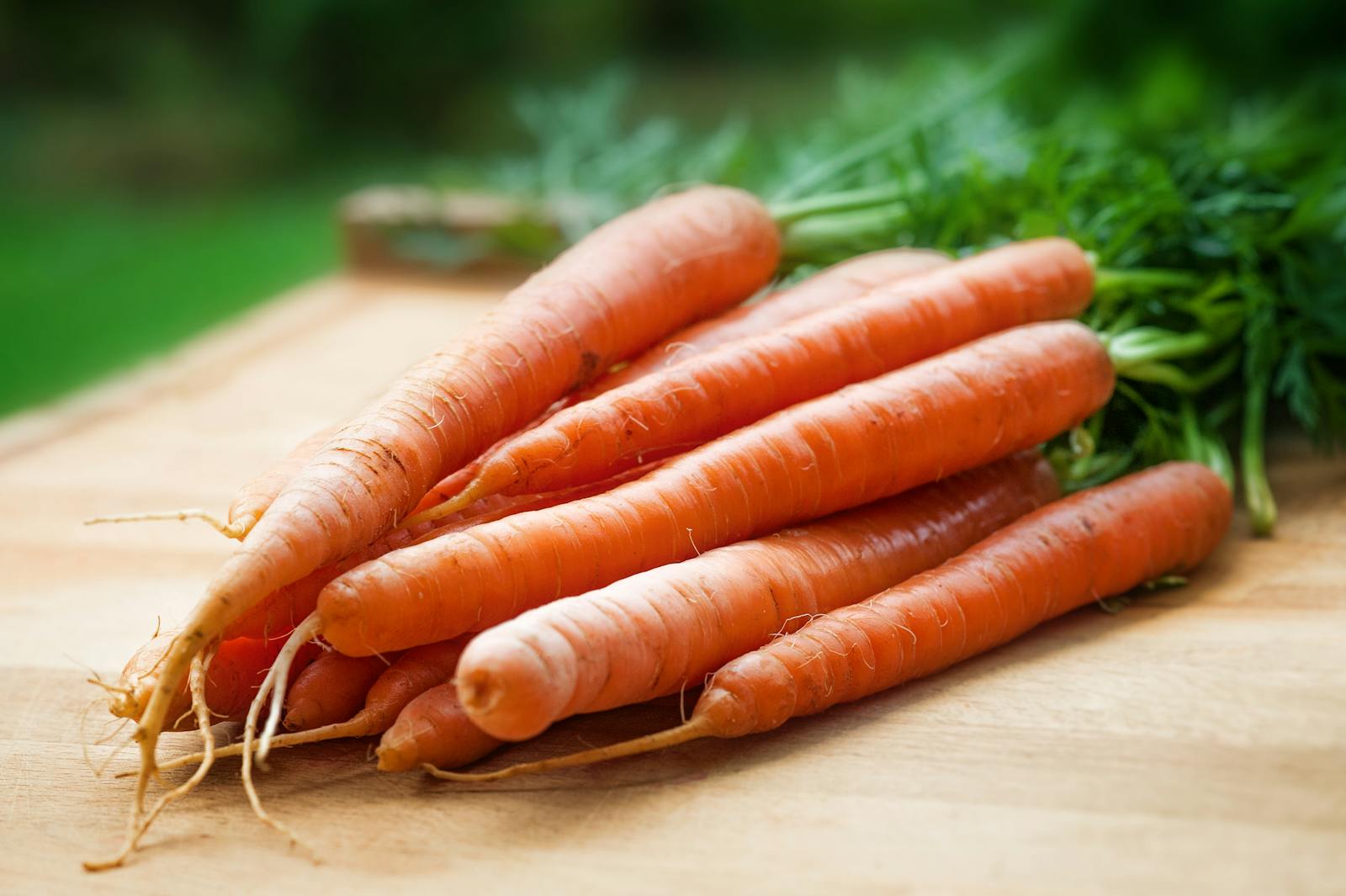
How to Grow Sweet, Healthy Carrots Every Time
If you want to grow the sweetest, crunchiest carrots, choosing the right carrot compost is key. Composting is nature’s way of recycling kitchen scraps, garden waste, and even cardboard into rich, crumbly soil that carrots love.
Compost is simply broken-down organic material that feeds your soil and helps roots grow strong.
Composting at home can be as simple as piling up scraps or as neat as using a compost tumbler to speed up the process.
Vermicomposting uses worms to break down waste even faster, producing a soft, dark compost that’s perfect for carrot beds.
Healthy compost gives carrots the loose, nutritious soil they need, which means tastier results in every harvest.
Here’s what you’ll learn in this article:
- What composting is, and why it matters for healthy carrots.
- The value of compost, composting, vermicomposting, and compost tumblers.
- Tips for making your own top-quality carrot compost at home.
- Easy ways to start composting, whether you’re a beginner or experienced gardener.
No fancy equipment needed—just some know-how and a little patience. Whether you want to recycle kitchen scraps, help the planet, or simply grow better carrots, you’re in the right place.
For those interested in large batch methods, check out the 300L Garden Composter Bin as a sturdy, eco-friendly solution to manage more organic waste.
What’s the Best Compost for Carrots?
A common question for carrot lovers is simple: what’s the best carrot compost? While growing sweet, straight carrots starts with the right seed and soil depth, the type of compost you use sets the foundation for even growth and vibrant flavor.
Carrot roots are picky and want soft, well-draining soil with balanced nutrients—too rich or too dense, and you’ll get forked, hairy, or stunted carrots.
Let’s look at the essentials for making compost that carrots love, point out common pitfalls, and see how tools like vermicomposting and compost tumblers can help.
Essential Compost Ingredients for Carrots
 Photo by Denise Nys
Carrots want compost that’s crumbly, not heavy or chunky. The best carrot compost starts with a good mix of “green” and “brown” materials. Here’s what works:
- Green materials: Grass clippings, vegetable peels, coffee grounds, and garden trimmings offer nitrogen.
- Brown materials: Dry leaves, shredded cardboard, straw, and paper add carbon for structure.
Getting the balance right keeps compost healthy for carrot roots.
If your pile is too rich in nitrogen (from too much “green”), it can lead to lush tops and weak or split roots.
A few carrot-centric compost tips:
- Aim for a loose texture—no big chunks, clumps, or woody sticks.
- Keep the compost well-aged. Fresh or “hot” compost can burn tender roots.
- Avoid lots of manure; overdoing it can cause twisted roots or too much leaf growth.
Carrots thrive in compost with a gentle, even nutrient level and loose structure.
For a deeper dive on the science, check out Balancing Nitrogen and Carbon in Compost for step-by-step advice and handy examples.
Key takeaway? Aim for compost that crumbles through your fingers—never dense, sticky, or clumpy.
Well-balanced compost supports long roots and gives carrots their signature crunch.
Common Mistakes When Choosing or Making Carrot Compost
Even seasoned gardeners slip up sometimes. Carrots are easy, but their delicate roots reveal every compost mistake.
Here are some common pitfalls, with simple fixes:
- Heavy, dense compost: Packed compost blocks fragile roots and stunts growth. Always mix in plenty of brown materials and sift your finished batch for a light, fluffy feel.
- Using unfinished compost: Compost that’s still breaking down might be too strong or hot for carrots. Let your bin mature until the mixture smells earthy and looks like dark, crumbly soil.
- Excess manure or high-nitrogen inputs: Too much manure or fresh grass leads to forked, hairy, or misshaped carrots. Stick to moderate amounts and always let manure age thoroughly.
- Poor drainage: If compost stays soggy, it can rot carrot seeds or roots. Add dry material (like straw or cardboard) to improve texture and water movement.
Easy ways to avoid trouble:
- Let compost “cure” before using it.
- Sieve large pieces out and return them to the bin for more breakdown.
- Avoid using pet bedding or cocoa shells that could harm root crops.
For a fun read on what NOT to do (and how to fix mistakes), you might enjoy 8 Common Composting Mistakes (and How to Fix Them), packed with easy solutions and tips from experienced gardeners.
The Role of Vermicomposting and Compost Tumblers in Carrot Compost
Vermicomposting—using worms to break down food scraps—creates a rich, dark compost that’s especially gentle for carrots.
Worms eat scraps and leave behind castings that naturally balance nutrients and help soil structure.
This makes the resulting carrot compost soft, crumbly, and low in salts, which carrot seeds love.
Compost tumblers, on the other hand, speed things up and keep the mix well-aerated. Regular turning means even breakdown and fewer clumps—a win for carrot roots.
Tumblers can help time your compost batch so it’s fully mature by spring planting.
Both methods deliver:
- Faster decomposition (compared to classic, slow piles)
- Consistent moisture and air flow for even texture
- Fewer weed seeds and pathogens in your finished compost
If you’ve ever wished for a cleaner, simpler way to make top-notch compost, see how a tumbler can make backyard dreams come true in Backyard Dream with Garden Compost Tumbler.
For worm bin tips, look for finished castings dark as chocolate cake—perfect for sensitive carrot roots.
In short: carrots love compost made with care—balanced, sifted, and never rushed.
Whether you choose classic piles, worm bins or a compost tumbler, the right carrot compost means sweeter, straighter, and crunchier carrots—every time.
How to Compost at Home for Better Carrots
Ready to turn kitchen scraps and yard waste into gold for your carrot patch? Home composting is easy, fun, and gives your carrots the perfect soil to grow sweet and straight.
Whether you’re just starting or looking to fine-tune your process, making the right carrot compost will help your harvest thrive.
Let’s keep things simple and set you up for success with some friendly, expert-backed advice.
Getting Started: Composting Basics and Methods
 Photo by MART PRODUCTION
Making carrot compost starts with a few easy choices. Composting is just letting nature recycle food scraps and yard trimmings into rich, crumbly soil.
The best part? Anyone can do it, indoors or out. Not sure which method is right for you?
Here’s a quick guide to your main options:
- Outdoor compost piles are simple and classic. Just heap your greens and browns in a garden corner, mixing now and then for air.
- Compost bins keep things neat. These range from basic wooden frames to sturdy plastic bins you can tuck anywhere there’s space.
- Compost tumblers add convenience. Tumblers seal everything inside and make turning your pile as easy as spinning a handle. This helps speed up the process and cuts down on any mess.
- Worm bins (vermicomposting) are great indoors or on a balcony. Red worms quickly munch up fruit and veggie peels, producing a gentle, nutritious compost carrots love.
Want a quick comparison of each method? Visit 6 Effective Composting Methods for pros, cons, and step-by-step instructions for every style.
Key advice for beginners:
- Choose a spot with good drainage and airflow.
- Start small, so you can manage your pile easily.
- Mix materials well for balance—aim for about half green (wet) and half brown (dry).
If you’re looking for more guidance on starting your first compost bin, see this helpful primer on Composting At Home | US EPA.
Composting Do’s and Don’ts for Carrots
Carrots are fussy about soil, so your compost needs a bit of extra love.
Stick to these do’s and avoid the don’ts, and you’ll be on your way to healthy carrot compost.
Composting Do’s for Carrots:
- Do add a mix of greens and browns. Greens feed the pile (think veggie scraps), browns keep it airy and soft (like shredded paper or leaves).
- Do keep the pile damp, but not soggy. Like a wrung-out sponge. Water if it’s dry, cover if it pours.
- Do turn or mix your compost every week or two. This aerates the pile and keeps it breaking down evenly, making your finished product light and fluffy.
- Do sift or screen your finished compost. Remove sticks and large bits so your carrot roots aren’t blocked as they grow.
- Do let your compost mature. Finished compost should be dark and smell earthy, with no chunks of original material.
Composting Don’ts for Carrots:
- Don’t overload with fresh manure. Too much can burn your carrots or make roots fork and twist.
- Don’t add meat, dairy, or oily foods. These attract pests and can slow down composting.
- Don’t let your pile get waterlogged. Poor drainage leads to sour smells and soggy compost—bad news for carrots.
- Don’t put in large sticks, thick branches, or glossy paper. These don’t break down quickly and can tangle up your carrot roots.
- Don’t use unfinished compost. If it’s still hot, it can hurt your delicate carrot seedlings.
Think of carrot compost like making a cake: the right mix of ingredients, a little patience, and some gentle mixing lead to the best results.
It helps to set a schedule. Use these composting calendar tips to know what to add and when.
For a quick refresher on compost basics, this handy guide on Composting 101 lays out the process in plain language.
Key takeaways for better carrots:
- Start small, keep things balanced, and use the right materials.
- Don’t rush—compost that’s fully broken down gives carrots a happy home.
- Regular turning and the right moisture are simple tricks that make a big difference.
With these cheerful, practical steps, you’ll enjoy healthier, sweeter carrots from your own home-grown compost.
Tips for Healthier Carrots Using Home Compost
Great carrot compost can make all the difference between scrawny roots and vibrant, crunchy carrots.
Whether your goal is a bumper crop or just a few for lunchboxes, how and when you use your homemade compost sets the stage for healthy growth.
Even better, quality carrot compost can help keep pesky problems at bay so you spend more time picking and less time worrying.
When and How to Apply Compost for Carrots:
Step-by-step timing and application instructions
 Photo by SHVETS production
Think of carrot compost like the perfect mattress—neither too firm nor too soft.
Give your carrots a comfy bed and they’ll thank you with straight, plump roots.
Start with timing:
- Compost needs to be fully broken down before using. If you’ve got a compost tumbler, let the mix go dark and crumbly for at least three months. Vermicomposting produces ready-to-use castings in about two to three months.
- Add carrot compost to your beds in early spring—before sowing seeds—or in autumn if you want to give your soil a jump start for next year.
Now for the how:
- Spread a thin layer (about 2-2.5 cm or 1 inch) of finished compost evenly over your carrot bed. This gives your seeds a gentle, nutrient-rich start. Any more can hurt rather than help, making roots fork or go fuzzy.
- Mix compost into the top 10-15 cm (4-6 inches) of soil. Use a small fork or rake. Imagine fluffing a pillow: you want the soil soft, but not packed tight.
- Don’t dig too deep. Carrots dislike soil that’s been over-turned. Keep things light on top.
- Sow carrot seeds directly—skip starting in pots, as roots thrive best when undisturbed.
- Water gently after planting, keeping the bed moist but not soggy.
If you like analogies, here’s one: using compost for carrots is kind of like adding the right amount of chocolate chips to cookies—you want enough for sweet results, but not so many that the cookies fall apart!
For expert details and extra advice on perfect compost measures for carrots, see the guidance at How to Grow Carrots in Your Garden – USU Extension.
Avoiding Carrot Pests and Problems through Composting
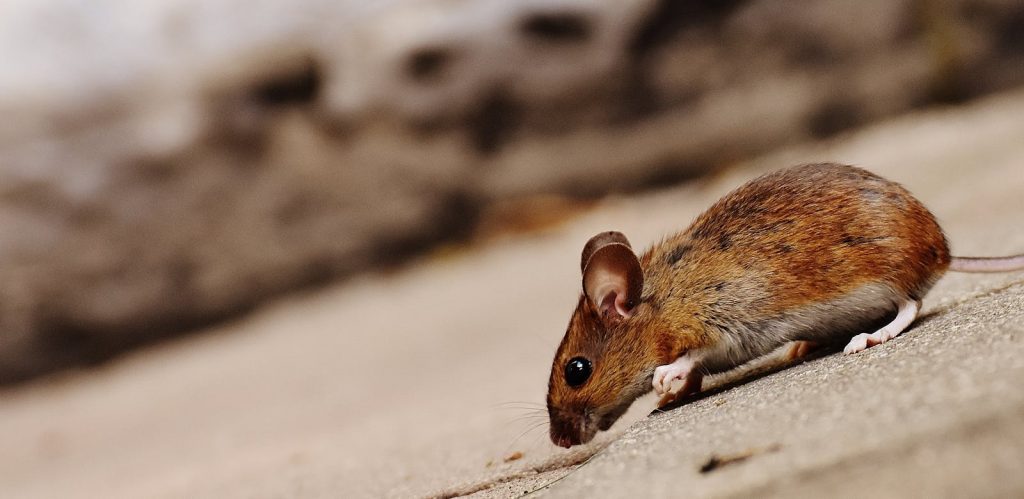
Good carrot compost doesn’t just feed your plants; it acts a bit like a bodyguard, too.
Balanced compost keeps roots healthy and less attractive to pests, and supports strong, disease-resistant growth.
Here’s how composting and vermicomposting work together to help carrots stay out of trouble:
- Healthy compost creates rich soil life. Good bugs and microbes crowd out the bad ones that target carrots.
- Balanced nutrients lower the chance of pests like carrot fly or root rot taking hold. Carrot roots need just-right nutrition—not too much nitrogen, or you’ll get leafy tops but scrawny roots.
- Fluffy composted soil drains well, so your carrots don’t get soggy and moldy.
Some simple steps help reduce future headaches:
- Use sieved carrot compost or vermicompost for seed beds to keep the texture smooth and free of chunky bits.
- Rotate where you grow carrots each year—don’t invite last year’s bugs to a carrot reunion!
- Water at soil level and avoid getting leaves wet, which can attract fungus.
If you’re curious how composting ties into pest prevention, take a look at 10 Carrot Growing Problems and How to Prevent Them.
For even more tips on steering clear of carrot pests organically, you’ll find helpful guidance in How to Manage the Most Common Pests for Carrots, which explains why compost and rotating crops really work.
For a seasonal checklist relevant to keeping compost balanced and carrots happy, visit the handy Composting Calendar Tips.
Healthy soil, happy carrots, fewer worries! Consistent use of home compost or vermicomposting is your best bet for a thriving, pest-resistant carrot patch.
Conclusion
The best carrot compost is gentle, crumbly, and balanced, giving your carrots the perfect start for straight roots and a sweet crunch.
Knowing how to build and apply carrot compost—whether with classic piles, a compost tumbler, or worm-powered vermicomposting—sets you up for a steady supply of garden-fresh carrots.
Keep exploring new ways to recycle food and yard scraps. For even more ideas, try the Don’t Toss It Compost Guide and see how simple changes at home add up to less waste and better harvests.
Key takeaways:
- Carrot compost should be soft, not lumpy, and never too rich.
- Balance green and brown materials for a healthy compost pile.
- Allow compost to mature fully before adding to carrot beds.
- Composting, vermicomposting, and compost tumblers each offer simple paths to better soil and healthier carrots.
- Regular compost use supports strong roots and helps prevent common carrot problems.
Thank you for joining in and learning more about carrot compost and composting. What will you try in your next batch?
Share your personal composting wins or tips with us, and check out more composting tips and tricks for your next garden project.
Happy composting!
Carrot Compost FAQ
Every gardener has questions when picking the best compost for carrots. Carrot compost can feel puzzling at first, but a few home-grown answers make things clear.
This FAQ sets out to tackle the top queries about compost, composting, vermicomposting, and compost tumblers so you can put your worries to bed and focus on growing sweet, healthy carrots.
What is composting, and why does it matter for carrots?
Composting is the simple act of recycling kitchen scraps, leaves, and other plant materials until they break down into dark, rich soil.
It returns nutrients to the earth, keeps your garden healthy, and even cuts down on rubbish. For carrots, composting matters because it makes soil loose and full of food—exactly what carrot roots need to grow long and sweet.
You don’t need fancy tools or deep science to start, just the right mix of “greens” (like veggie scraps) and “browns” (like dry leaves).
For a basic primer, see Composting 101 for friendly details. If you want to know why it matters for your kitchen and planet alike, the Top five reasons to compost will inspire anyone to give it a go.
Does carrot compost need to be different from other compost?
Carrot compost isn’t a secret blend—it’s just regular compost with a little extra care. Carrots love loose, soft soil that’s not too strong.
Compost for carrots should be crumbly, fully broken down, and never clumpy. Avoid adding too much manure or thick, sticky materials, which can make the roots split or fork.
Fine-textured compost gives delicate carrot seeds the best start.
Want to try something new or build perfect compost beds? Pick up tips to start your sustainable journey with Starting Composting at Home.
What if my compost is too strong for carrots?
If your carrot compost is fresh—sometimes called “hot”—it could hurt young roots. Compost needs time to cool down and break apart before adding to your carrot bed.
Signs that compost isn’t ready include strong smells, visible bits of food, heat, or lots of bugs. Let it sit for a few weeks, then sift for any big chunks.
When it smells earthy and looks like rich soil, you’re good to go.
How does vermicomposting help with carrots?
 Photo by Sippakorn Yamkasikorn
Vermicomposting uses worms—usually red wigglers—to eat veggie scraps and turn them into smooth, dark castings.
This compost is gentle, has loads of good microbes, and balances soil nutrients. For carrots, vermicompost feels soft and crumbly in your hands, perfect for supporting those long roots.
Plus, it’s low in salts, so carrot seedlings aren’t hurt.
Explore more benefits at Vermicompost: The Organic Game-Changer for Your Garden.
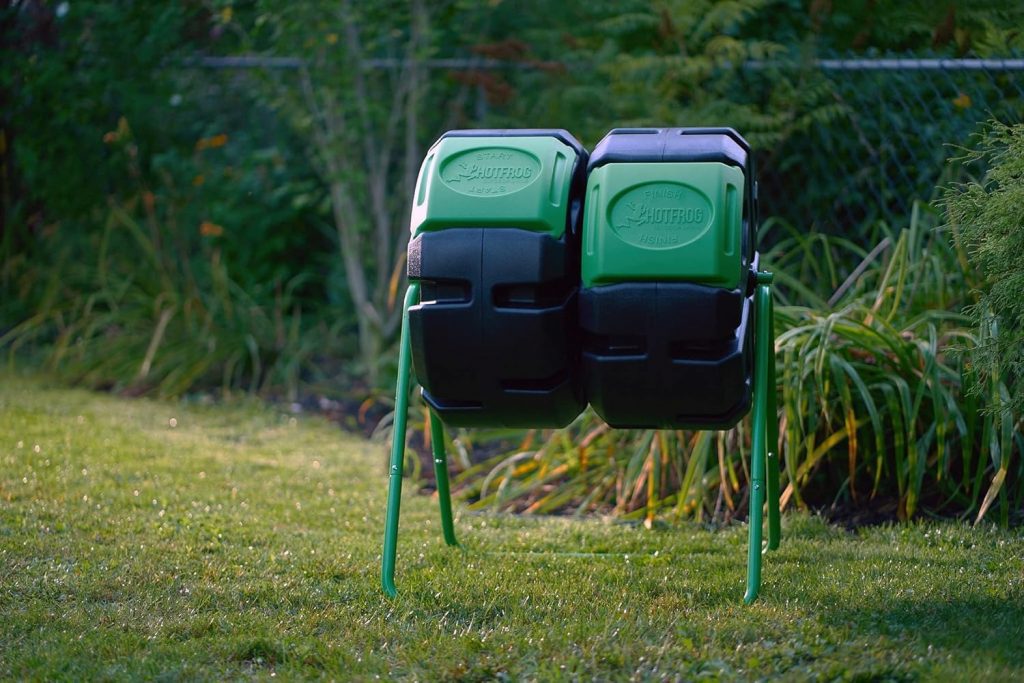
What about using a compost tumbler for carrot compost?
Compost tumblers make your life easier by mixing compost for you, keeping air and moisture balanced. This helps break down materials faster and more evenly.
For carrots, a tumbler means less chance of dense, chunky compost.
The final result is fluffy and ready for your beds or containers. Tumblers are also tidy, pest-resistant, and save your back—no forking or shoveling needed.
For step-by-step help choosing the right style, see 6 Effective Composting Methods.
How much carrot compost should I use in the garden?
A good rule is to mix a layer of finished carrot compost about 2-2.5 cm (an inch) thick into the top 10-15 cm (4-6 inches) of your carrot bed.
More isn’t always better—too much compost can make roots fork or split. Less, well-mixed compost keeps your soil loose and roots growing straight.
Can I make carrot compost in a small space or flat?
Yes! A small compost bin, worm bin, or even a balcony-friendly compost tumbler works well. Vermicomposting bins are especially handy for flats and don’t smell if run properly.
Tuck your bin under the sink or in a closet, and you’re on your way to making healthy carrot compost even in tight quarters.
If you need creative solutions for city spaces, tips in Don’t Toss It Campaign have plenty of ideas.
Can I compost carrot tops and peels?
Carrot tops and peels break down quickly and are perfect for the compost pile. Just remember to mix them with enough brown material, like shredded paper or dried leaves, to stop the pile from going soggy.
Your own carrot leftovers help fuel next year’s harvest!
What’s the biggest mistake to avoid with carrot compost?
Don’t rush! Using compost that isn’t fully broken down is the top mistake. Stick to finished, cool, and crumbly compost.
Sift out any tough bits—large twigs, half-rotted veggies, or foreign material—and return them to your compost bin or tumbler.
Always check the texture before you add it to your soil.
Key Takeaways
Here are the most important points from our carrot compost FAQ:
- Carrot compost should always be fully broken down and crumbly.
- Avoid fresh manure and unfinished compost to protect carrot roots.
- Vermicomposting and compost tumblers are both excellent, hassle-free methods.
- Adding only a thin layer of compost keeps carrots sweet and straight.
- Small spaces are no barrier to making great carrot compost—worm bins and small tumblers work wonders.
- Composting kitchen scraps, including carrot peels and tops, builds better soil for your next harvest.
For more answers or to ask your own compost question, try the easy-to-use Ask A Question Tool at Compost Charm.
Share your tips, learn something new, and let the carrot patch thrive!