The Simple Truth About Composting Your Daily Brew
Coffee pods are everywhere—you see them stacked in kitchens, offices, and even tiny flats. As more people brew their daily cup at home, interest in composting and living greener is rising right along with it.
But can you actually compost coffee pods, or do they belong in the rubbish bin?
Good news: some coffee pods are compostable, but not all, and knowing the difference can help you shrink your waste and make better compost.
Composting means turning food scraps, paper, and other plant-based waste into rich soil for your garden and houseplants.
It’s a simple step with big benefits for you and the planet: less landfill, better soil, and cleaner communities. When you add composting to your morning routine, small changes—like composting coffee pods—add up fast.
In this post, you’ll get practical advice on how to compost coffee pods at home, no matter if you use a compost tumbler, a classic bin, or even give vermicomposting a try.
We’ll look at what composting is, why it matters, and how to make your coffee routine waste-free.
By the end, you’ll know what works, what doesn’t, and why composting really is as easy—and rewarding—as making your favourite cup.
If you’re ready to jump in, explore tips like these 6 Effective Composting Methods along the way.
What is Composting and Why Should You Care?
Composting is more than just tossing banana peels and coffee grounds into a bin.
It’s a natural way of turning kitchen scraps and yard waste into something magical: dark, crumbly compost that helps plants grow and gardens thrive.
As you dive into composting—especially with compost coffee pods—you join a quiet movement making real change for yourself and for the planet.
But how does it work, and does it really matter if you compost that coffee pod or not?
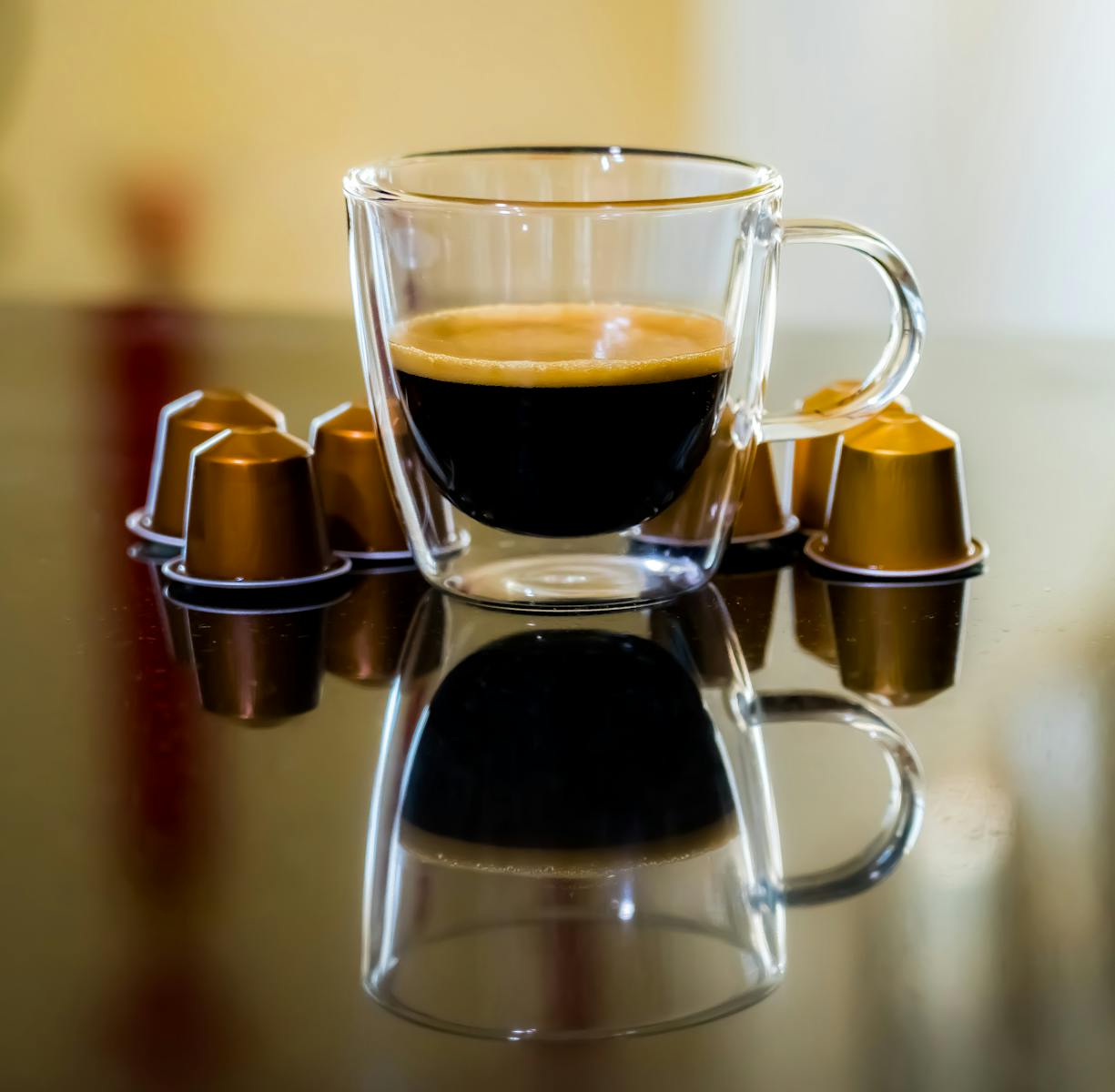
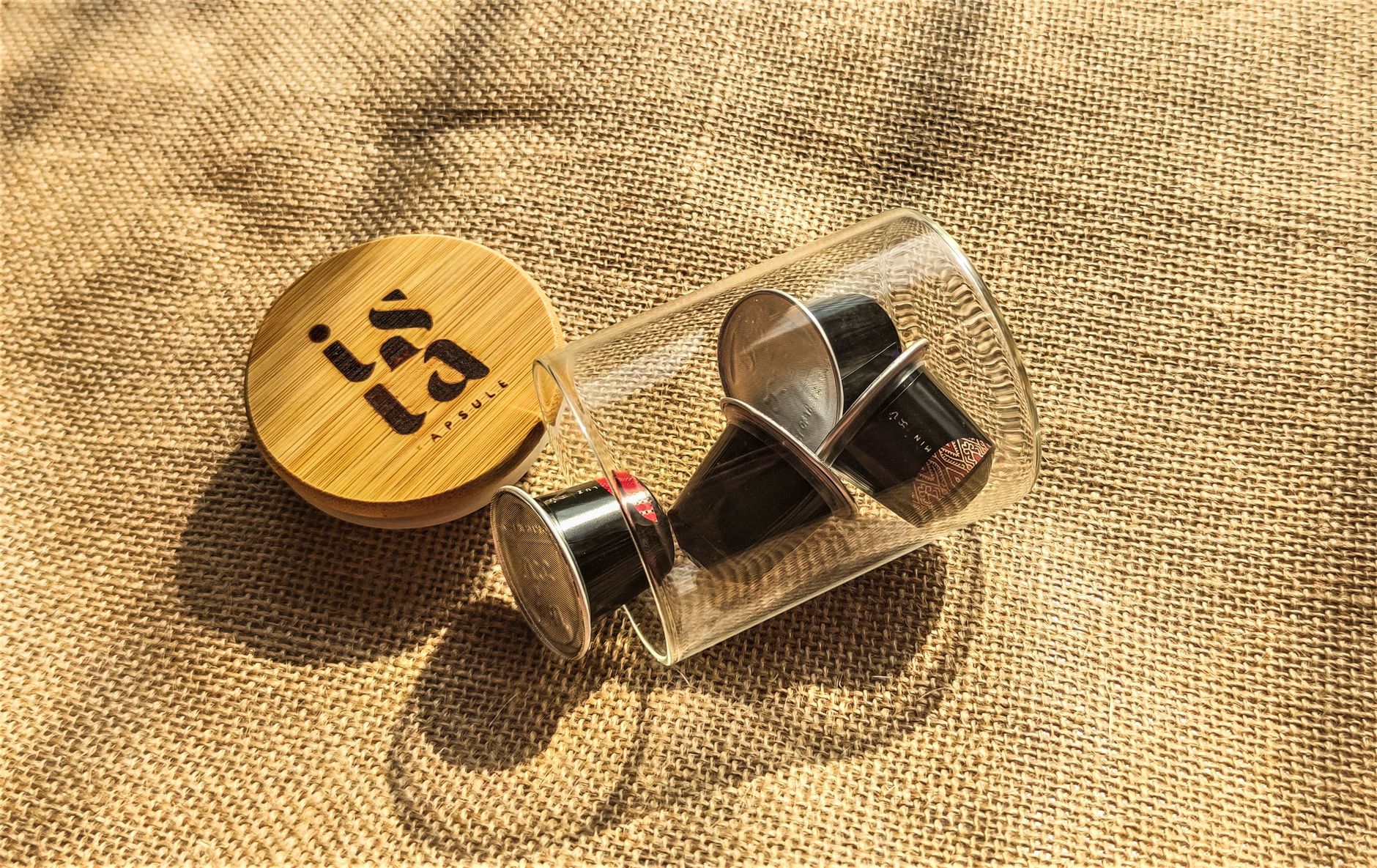 Photo by Cherry Lim
What is Composting?
Composting is nature’s recycling. Microbes, worms, and tiny insects break down organic stuff—like fruit peels, veggie scraps, and yes, some coffee pods—turning it into compost.
This finished compost is rich in nutrients and feeds your plants better than store-bought fertilizers ever could.
Here’s what usually goes in:
- Food scraps: Fruit and veg trimmings, eggshells, old bread.
- Paper products: Napkins, coffee filters, some paper packaging.
- Yard waste: Leaves, grass clippings, twigs.
Composting keeps these materials out of landfills and transforms them into something every garden craves.
If you want the basics, check out this helpful guide: Composting 101.
Can You Compost Coffee Pods?
Not all coffee pods are the same. Traditional plastic and aluminium pods shouldn’t go in your compost bin.
Compost coffee pods, on the other hand, are designed to break down in home composting systems—or in some cases, industrial facilities.
Look for labels like “home compostable” or “certified compostable,” and check if the pod needs to be emptied first (sometimes only the coffee and filter are compostable, not the lid).
For those serious about a zero-waste brew, compost coffee pods can be buried in your garden bin, added to a compost tumbler, or even put into a worm bin for vermicomposting—double win!
Why Should You Care About Composting?
Every time you compost, you shrink your rubbish bin, protect the climate, and feed your garden—all in one move.
Here’s what happens when we choose to compost coffee pods and other scraps:
- Landfill Savings: Composting diverts waste from landfills, cutting down methane—a greenhouse gas way worse than carbon dioxide.
- Healthier Soil: Finished compost adds life to your garden. It holds water, brings in helpful bugs and worms, and feeds plants from the roots up.
- Cleaner Communities: Less trash out front means fewer pests, cleaner streets, and happier neighbours.
- Simple Green Routine: Adding composting to your daily kitchen rhythm is quick and rewarding. Those little changes, like composting your coffee pods, add up fast.
The science behind composting is fascinating and easy to follow. You can learn more about the details in this quick explainer from the US EPA’s composting page.
Making Composting Easy With Tools Like Tumblers and Vermicomposting
You don’t need a farm or even a big backyard. Compost tumblers keep things tidy and turn scraps into compost faster with a spin (and no animals poking around).
If you want to keep things indoors, try vermicomposting—let worms eat your scraps and turn them into plant food.
Both methods work well for compost coffee pods that break down safely and quickly.
Ready to start at home? Try these tips for starting composting at home to make your first bin or tumbler less overwhelming.
What Goes Wrong If You Skip Composting?
Throwing coffee pods (even compostable ones) in the rubbish means they end up in landfill, where they break down slowly, if at all.
Without oxygen and helpful microbes, they produce harmful gases, and no plants get the benefit. It’s like tossing away tomorrow’s soil.
Composting stops that cycle and keeps the good stuff close to home.
What’s Next?
If you’re ever stumped about composting or unsure about a coffee pod, the Compost Charm Ask A Question tool gives instant, friendly advice.
And remember, composting is a habit that can grow with you—start small, get curious, and your kitchen scraps can make a real difference.
Can You Compost Coffee Pods? The Facts and Myths
Compost coffee pods are a hot topic among eco-minded coffee fans and anyone looking to shrink their kitchen waste.
With all the packaging claims and new brands on the shelf, it’s easy to get confused—can you actually toss these pods into your compost, or are you just adding to the pile of half-truths?
Let’s debunk the myths and see what’s really possible when composting coffee pods at home, whether you use a traditional bin, vermicomposting, or a compost tumbler.
What Makes a Coffee Pod Compostable?
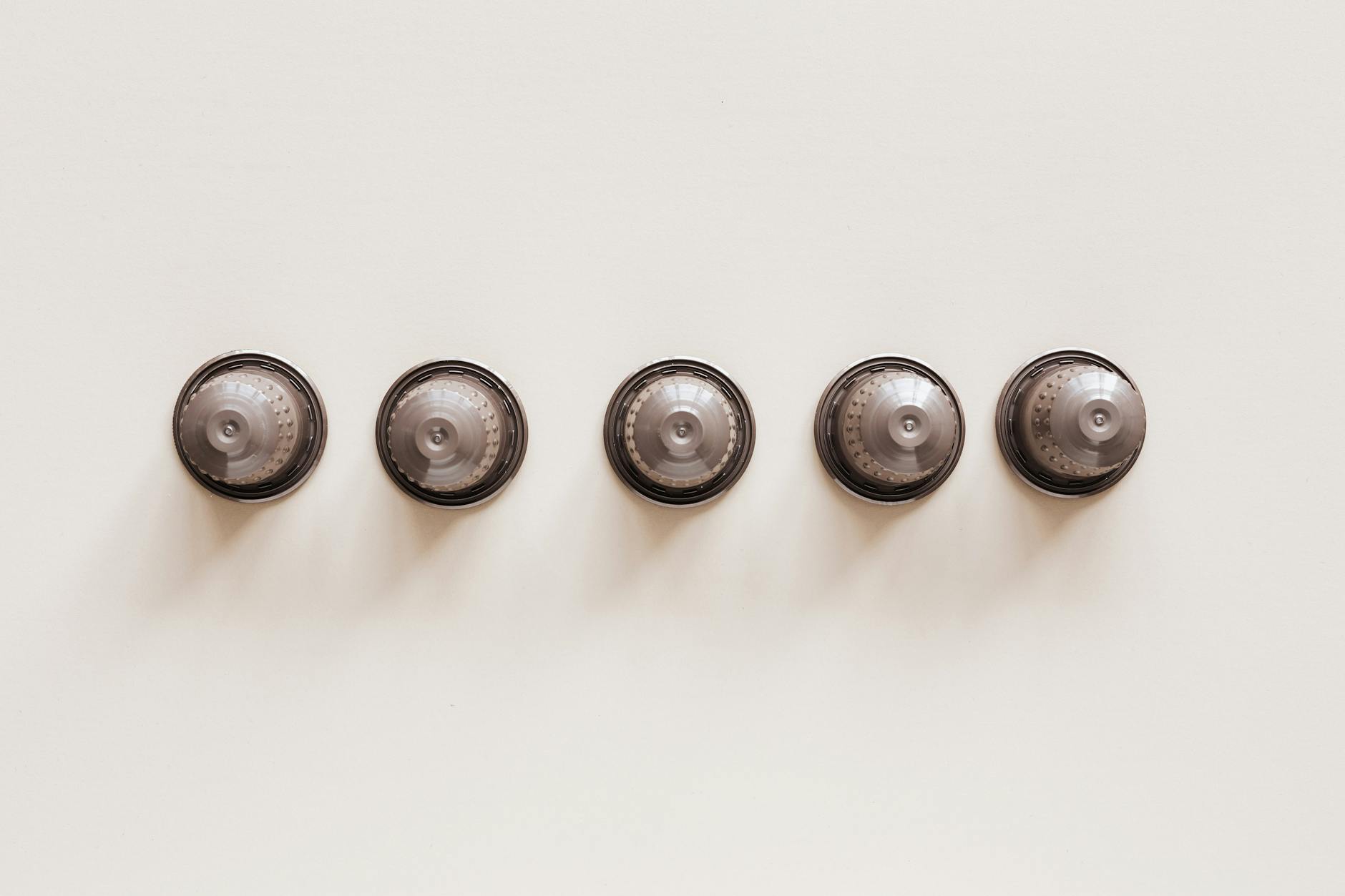 Photo by Kaboompics.com
Compost coffee pods are not all created equal! The trick is to know what to look for before adding them to your compost pile.
Here’s what sets truly compostable coffee pods apart:
- Materials: Compostable pods are made from plant-based plastics, paper, or materials like cornstarch. If it feels like plastic but says it’s plant-derived or “PLA,” it could be compostable, but double-check the label!
- Certifications: Look for official logos such as “Industrial Compostable,” “Home Compostable,” or EN 13432. These certifications mean the pod has passed strict tests and will break down properly under certain composting conditions.
- Compostable vs. Biodegradable: “Compostable” means the material breaks down fully into safe, non-toxic soil (often within a specific time period), leaving no trace or harmful residue. “Biodegradable,” however, may just mean it eventually breaks down—sometimes over years or decades, and not always in a home compost bin.
Why does this matter? If a pod only claims to be “biodegradable” without the compostable certification, it might linger in your bin for ages.
You want pods that return safely to the earth, not just break into tiny pieces. For a deep dive into real facts (not just marketing claims), this Compostable Coffee Pods: THE FACTS About article is a handy reference.
If you’re still unsure, check the package or brand website, or use Compost Charm’s Ask A Question tool for quick help.
Coffee Grounds vs. Coffee Pods: Composting Differences
Let’s clear up the difference between composting old coffee grounds and tossing an entire coffee pod in the compost bin.
Coffee Grounds:
- 100% compost-friendly!
- Rich in nitrogen, they’re the “green” material that helps heat up and energize your compost.
- Works in all systems: classic bins, tumblers, and even worm bins for vermicomposting.
Coffee Pods:
- Only compost pods with clear “compostable” or “home compostable” certification.
- Standard plastic or aluminium pods belong in the rubbish (unless specially labelled for recycling in a pod recycling scheme).
- Even with compostable pods, sometimes the lid or label isn’t compostable—remove any foil or plastic before composting.
Quick Do’s and Don’ts:
- Do empty coffee grounds from any pod if unsure about the capsule itself.
- Do confirm pod packaging before adding to your pile.
- Don’t toss regular plastic pods into your compost heap—they’ll only cause headaches later.
- Do add compost coffee pods to your bin, tumbler, or worm bin if they’re certified home compostable (some industrial-only pods need special conditions to break down!).
Want more details about handling coffee grounds and pods? Dunkin’s Compost Coffee Grounds page gives a fast overview, including how to get the most out of both.
Troubleshooting Common Coffee Pod Composting Mistakes
It’s easy to think, “The label says compostable—I’ll just toss it in!” But wait, there are a few simple mistakes people make when composting coffee pods at home. Here’s how to avoid them:
1. Not Removing Plastic or Labels:
Some compostable pods come with a plastic ring or foil lid. Always double-check and peel these off before composting the body of the pod.
2. Ignoring Your Compost System:
Not all compost bins break down coffee pods the same way. Home setups like a cool, low-maintenance pile might be too slow. Compost tumblers speed things up, and vermicomposting works only for truly worm-safe, fully compostable pods.
3. Overfilling With Pods:
Too many pods (even if compostable) can clump in your heap. Mix them with yard waste, veggie peels, or shredded paper for a balanced compost.
4. Wrong Pod Type:
Some coffee pods say “compostable” but need industrial facilities. Pods labelled “home compostable” are your friend—others may never break down in your garden bin.
5. Skipping Weekly Checks:
Watch your compost pile’s texture and smell. If pods aren’t breaking down after a few months, they may be stuck in packaging that needs hotter conditions—turn your pile or move slower pods to a new batch.
6. Forgetting About Worms:
If you’re using vermicomposting, not all compost coffee pods are safe for worms. Only pods with a worm-friendly label, free from chemicals or plastics, should go in your worm bin. Read more practical vermicomposting tips at Vermicomposting For Beginners – Uncle Jim’s Guide.
If you need help with compost tumblers, the 9 Best Composters, Tested and Reviewed list will guide you to the best option for your home—the right tool makes all the difference!
Want to stay on track?
Remember you can keep your compost routine simple and effective by following seasonal Composting Calendar Tips from Compost Charm.
By sorting the right pods and following these easy tips, you’ll help your compost pile break down faster, feed your garden, and keep waste out of landfill—without any mystery!
How to Compost Coffee Pods at Home: Step-by-Step Guide
Compost coffee pods at home, and you give your kitchen waste a second life while making rich, healthy compost for your plants.
Many people wonder if you can really compost coffee pods. The answer is yes—if you choose the right pods and use a few simple methods.
Below you’ll find step-by-step advice for composting coffee pods with worms (vermicomposting) and in compost tumblers, so you can make the most of your daily coffee habit.
Vermicomposting and Coffee Pods
Worm composting, also called vermicomposting, is fun, fast, and great for small spaces. But can worms actually break down compost coffee pods?
Do Worms Like Coffee Pods?
Worms love coffee grounds because they’re packed with nitrogen and break down easily, but coffee pods are a bit more complicated.
Worms do not like plastic or aluminium pods, so only add pods specifically labeled “home compostable.”
These are usually made with plant-based materials or special paper that worms can safely eat and digest.
If you’re not sure what type of pods you have, look for packaging that says “home compostable” and avoid anything with a shiny, plastic-like finish or foil lids.
Which Pods Are Suitable for a Worm Bin?
- Choose certified home compostable pods. These break down fast and are safe for worms.
- Remove stickers, plastic rings, or foil lids. Only the main shell and coffee grounds go in.
- Shred or crush pods before adding. This helps worms nibble away and speeds up composting.
If you want more details on getting started, visit the complete Beginner’s Guide to Vermicompost Bins—it walks you through setup, care, and what worms can handle.
Care Tips for Adding Coffee Pods to a Worm Bin
- Balance is key. Mix in paper shreds, cardboard, or other plant-based scraps so pods don’t pile up.
- Don’t overload. Too many pods at once (even compostable) can slow things down or make the bin too acidic.
- Check moisture often. Coffee grounds can dry out a bin; keep bedding damp, but not soggy.
- Chop or squish pods. Smaller pieces break down faster and don’t overwhelm worms.
Coffee pods, when used correctly, add variety to your worm bin.
They can help you recycle every coffee cup into black gold—nutrient-rich vermicompost your plants will love.
Using a Compost Tumbler with Coffee Pods
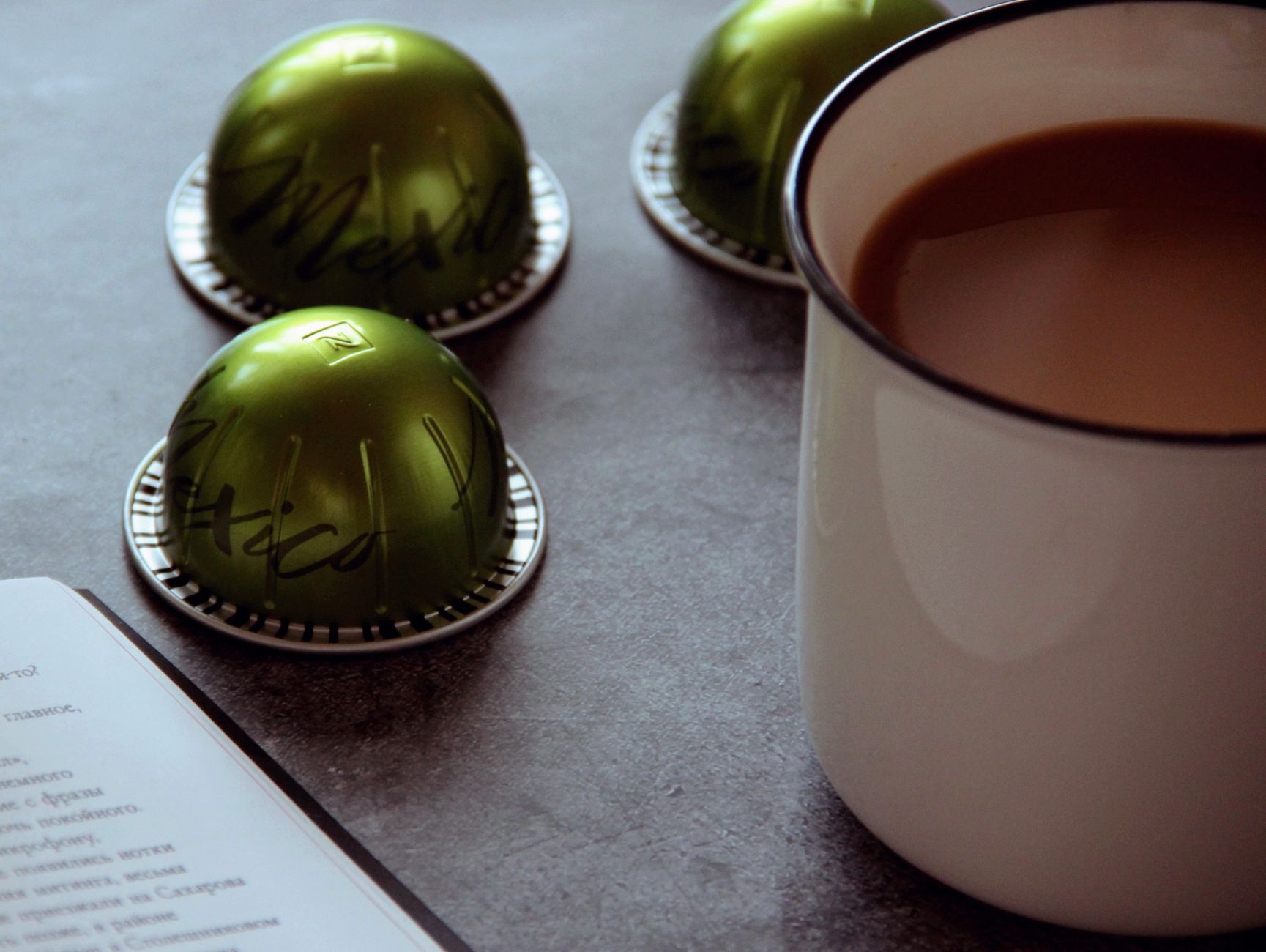 Photo by Dina Nasyrova
Compost tumblers are one of the quickest ways to convert kitchen scraps—like compost coffee pods—into fresh compost.
Tumblers work best for folks who want a low-mess, critter-proof option with less work than a classic heap.
How to Add Coffee Pods Efficiently
- Toss in only certified home compostable pods. Skip plastic or aluminium.
- Break pods by crushing or cutting. This allows microbes and moisture to reach every part of the pod for quicker breakdown.
- Mix pods well with other materials. Alternate layers of pods, veggie peels, grass trimmings, and shredded paper for a balanced pile.
Tips for Mixing and Breaking Down Pods
- Chop before adding: If your compost coffee pods are on the bigger side, cut or tear them up. The smaller the pieces, the faster they break down.
- Keep things turning: Give your tumbler a spin every few days. This mixes the coffee pods with other waste, lets in air, and helps your compost heat up.
- Check for wetness: Pods can soak up moisture. If things seem dry, sprinkle a little water. If too wet, add more dry brown materials—like straw or paper.
Why a Compost Tumbler Speeds Up the Process
Tumbling helps by keeping air moving and the whole mixture evenly moist. Heat builds up inside, which is perfect for breaking down compost coffee pods quickly.
Unlike a static pile, tumblers stop the pod material from clumping up or turning slimy.
Looking for a good compost tumbler for your garden or kitchen waste?
The Compost Tumbler UK guide can help you pick the right model to fit your home and habits.
No matter which method you choose—vermicomposting with worms or spinning your scraps in a tumbler—composting coffee pods is a simple way to cut kitchen waste and feed your soil.
If you want even more methods for composting, check out these 6 Effective Composting Methods for all experience levels.
Sustainable Coffee: More Than Just Composting Pods
The world of eco-friendly coffee isn’t limited to compost coffee pods. True sustainability starts from bean to cup—what you brew matters, but so does what you do after.
Composting your coffee pods is a great start, yet it’s only part of the bigger picture in making your daily coffee habit greener.
Let’s break down how sustainable coffee routines can create less waste, support better farming, and make a real difference for the planet.
Beyond Pods: Rethinking Daily Coffee Habits
 Photo by Angela Roma
Swapping single-use plastic or aluminum pods for compostable versions is a smart, simple change.
But you can boost your positive impact by going beyond just what you toss in the compost bin. Try these small changes that add up fast:
- Use a reusable cup instead of paper to-go cups.
- Choose whole bean coffee and grind it yourself to reduce packaging.
- Support local cafes that offer discounts for bringing your own mug.
- Buy coffee from brands promoting fair wages and sustainable farming.
Looking for even more ways to cut waste? The Compost Charm campaign on rethinking everyday throwaways is full of tips for making every sip count.
Why Composting Coffee Pods Matters—But Isn’t the Whole Story
Tossing compost coffee pods into your compost tumbler or worm bin does more than shrink your rubbish.
Composting keeps food scraps, yard waste, and truly compostable pods out of landfill. That means fewer methane emissions and fresher, healthier soil for your garden or houseplants.
Still, real coffee sustainability is about the full cycle:
- Beans grown with care for people and the earth.
- Packaging that breaks down—or is recycled—after use.
- Home systems, like vermicomposting, that turn old coffee grounds and pods into black gold for your garden.
You help close the loop every time you compost responsibly. And you encourage companies to keep making better, greener products.
Going Green with Every Cup: Easy Tips for Sustainable Coffee
Making sustainable coffee choices isn’t about perfection—it’s about building easy habits. Even a single change, like switching to compost coffee pods, makes a splash.
Here’s how you can do more without stress:
- Use Certified Compostable Pods
- Look for pods labeled “home compostable.”
- Avoid ones that say only “biodegradable.”
- Collect Coffee Grounds for Plants
- Add grounds to your compost, garden beds, or even directly around acid-loving plants.
- Recycle What You Can’t Compost
- Some brands run pod take-back or recycling schemes. Check packaging or the brand’s website for programs near you.
- Try Vermicomposting
- Worm bins love most types of coffee grounds and certain compostable pods.
- Beginners can get started with guides on starting a worm bin at home.
- Choose Reusable Instead of Single-Use
- Stainless steel pods, pour-over drippers, and French presses all cut waste.
Small, consistent tweaks mean less guilt and less landfill waste. Not sure where to start? The composting calendar of seasonal tricks makes it easy to stay on track year-round.
Composting Coffee Pods: Pitfalls to Avoid
It’s not just about buying any pod with a green logo.
Here’s how to avoid common sustainable coffee slip-ups:
- Don’t trust every compostable claim:
Some pods break down only in big, industrial facilities—not home compost. Always double-check for a clear “home compostable” label. - Remove any stickers, foil, or plastic rings:
Even the best compost coffee pods sometimes come with these extras. Take them off before composting. - Mix pods well in your compost tumbler:
Bunched-up pods can slow the whole pile. Stir and blend with other kitchen waste for best results.
With practice, keeping your coffee routine sustainable gets easier—and a lot more rewarding!
Expanding the Impact: Compost, Vermicomposting, and Beyond
Think of your kitchen as a tiny recycling center. With a compost tumbler or worm bin, you can handle pods, grounds, veggie scraps, and more.
Composting coffee pods is a start, but your everyday choices—how you buy, brew, and toss coffee—matter just as much.
For those eager to explore further, check out 6 Effective Composting Methods for every skill and space.
Sustainable coffee doesn’t have to be hard or expensive. With a cheerful cup and the right routine, anyone can brew up a greener tomorrow.
Conclusion
You really can compost coffee pods—if you pick those with a clear “home compostable” label and avoid plastic or foil bits.
Composting, whether you use a simple pile, a compost tumbler, or even try vermicomposting, is an easy and effective way to shrink your kitchen waste and boost your garden’s health.
Compost coffee pods break down into nutrient-rich compost, helping your plants thrive and giving you a satisfying way to cut landfill waste.
Getting started takes a little know-how, but small daily steps lead to real, lasting change. Composting goes beyond the pod: it’s about creating a cleaner, greener routine that feels good every morning.
Curious about the nitty-gritty of composting at home? Explore tips on how to start composting at home or get practical advice for making compost in small spaces.
Thanks for reading! Your effort helps create less waste and healthier, happier gardens. Got a question about compost coffee pods or composting in general?
The friendly Ask A Question tool is ready to help any time—don’t be shy!
Quick FAQ: Compost Coffee Pods
Can you put coffee pods in compost?
Yes, but only if they say “home compostable.” Remove any foil or plastic first. Standard plastic or metal pods should not go in the compost.
What’s the best way to compost coffee pods at home?
Use a compost tumbler or worm bin for fastest results. Break up the pods and mix them well with other kitchen scraps.
What if pods don’t break down?
Not all compostable pods work in every setup. If they’re slow to decay, chop them smaller or try hotter composting methods. Make sure you’re only composting certified home-compostable pods.
Are there other ways to compost if I have no garden?
Absolutely! Small bins and vermicomposting work great even in flats or small spaces. Check practical guides for how to start composting at home.
Where can I get instant help with questions?
Use the Ask A Question tool for quick, clear advice any time.
Feel free to share your composting wins or challenges below. Every pod you compost makes a difference!
Some Key Takeaways
- Only compost coffee pods marked “home compostable.” Remove any plastic, foil, or stickers before adding.
- Never compost plastic or aluminum pods. They won’t break down and can cause problems in your pile.
- Coffee grounds are always safe for compost and help add nitrogen to the mix.
- Cut or crush compostable pods before adding. Smaller pieces break down faster in bins and tumblers.
- Mix pods with food scraps and yard waste for a balanced compost.
- Worm bins work for certified home compostable pods, but skip anything worms can’t safely eat.
- Watch out for pods that say “biodegradable” but not “compostable.” They may not break down well at home.
- If pods sit too long in the pile, try chopping them up or switch to hotter composting methods.
- Composting pods keeps waste out of landfills, cuts methane, and helps your plants grow.
- Small, steady changes—like composting coffee pods—add up over time.
- Try using a compost tumbler or worm bin if you don’t have much space.
- Remember, a green coffee routine means more than composting pods. Use reusable cups and choose brands that care about the earth.
If you want to know anything else then just ask us below!