
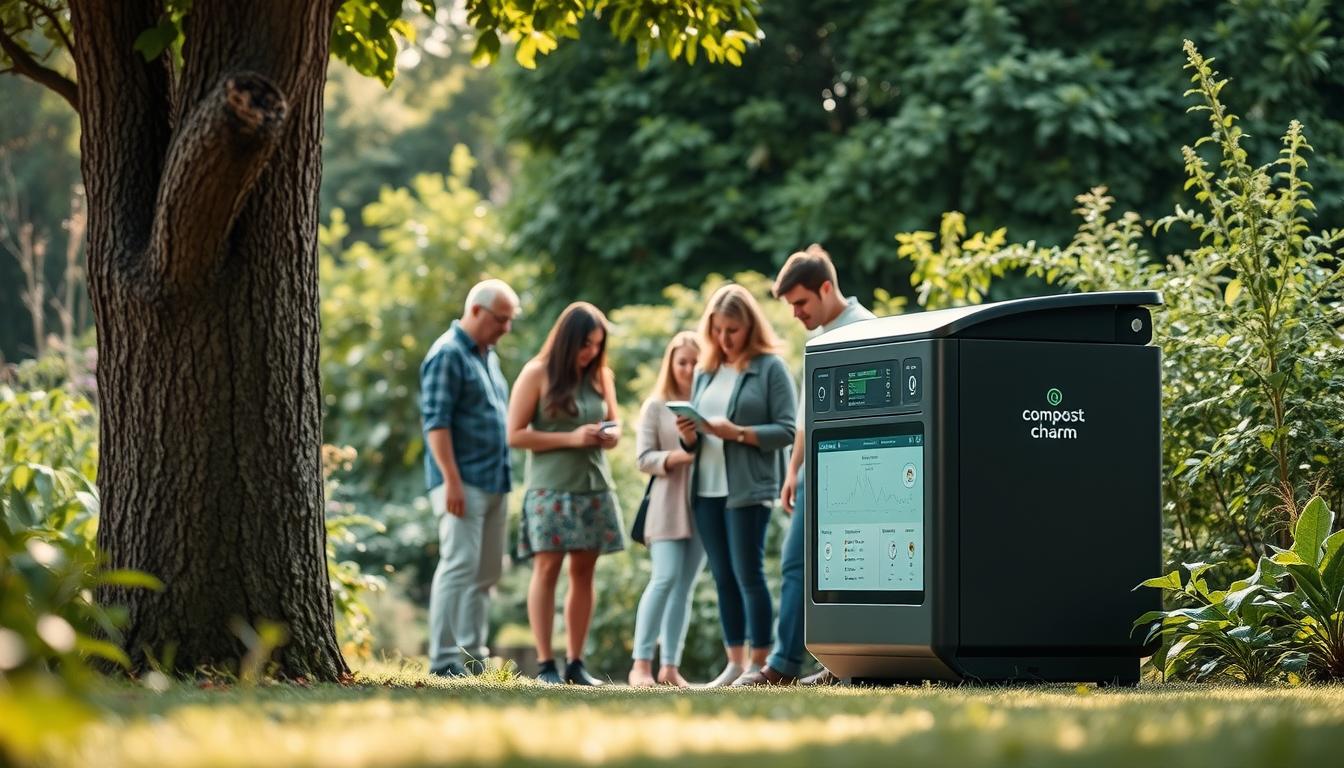
Composting with AI: the future of waste management
Explored through smart bins, data tips, and easy home compost ideas for cleaner, greener living.
Nearly one third of all food produced worldwide—around 1.3 billion tons—never reaches a plate. Most of it ends up as methane-producing waste.
This explains why the United States alone generates roughly 1,800 pounds of waste per person each year.
Landfills now cover millions of acres while emitting potent greenhouse gases.
The math of waste demands smarter answers. Low recycling and diversion rates—about 24% in the U.S. and only 13.5% globally—show that current systems leave valuable organics to rot.
Methane from those sites traps heat about 28 times more effectively than carbon dioxide.
This makes a better diversion urgent for climate and community health.
That’s where composting with AI comes in. By pairing artificial intelligence with IoT, robotics, and data analytics, AI-powered composting can reduce contamination. It optimizes collection routes and speeds decomposition.
These tools change who can compost and how effectively it happens.
They shape the future of composting technology from municipal facilities to neighborhood compost hubs.
This piece speaks directly to you. I’ll explain how composting with AI can be practical, fair, and scalable. I’ll also name costs, infrastructure limits, and skills gaps we must address along the way.
Key Takeaways
- Global waste volumes and U.S. per-capita waste make better organic diversion urgent.
- Landfill methane and low recycling rates highlight the climate and public-health stakes.
- AI, IoT, and robotics enable AI-powered composting that cuts contamination and boosts diversion.
- The future of composting technology spans large-scale facilities to community-level systems.
- Practical adoption requires attention to cost, infrastructure, and workforce skills.
Why traditional composting and waste systems are failing
Cities are dealing with more waste and different types of waste. Things like electronics, mixed plastics, and various organics are hard on old systems. This leads to many failures in traditional composting.
Contamination is a big problem. Food scraps mixed with plastic bags or coated paper lower the value of materials.
This pushes recyclable items to landfills, making waste system challenges worse.
There are also environmental and health costs. Landfills and incinerators release greenhouse gases and can harm local air or water.
Methane from anaerobic breakdown is a major climate concern for urban planners and utility managers.
Collection is often inefficient. Fixed routes and schedules waste fuel and miss peaks in organic generation. This raises municipal operating costs and limits scalable, sustainable waste solutions.
Policy and behavior gaps exist across jurisdictions. Uneven adoption of Extended Producer Responsibility and pay-as-you-throw schemes weakens incentives for source separation.
Public awareness varies, leading to patchy participation and inconsistent sorting.
The cumulative effect shows a clear need for innovation. These failures open space for data-driven, circular approaches. Smart systems can turn current waste system challenges into pathways for sustainable waste solutions.
How AI and IoT are reshaping organic waste collection
The mix of sensors, models, and connected devices is changing how cities collect organics. This leads to faster responses to full bins, fewer wasted trips, and better planning.
These changes help cut costs and carbon emissions while improving service for residents.
Smart sensors for real-time organic bin monitoring
IoT devices in bins report fill levels and temperature often. Fleet managers use this info to avoid empty trips and focus on what’s needed. Cities with these sensors see fewer missed collections and less fuel use.
Smart composting methods use bin data to match service to need. This leads to cleaner routes, better vehicle use, and quicker responses to issues like contamination or pests.
Predictive analytics for seasonal and event-driven compost generation
AI uses past data, holiday calendars, and local events to predict waste surges. This helps planners prepare for festivals and holidays by setting up extra collection capacity.
When AI warns of spikes, crews can be reassigned or drop-off hours extended. This reduces overflow risks and boosts diversion rates without permanent cost hikes.
Data-driven placement of composting infrastructure
Collection maps guide where to place drop-off points and hubs. Data shows which areas produce more organics and lack access.
Planners use AI to test scenarios, considering travel time, participation, and truck access. This leads to smarter placement that boosts participation and lowers resident travel.
| Use case | Primary benefit | Typical metric |
|---|---|---|
| Bin-level sensing | Reduce unnecessary pickups | Up to 30% lower collection costs |
| Dynamic routing | Shorter routes, fewer miles | Vehicle utilization +15% to +25% |
| Seasonal forecasting | Preparedness for events | Drop in overflow incidents |
| Site optimization | Higher participation, less travel | Increased diversion rates |
| Traceable organic streams | Transparency and trust | Audit-ready chain-of-custody |
AI-powered sorting and contamination reduction in compost streams
The use of sensors, cameras, and fast actuators is changing how facilities protect organic streams. Automated systems can spot and remove contaminants before they ruin a batch.
This section explains how vision systems and robotics work together to keep compost clean and find value in mixed waste.
Computer vision systems, trained on large datasets, can tell food scraps from plastic and other contaminants. Near-infrared scans and 3D imaging add depth information.
This helps models classify items on moving belts. Facilities now use AI-powered sorting that flags suspect pieces at intake and along conveyors.
Computer vision identifying organics vs contaminants
High-accuracy optical systems detect subtle cues like texture and moisture sheen. This allows AI to distinguish compostable paper from waxed or coated products.
Facilities using computer vision organic contaminants workflows report fewer false positives and less cross-stream contamination.
Trained models perform well on common problem items, such as food-soiled paper and compostable bags. When models run at scale, operators can spot trends in contamination types.
They can then adjust public outreach, collection rules, or vendor specifications to reduce incoming non-compostables.

Robotic removal of contaminants in material recovery facilities (MRFs)
Robotic arms with machine learning and rapid grippers pick contaminants faster than human sorters. These systems integrate with ai-powered sorting to snatch out unwanted items in real time.
The result is cleaner loads and reduced injury risk for staff.
Robotic removal MRFs combine throughput and precision. This mix lowers labor costs while raising material recovery rates.
Facilities that deploy these systems often recover commodities that once went to landfill, creating new revenue streams and cutting disposal costs.
| Capability | Typical Benefit | Measured Result |
|---|---|---|
| Computer vision (near-IR, 3D) | Higher classification accuracy for organics vs non-organics | Accuracy >90% on common contaminants; fewer rejected batches |
| ai-powered sorting integration | Automated routing and real-time alerts | Reduced cross-stream contamination; improved compost quality |
| Robotic removal MRFs | Faster removal and lower labor risk | Throughput increase of 30–60% and lower injury reports |
| Revenue recovery | Identification of valuable recoverables within organic loads | Recovered commodities monetized; disposal costs fall |
Pairing computer vision organics contaminants detection with robotic removal MRFs clarifies where contamination starts and how to stop it.
These tools make composting with ai practical at scale, improving stream purity and unlocking material value for operators and communities.
Composting optimization with AI for improved decomposition and emissions control
Smart models help keep compost piles at the right temperature, moisture, and oxygen levels. This makes the composting process faster and better at killing harmful pathogens.
The end result is compost that’s ready for the market sooner.
Real-time sensors send data to control systems. These systems then adjust things like aeration, turning, or water use as needed. This keeps the composting process running smoothly and prevents bad smells.
By controlling oxygen and moisture, methane and nitrous oxide emissions go down. This is great for cities and farms looking to reduce their carbon footprint.
AI helps predict when equipment needs maintenance.
This means less downtime and longer-lasting equipment. It keeps everything running smoothly.
In-vessel and controlled systems see the biggest benefits from AI. They can go from taking months to weeks to process.
This also means they need less space but can handle more material.
Keeping an eye on things with sensors builds a record of quality. This shows you’re following compost standards.
It also helps build trust with buyers in landscaping and agriculture.
Using sensor networks with machine learning is a smart way to improve composting. It leads to faster decomposition, lower emissions, and better compost quality.
All without making things more complicated.
Next-generation composting technology: in-vessel, aerobic, and decentralized solutions
New systems are changing how communities turn food scraps into soil. In-vessel reactors and fast aerobic units shrink processing time.
Small, local machines bring composting closer to the source. These shifts make diversion easier and emissions lower.
In-vessel setups keep materials enclosed and controlled. Sensors watch heat, moisture, and oxygen. AI in in-vessel composting tunes those parameters to speed decomposition and cut pathogens.
That makes batches safer and more predictable.
Aerobic, accelerated methods use automated blowers and fans to feed oxygen. Smart controls keep temperatures in the ideal range.
AI-powered composting ties sensor feeds to actuation so the system responds instantly. The result is faster breakdown and fewer odors.
Decentralized composters sit at apartments, schools, and markets. They reduce truck miles and boost participation.
These units can be small-scale in-vessel reactors or community aerobic hubs. Decentralized composters produce compost for local gardens and street-tree programs.
At city scale, analytics match technology to need. Data on waste types and volumes helps planners pick between centralized plants and neighborhood units.
Next-generation composting technology is flexible. It fits dense urban neighborhoods and rural towns alike.
Social benefits follow. Local compost programs create hands-on learning and supply soil for urban greening. When residents see compost made nearby, participation rises. AI-powered composting systems support that trust by delivering consistent quality.
The technology mix matters. Thoughtful deployment of in-vessel reactors, aerobic accelerators, and community machines makes composting more accessible.
You get higher diversion, lower emissions, and compost for place-based soil projects.
Artificial intelligence in waste management policy and circular economy planning

Policy makers need clear, timely evidence to shape rules that cut contamination and boost diversion. Artificial intelligence in waste management delivers that evidence.
It turns sensor feeds and sortation reports into usable insights for cities and producers.
Data from smart bins and sorters feeds EPR data analytics. This shows where packaging causes the most problems and which materials recover value.
These analytics support Extended Producer Responsibility by identifying high-contamination streams and by estimating the true cost of handling hard-to-recycle items.
Granular tracking lets planners focus on measuring circularity in ways that matter. You can track material flows from curb to processor.
This quantifies how much material is recycled, composted, or lost to landfill.
Technology-driven waste management practices add transparency and traceability. Combining IoT with immutable records can verify that collected organics reach certified composters.
This traceability supports public reporting and helps municipalities meet compliance rules without guesswork.
Predictive models offer planning tools that test policy scenarios before they are adopted. You can simulate pay-as-you-throw rates, collection frequency changes, or new EPR fees.
This lets you see effects on diversion and municipal budgets.
Economic signals from data reveal where recovered materials have market value. EPR data analytics can highlight revenue opportunities for recyclables and compost products.
These signals inform incentives and help align producer obligations with real recovery pathways.
Adopting these systems requires careful governance, clear data standards, and public engagement.
When you pair smart analytics with transparent rules, circular economy planning becomes evidence-led, measurable, and more likely to deliver results for communities and the environment.
AI-driven composting saves cities and private haulers money. It optimizes routes and uses sensors for better collection.
This cuts down on empty trips and fuel use.
Pilot programs show a 30 percent drop in collection costs. This happens when smart scheduling meets better sorting.
Cleaner organics and sorting boost the value of end products. Municipalities and firms can sell high-quality compost.
This compost is sought after by nurseries, landscapers, and farms.
This revenue helps cover program costs and creates demand. It also supports premium compost sales.
New markets open up for richer compost products. Urban greening, regenerative farms, and landscaping need consistent, traceable inputs.
Innovative solutions help certify and brand compost, leading to higher prices and steady buyers.
Automation changes jobs in the waste sector. Machines handle repetitive tasks, freeing humans for technical and supervisory roles.
Training is key for technicians, data analysts, and more.
Job transformation is happening in waste management. Some jobs shrink, but new ones emerge. Workforce development programs and apprenticeships help workers adapt with dignity.
Local programs can keep value within communities. Decentralized composting creates jobs and supports small businesses.
It’s important to plan carefully to avoid displacing workers.
Planners must consider costs and social outcomes. Investing in technology and training offers long-term savings and social benefits. Innovative solutions help balance budget needs with fairness and local growth.
Sustainability benefits: emissions reductions and circular outcomes
Smart composting helps reduce greenhouse gases by keeping organic waste out of landfills. It manages decomposition in the open air.
This approach supports methane mitigation composting and brings climate benefits as systems grow across cities.
By diverting food scraps and yard waste, methane emissions from landfills decrease. This also improves the city’s greenhouse gas inventory.
With better waste management, anaerobic hotspots shrink, and aerobic composting emits fewer harmful gases. These changes help meet local climate goals.
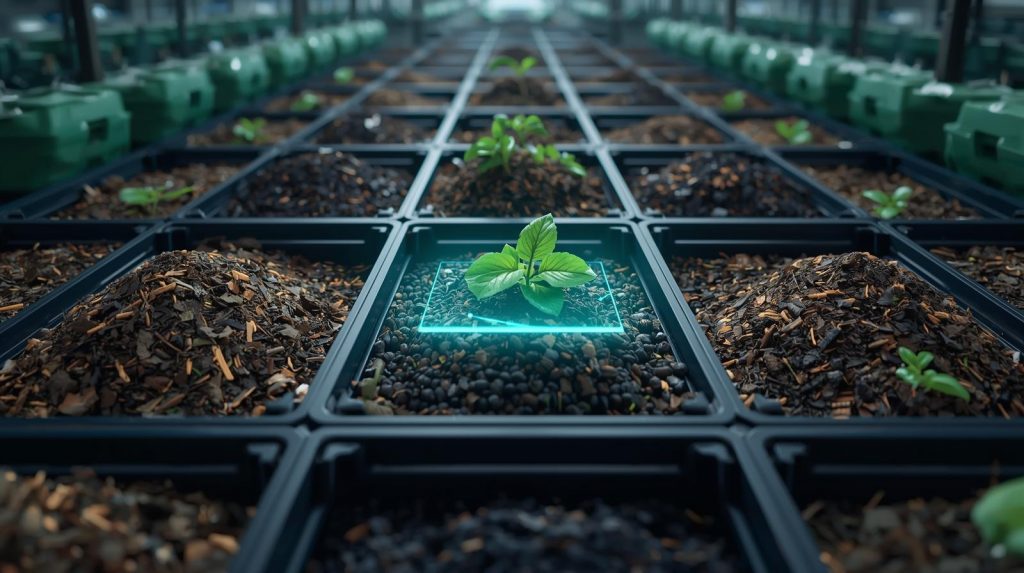
Finished compost enriches soil, improving its texture and water retention. It also reduces erosion.
These benefits support soil health carbon sequestration in farms, parks, and urban green spaces.
Local compost production supports urban greening projects. Trees and community gardens grow faster and stronger with compost. This leads to cooler streets, better stormwater control, and more carbon stored in soils.
Circular outcomes composting keeps nutrients in use, reducing the need for synthetic fertilizers. It closes nutrient loops.
This approach aligns with the circular economy, creating jobs and new markets locally.
Scaling these practices can significantly change emissions at the city and county levels.
When collection, processing, and use are integrated, methane mitigation, composting and sustainable waste solutions offer climate and community benefits.
Technical and implementation challenges for AI-powered composting
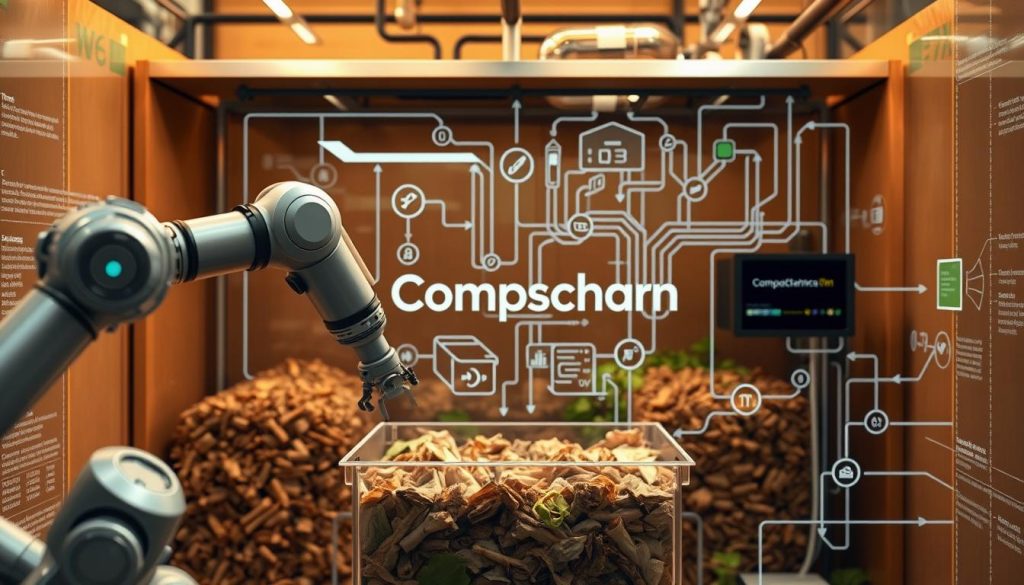
AI in composting can greatly help cities and communities. But, we must face some big challenges first. Costs, system gaps, and human skills are key to how fast we can use smart composting.
Upfront capital and infrastructure
Starting needs advanced tools like IoT sensors and AI sorters. These tools cost a lot. Small towns and community groups might find it hard to get the money.
Old transfer stations and facilities might not fit new tech. They need updates to handle more waste without problems.
Standards and system compatibility
Different makers’ equipment can’t talk to each other. This makes using data and models hard.
Using common standards helps. Cities that do this save time and money. It makes smart composting work better together.
Security, privacy, and governance
Smart bins collect data on where and how they’re used. This data must be kept safe and have clear rules for who can see it.
Good security and rules protect against data breaches. This keeps people’s trust and keeps the system safe.
Workforce and skills
AI systems need tech experts and data analysts. But, many places don’t have enough skilled people.
Working with schools and vendors can help train people. This builds the team needed to keep the systems running.
Equity and access
New tech should help everyone, not just some. Plans must include fair access and local jobs.
Testing in different places helps find and fix problems early. This makes sure everyone can benefit from the technology.
- Plan for costs of hardware, software, and updates to avoid surprises.
- Use open data standards to make systems work better together.
- Strong encryption and rules protect data and privacy.
- Training programs fill skills gaps and support ongoing use.
Case studies and real-world pilots shaping the future of composting technology
Cities and companies are testing new systems. They use sensors, machine vision, and analytics. These pilots show how tech can save money, increase recovery rates, and make composting more reliable.
Municipal pilots leveraging AI-sortation and smart collection
San Francisco and Seattle have tested new ways to collect trash. They use sensors and dynamic schedules. This has cut costs by up to 30% and reduced missed pickups.
City programs also use computer vision at transfer stations.
This has lowered contamination in organics streams. Machine learning models have high accuracy, helping crews focus on real problems.
Private-sector innovations and community programs
Companies like TOMRA and AMP Robotics use AI in material recovery facilities. Their systems have increased recovery rates and found valuable materials.
This has opened new revenue streams for facility operators.
Community hubs use decentralized composters with simple sensors. They process materials locally, reducing emissions. These programs provide soil to gardens, schools, and parks, showing the impact of community efforts.
One key lesson from these pilots is that tech alone is not enough. Success comes from combining tools with education, training, and policy support.
When these elements work together, cities and companies see real benefits and gain public support.
Public engagement and behavior change for smart composting adoption
Higher participation comes from clear guidance and local data. Analytics show where to focus efforts. Messages that explain what goes in the bin help avoid mistakes and build trust.
Education campaigns informed by data insights
Start with simple, visual instructions at collection points. Use monitoring results to shape education campaigns composting that focus on common mistakes.
Schools, community centers, and farmer’s markets are great for hands-on demos.
Short videos, postcards, and text reminders keep rules in mind. Local examples show real benefits. Tracking engagement helps cities refine messages and measure progress.
Incentives, pay-as-you-throw, and producer responsibility alignment
Financial nudges encourage behavior change. Pay-as-you-throw composting motivates households to reduce landfill waste. Offer free or discounted compost bins to make it easier.
Extended Producer Responsibility programs fund collection and education. Brands like Nestlé and General Mills support these efforts.
This helps underwrite infrastructure and support producer responsibility composting strategies.
Combine incentives with community events and regular feedback. Seeing reduced bills and cleaner streams boosts participation and reduces contamination.
| Strategy | Action | Expected Outcome |
|---|---|---|
| Data-driven outreach | Use a sensor and collect data to target neighborhoods | Higher correct sorting and lower contamination rates |
| Hands-on education | Workshops in schools and community centers | Improved confidence and steady participation |
| Behavioral design | Clear labels, bin color-coding, SMS reminders | Less wish-cycling and fewer sorting errors |
| Economic incentives | Pay-as-you-throw composting and rebates for bins | Reduced landfill waste and higher compost capture |
| Producer and municipal partnerships | Shared funding and joint campaigns with manufacturers | Scalable programs and sustained infrastructure investment |
Conclusion
AI, IoT, robotics, and data analytics are changing waste management. They make composting quicker, more reliable, and smarter. This helps reduce methane emissions and creates quality compost for soil and green spaces.
These technologies, like smart sensors and robotic sorters, turn waste into something valuable. They show how new tech can help manage waste better.
But, it’s not just about the tools. Cities and companies need to invest in infrastructure and train workers. They also need to match policies with programs like extended producer responsibility.
Getting people involved is key too. When we sort waste at home and support local composting, technology works better. This leads to cleaner neighborhoods and healthier soils.
In the future, AI and advanced composting can be key to fighting climate change. With the right planning and use, composting with AI can make our communities better.
It can lead to cleaner places, healthier soils, and economic benefits.