
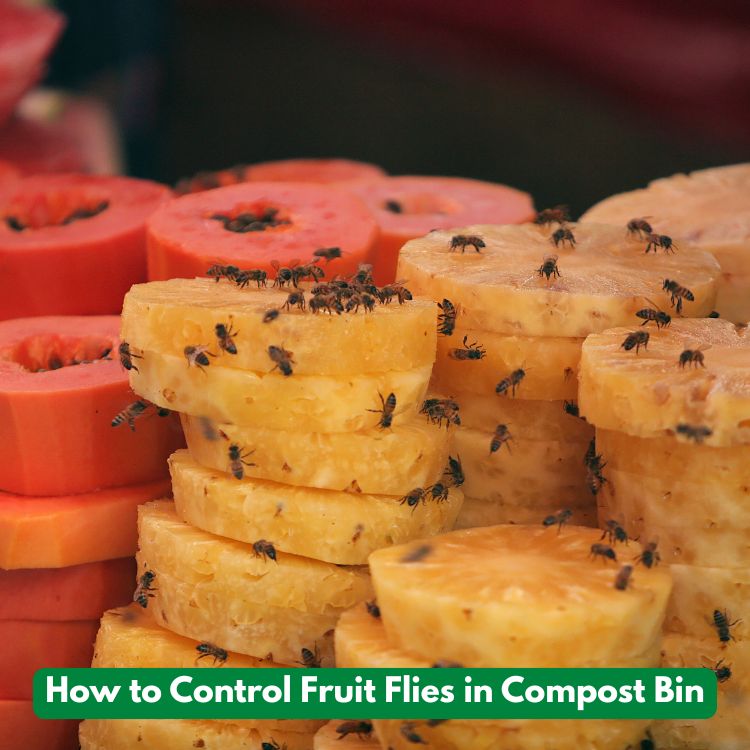
Simple Tips for a Fruit Fly-Free Composting Experience
Few things are more frustrating than opening your compost bin and being met by a cloud of tiny fruit flies.
These little bugs seem to appear overnight, eager to enjoy your kitchen scraps before the compost even gets started.
While fruit flies love compost bins, a few simple steps can help keep them away, making your composting journey much smoother.
Composting is a natural way to recycle food waste and garden scraps, turning them into rich, healthy soil.
It’s one of the easiest ways to cut down on rubbish at home and help the planet.
From classic outdoor piles to vermicomposting with worms, even a compost tumbler can play a part in keeping waste out of the landfill and boosting your garden’s nutrients.
Fruit flies show up because they’re drawn to the same kitchen leftovers and peels you add to your bin.
The good news?
With a little know-how, anyone can learn how to control fruit flies in compost bin season after season.
If you want to compost without the hassle of swarming flies, you’re in the right place. For extra advice on balancing your bin and stopping pests, check out these easy seasonal composting tips.
Ready for a cleaner, friendlier composting experience? Let’s keep those fruit flies guessing—and out of your bin—while you turn scraps into black gold for your garden.
What Are Fruit Flies and Why Do They Love Compost?
Open your compost bin and you may spot a few tiny acrobats—fruit flies. Their presence can feel like nature’s own pop-up performance, but, for most people, these bugs are simply unwelcome guests.
Understanding fruit flies and their obsession with compost is a big key for anyone learning how to control fruit flies in compost bin setups, from garden piles to kitchen caddies and compost tumblers.
 Photo by Erik Karits
Meet the Fruit Fly: Tiny, Busy, and Persistent
Fruit flies are small insects, usually only 2–4 millimeters long. They have red eyes, tan bodies, and an appetite for ripening or rotting fruit and veggies.
These little bugs can sniff out even the tiniest trace of something sweet—if you’ve ever left a banana out too long, you know how quickly they gather.
Here’s why they’re drawn to your compost:
- Food Source: Overripe fruits, peels, and vegetable scraps are perfect for fruit flies. Your compost is a buffet, stocked with everything they love.
- Moist Environments: Fruit flies thrive in the warm, damp layers found in many compost bins and piles.
- Quick Reproduction: These insects can lay hundreds of eggs at a time. Their whole life cycle happens in just over a week, so an unnoticed problem can grow in a flash.
Want to see more details about how these insects behave? This post on tiny flies in your compost shares more about their habits.
Why Compost Appeals to Fruit Flies
Composting is a perfect mix of food scraps, moisture, and warmth.
While this is great for microbes that break down waste, it’s also what fruit flies are looking for.
Fruit flies:
- Feed on Decaying Material: They break down organic materials, which actually helps in the early phases of composting.
- Love Sugary Waste: Soft and moist materials like apple peels or orange rinds are big attractors.
- Seek Easy Entry: Open lids or uncovered piles make it even easier for them to find your bin.
Even specialty bins or compost tumblers can attract fruit flies if not managed well.
They’re not picky—whether you’re starting composting at home or have tried multiple composting methods, fruit flies will always show up where there’s sweet kitchen waste.
Their Role in Compost: Helpful or Harmful?
It’s tempting to think all bugs are bad, but fruit flies have a modest role in compost.
As they feed and lay eggs, they help break down food scraps a bit faster.
However, their rapid breeding quickly turns helpful visitors into a nuisance.
Key points to remember:
- Small Numbers Help: A few fruit flies complement bacteria and worms in the compost ecosystem.
- Swarms Become a Problem: Large populations can annoy anyone using a kitchen bin or outdoor pile, especially during summer.
- Look Out for Signs of Imbalance: If the fruit flies seem to be taking over, it might be time to adjust your compost technique.
For composters wanting to avoid a flying circus every time they lift the lid, good management matters.
Adding enough “browns” (dry leaves, cardboard, paper) to balance kitchen scraps will not only cut smells but will also make your bin less attractive to fruit flies.
If you’re eager to find out more, our guide on starting composting at home lays out the basics for any beginner.
Fruit Flies and Different Composting Methods
Each composting approach, from classic heaps to vermicomposting and compost tumblers, provides unique environments for fruit flies.
Let’s see where they thrive and what you can expect:
- Traditional Piles: Open piles are easy targets for fruit flies if food scraps aren’t covered with enough yard waste or dry material.
- Vermicomposting: Worm bins can struggle with fruit flies if left uncovered or overloaded with fruit. Worms are great at eating food, but if food sits too long, flies will move in. This article discusses the benefits of vermicomposting and explains why good balance is key.
- Compost Tumblers: While they’re sealed, flies can still find a way in if lids aren’t closed tightly or scraps aren’t buried.
Every composting setup, from a small countertop caddy to a large backyard tumbler, needs a bit of attention to keep fruit flies out.
Good habits mean you enjoy the benefits of sustainable living—without the flying pests.
If you’re just learning how to use a compost tumbler, this friendly guide on starting composting in a tumbler covers all the basics for a clean and efficient setup.
How to Control Fruit Flies in Compost Bin: Practical Tips for Every Home
Fruit flies might love your leftovers, but there’s no reason to let them take over your composting setup.
With the right methods, you can keep your bin clean, balanced, and (almost) fly-free, whether you’re working with a traditional heap, a compost tumbler, or experimenting with vermicomposting.
Let’s go step by step through the practical actions every home composter can use to turn composting into a peaceful routine instead of a fruit fly circus.
Layering and Covering: The Key to Keeping Flies Out
 Photo by SHVETS production
Fruit flies zero in on exposed food scraps.
The easiest way to block them is with a good cover of “browns”—dry materials like leaves, shredded paper, or cardboard. Imagine each layer of browns as a warm blanket, tucking your juicy kitchen leftovers out of sight.
Here’s how it works:
- Cover Each Addition: Every time you add fruit or veg scraps, toss on a layer of browns thick enough to hide what’s underneath.
- Build in Layers: Alternate greens (kitchen scraps) and browns (dry stuff). These layers keep the compost balanced and help stifle fruit fly populations.
- Works in Any Bin: This method isn’t just for open piles. Compost tumblers, sealed bins, and even worm bins will all benefit from consistently burying food scraps beneath a topping of browns.
For exact steps and a deep dive into the layering process, check out the compost layering technique guide.
It’s a helpful source for beginners or anyone who wants to tighten up their system.
Why does this work so well? Dry browns are less attractive to flies, and they form a natural barrier. With each new layer, you make it harder for fruit flies to sniff out their next meal or lay eggs.
Your compost gets on with the business of breaking down, and fruit flies look elsewhere.
Balance Your Bin: Managing Moisture and Green/Brown Ratios
Fruit flies flock to bins that are wet, overloaded with kitchen scraps, or missing enough carbon-rich browns.
Keeping your bin in balance stops them from taking over.
Here’s what you can do:
- Check Moisture: Compost should feel like a wrung-out sponge. If it’s soggy, add more dry browns. If it’s dry, a splash of water or some extra greens will help.
- Mind the Ratio: Aim for roughly two or three parts browns for every one part green. Too many greens (like fruit peels or veggie scraps) lead to smells and flies. Too many browns slow things down, but that’s easier to fix.
- Turn or Mix: Regularly stirring spreads out wet bits and keeps things airy, which discourages flies.
For those practicing vermicomposting, be sure not to overload your worm bin with fruit or wet scraps.
Worms do best with a steady, balanced diet.
If flies appear, cover food with shredded newspaper or cardboard, and gently mix unprocessed material into the bedding.
Want to become a master at compost ratios?
The article on Green vs Brown Composting Explained offers simple strategies and examples for every composting setup, helping keep your system smooth and pest-free.
Smart Placement and Maintenance for Your Compost Bin
Location, proper bin design, and simple upkeep routines make a big difference in fruit fly numbers.
Here’s how to get it right:
- Pick a Good Spot: Place your bin away from warm, sunny doors and close to ventilation. Fruit flies like warmth but dislike direct sun and strong airflow.
- Lids and Doors Matter: Use bins with tight-fitting lids. If you’re using a compost tumbler, double-check that seals and doors close well after every use.
- Routine Turning: Compost loves oxygen—mix or turn your bin every week or two. This interrupts fruit fly breeding and helps scraps break down faster.
Practical maintenance isn’t hard.
Set a reminder to give your pile a quick turn or tumble. Inspect seals and flip open the lid to check for moisture or visible food scraps.
In worm bins, bury food deeper or add more newspaper when flies start to appear.
If you’re using a pile outside in cold weather, a little extra care is needed.
Moving the bin to a sheltered spot or adding insulation can protect microbes and keep pests at bay—find cold-weather tips in the article on keeping your compost bin thriving in cold.
For those new to turning processes or using a compost tumbler, the guide on how often to turn compost gives easy, practical guidance.
Consistent upkeep does wonders for bin health and keeps fruit fly populations under control, so you can get on with enjoying fresher, cleaner composting at home.
Extra Tricks for Tackling Persistent Fruit Fly Problems
When fruit flies just won’t give up, it’s time for a few extra tricks.
Most composters never plan for a persistent infestation, but anyone can face it—whether using a big outdoor pile, a kitchen bin, or a clever compost tumbler.
These smart, safe fixes can help you enjoy composting and keep pests under control using easy, everyday solutions.
Homemade Fruit Fly Traps: Fast DIY Fixes
 Photo by Egor Kamelev
Even a well-managed compost can get swarmed. If flies decide to hold their own convention in your kitchen, don’t worry—a simple trap can thin their numbers quickly.
Here are a few proven, budget-friendly traps you can make in minutes:
- Apple Cider Vinegar Trap: Pour a little apple cider vinegar into a jar, add a few drops of dish soap, and punch holes in the lid or cover with plastic wrap. The sweet scent draws the flies in; the soap breaks the surface tension, so they can’t escape. This approach is highlighted in The Best DIY Fruit Fly Trap for Getting Rid of Fruit Flies.
- Plastic Wrap Funnel: Drop a piece of fruit or peel into a cup, cover with plastic wrap, and poke small holes in the top. Fruit flies crawl in but rarely find their way out. Simple and effective, as explained in Easy Fruit Fly Trap: 7 Steps (with Pictures).
- Soap and Vinegar Mix: Mix water, vinegar, and a squirt of washing-up liquid in a bowl. Fruit flies are attracted to the vinegar and get stuck due to the soap. It’s a timeless go-to, and DIY Fruit Fly Trap: Easy Homemade Solution shares more options.
Keep these traps near your compost bin, but out of reach of pets or curious children. Traps won’t solve everything, but they help break the breeding cycle while you make longer-lasting fixes.
Safe Use of Additives: When and How They Help
If you’ve balanced your compost—the greens, the browns, the moisture—but the flies are still marching in, gentle additives might tip the balance.
Baking soda is a popular, non-toxic trick that deserves a closer look.
- How Baking Soda Works: Baking soda can help in several ways. Dusting a small amount over the top of your compost discourages gnats and fruit flies, helps keep smells down, and can mildly balance acidity.
- When to Use It: Only sprinkle baking soda if you notice strong odors or see a sudden jump in fly numbers. Use it sparingly, as too much may slow composting by upsetting helpful microbes.
- Other Additive Options: Crushed eggshells and garden lime can also help adjust compost pH, but always start small and monitor closely.
To learn how baking soda supports pest control without hurting your compost, this guide on why you should sprinkle baking soda in your compost explains all the basics.
Many home gardeners also use a bit of baking soda in their outdoor beds for similar reasons, as shown in 8 Powerful Ways to Use Baking Soda in Your Garden.
Remember, a little goes a long way. Use small pinches—never handfuls. If you compost with worms (vermicomposting), extra caution is needed.
Large amounts of additives can stress your worms. For more safe tips on home composting, check the thorough steps in our starting composting at home guide.
Checking for Hidden Issues: Advanced Troubleshooting
If you’re still wondering how to control fruit flies in compost bin environments after trying every step, a careful inspection can reveal what’s going on behind the scenes.
Here’s how to troubleshoot like a compost pro:
- Hidden Food Scraps: Check for bits of fruit or veg stuck to the sides or under the lid. In compost tumblers, scraps can get trapped in corners and invite flies.
- Poor Airflow: Make sure your bin is getting enough air. A sealed bin can trap moisture and boost fly eggs. Add air holes or turn the pile more often if it’s compacted.
- Too Much Moisture: Do a quick squeeze test. If the compost drips water, it’s too wet—add shredded paper or dry leaves.
- Leaky Bin: Moisture leaks attract flies. Check for cracks or broken seals, especially on tubs and compost tumblers.
For a step-by-step look at these issues and quick fixes, the Compost Troubleshooting Guide breaks down what to look for and how to fix it.
Proper airflow and moisture control not only help stop fruit flies but also speed up the composting process so you get garden-ready compost faster.
Routine checks and small corrections turn guesswork into confidence.
For more clever compost fixes and advanced how-to’s—including handling smells, pests, or temperature swings—explore the seasonal advice in the Composting Calendar Tips.
Combining these extra tricks with standard compost care helps you create the best possible bin environment—one that turns scraps into rich compost with fewer uninvited guests.
Keep Composting, Stay Fruit Fly-Free!
Composting is all about turning everyday kitchen scraps into beautiful, healthy soil for your garden.
Along the way, fruit flies sometimes make a surprise entrance and try to crash the party. But there’s good news—keeping your compost bin fruit fly-free is easier than you might think.
With some simple steps, you can compost with confidence and make fruit flies a minor blip, not a regular visitor.
Here’s how to control fruit flies in compost bin systems, so you can keep enjoying the satisfaction of home composting.
 Photo by Skyler Ewing
Stay Consistent With Good Compost Habits
A well-managed compost bin is a fruit fly’s least favorite place. Try these healthy habits to make your pile or bin less inviting to them:
- Cover food scraps every time with a layer of dry “browns” like leaves, shredded cardboard, or paper. This blocks smells and keeps fruit flies from finding their way in.
- Keep your compost just moist, not soggy. Too much water means more flies and less breakdown.
- Turn or mix your compost regularly—especially in compost tumblers or larger outdoor bins—to keep things fresh and discourage bugs.
- Use a tight-fitting lid or cover for kitchen caddies and compost tumblers. This keeps flies out and helps the composting microbes do their job.
When you manage food scraps, moisture, and airflow, you set up a habitat where compost microbes thrive and fruit flies lose interest. If you’re new to using a compost tumbler, you might enjoy these simple tips for using a compost tumbler to make your process even smoother.
Act Quickly If Fruit Flies Appear
If you spot fruit flies, don’t panic. They’re common visitors, especially during warm months. The sooner you act, the quicker you’ll recover your bin and peace of mind.
Here’s what you can do:
- Remove any uncovered moist food scraps and bury them deeply. Fruit flies lay eggs close to food, so hiding scraps is key.
- Double your dry cover layer using shredded paper or cardboard for a quick fix.
- Wipe down lids and edges of indoor bins—flies love sticky surfaces!
- Dust a pinch of baking soda over the top to help dry things out (but use it sparingly).
For even more fruit fly banishing tactics, the guide on eradicating fruit flies in compost offers extra advice for indoor and outdoor composters alike.
Refocus on Compost Variety and Balance
Fruit flies often show up when a bin gets out of balance—too many fruit scraps, not enough browns, or airflow problems. This is true whether you use a pile, a compost tumbler, or practice vermicomposting.
To keep your composting mix right:
- Aim for more browns than greens. Try two or three handfuls of dry scraps for each handful of moist food waste.
- Chop up fruit and veg before adding. Smaller pieces decompose faster, leaving flies less food.
- Keep airflow steady by turning regularly and making sure your bin is not too tightly packed.
Getting the balance right also matters if you experiment with vermicomposting, where worms work alongside your kitchen scraps. Covering food with enough bedding makes worms happy and flies frustrated.
Don’t Let Fruit Flies Stop You—Keep Composting!
Fruit flies are a small part of the composting journey, not a reason to give up. They’re a temporary nuisance in a process that brings year-round rewards for your garden and the planet.
- Keep at it even if the flies return now and then. Consistency in your habits brings big results over time.
- Switch up your methods. Try a compost tumbler or vermicomposting if you’re curious or run out of space.
For fresh ideas that fit your routine, check out these six effective composting methods. There’s a style for every garden, kitchen, and curious composter.
If you want another overview of why it’s worth sticking with composting, the Composting 101 guide is a great source for anyone starting out or refining their skills.
Quick-Fire Reminders for a Fruit Fly-Free Compost
Cheer yourself on with these easy wins:
- Always cover kitchen scraps with dry browns.
- Stick with a bin or tumbler that closes tightly.
- Add dry paper or cardboard if things get too wet.
- Keep your bin mixed and balanced.
- If you see flies, take action—don’t wait!
By sticking with these habits, you’ll keep your composting adventure rolling and your kitchen (almost) fruit fly-free.
Composting brings your food waste full circle, and those tiny bugs don’t stand a chance against your simple, steady routine.
For more weekly ideas, browse the Composting Calendar Tips and make small, positive changes all year.
Simple FAQ: How to Control Fruit Flies in Compost Bin
Fruit flies often pop up when you least expect them—hovering over your compost bin, ready to invade.
It’s a classic problem for anyone starting composting, whether you use an outdoor pile, a snug compost tumbler, or even try vermicomposting with worms.
If you’re tired of waving away tiny insects, this simple FAQ brings easy, upbeat answers for calm, clean composting at home.
Why Do Fruit Flies Appear in My Compost Bin?
Fruit flies flock to food scraps, moisture, and warmth—all common in a composting setup. Overripe fruit peels, veggie trimmings, and high humidity create a banquet for them.
If scraps are left exposed or the bin gets too soggy, fruit flies will show up fast.
To cut their numbers:
- Always cover every kitchen scrap with a layer of dry material like leaves or shredded paper.
- Keep your compost just damp, never dripping wet.
- Regularly check the bin for stuck fruit pieces around lids or edges.
A well-managed bin is your first line of defense. For more tips on balancing your mix, our guide to starting composting at home has everything covered.
What’s the Fastest Way to Get Rid of Fruit Flies?
Speed matters when a swarm breaks out. Here’s a quick plan:
- Remove exposed scraps and bury them under plenty of “browns.”
- Add a heavy topping of shredded cardboard or leaves for a quick camouflage.
- Place a fruit fly trap (like a jar of apple cider vinegar with holes in the lid) near your bin. This natural trick works inside and outdoors.
- Wipe down sticky spots—lids and rims hold onto sugars that attract flies.
Many composters swear by this simple method, and you’ll find more step-by-step ideas in this helpful post on eradicating fruit flies in compost.
Will Fruit Flies Ruin My Compost?
Not at all! A few fruit flies won’t hurt the compost—but a big outbreak can be annoying. Remember, even swarms won’t spoil your finished compost or slow the process for long. Keep up good habits and the problem almost always goes away.
- Flies are temporary guests.
- Proper layering and covering works for every style of composting: piles, tumblers, or worm bins.
- As your compost matures, it becomes less attractive to fruit flies.
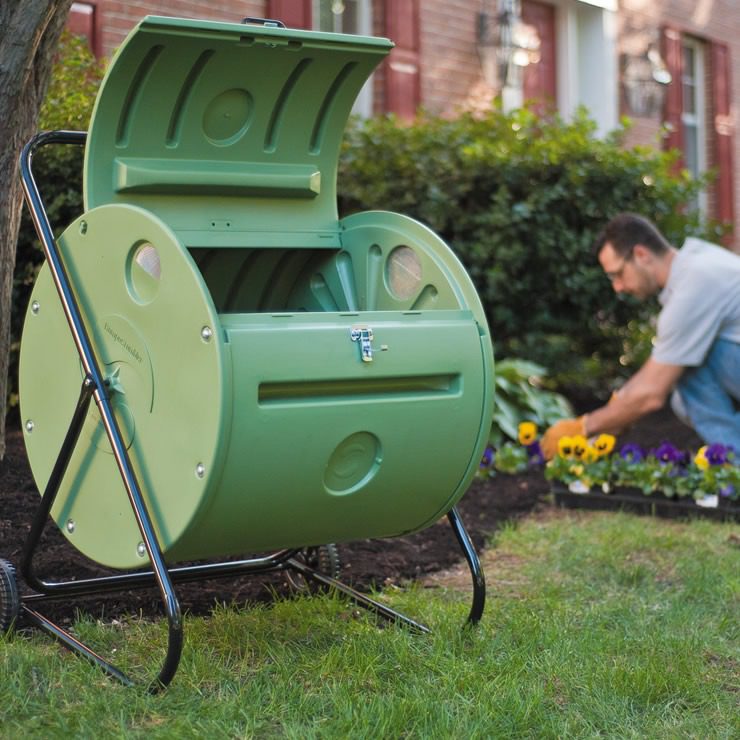
Is It Safe to Compost Fruit in a Compost Tumbler or Worm Bin?
Absolutely! All fruits, peels, and veggie scraps work well in both compost tumblers and vermicomposting setups—just use a bit of strategy.
- For tumblers, close the lid tightly after every addition.
- For worm bins, only add fruit in amounts your worms can handle, and cover it with moist bedding.
A tight fit keeps flies out and lets your compost settle in peace. Curious about making the most of your tumbler? Explore our easy How to Use a Compost Tumbler guide for smart routines and tricks.
What Simple Traps or Additives Can I Use?
DIY traps and safe, common additives can help block new swarms:
- Traps: Fill a cup with apple cider vinegar and a few drops of dish soap, cover with plastic wrap, and poke small holes. Flies can get in but can’t escape.
- Additives: Sprinkle a pinch of baking soda if odors are strong and your bin feels too damp. Don’t overdo it—just a dusting helps dry things out.
For more ideas, community tips on how to keep your compost bin free from fruit flies blend practical tricks with real-world experience.
Can Fruit Flies Travel to the Rest of My Kitchen?
They can. Fruit flies tend to hang around where they find a food source—so a compost caddy, compost tumbler, or uncovered pail may attract a few to your sink area. To stop them from spreading:
- Empty your kitchen bin often.
- Clean the countertop and sink to remove old fruit debris.
- Always check for uncovered scraps.
If you need ideas on reducing food waste, Compost Charm’s creative Don’t Toss It Campaign makes it easier to keep your whole kitchen in check.
Do Fruit Flies Signal a Composting Problem?
Usually, fruit flies just mean you have a bit too much moisture, fruit, or air exposure. It’s not a sign your compost is failing. Small tweaks always bring balance back.
Common fixes:
- Add dry browns if things look or smell too wet.
- Bury new additions and avoid leaving any fruit on the surface.
- Turn or mix your compost to speed up breakdown and air flow.
If you want more detail on managing animal pests in compost in general, this article on compost pest control breaks down helpful steps for small and large bins.
How Can I Prevent Fruit Flies for Good?
- Always cover moist scraps with double the amount of dry materials.
- Turn compost regularly, even a quick fluff-up helps.
- Close your bin tightly every time.
- Mop up any sweet spills.
Ready to give your bin a seasonal tune-up? See the year-round Composting Calendar Tips for smart reminders for pest-free, thriving compost all year.
This friendly FAQ keeps you in control and answers the key worries about how to control fruit flies in compost bin setups.
For extra tips, guides, and encouragement from beginner to pro, Compost Charm is always ready to help keep your compost adventure easy and enjoyable.
Conclusion
Banishing fruit flies from your compost bin really comes down to a few simple habits. Layer dry browns, keep scraps covered, check moisture, and act fast if you spot a problem.
Whether you compost outside, use a compost tumbler, or try vermicomposting, you can keep those buzzing pests in check with steady routines.
Experiment with a pinch of baking soda and see how it helps with both smell and flies. For more details, visit the guide on using baking soda in compost.
If you ever need a boost through the seasons, the Composting Calendar Tips are filled with advice for every stage.
Stick with composting, even when fruit flies visit. Each small step leads to better compost, greener gardens, and a planet that thanks you.
Explore more tips, try out new techniques, and enjoy the ups and downs of turning kitchen waste into homegrown gold.
Thank you for reading—here’s to a fruit fly-free composting adventure!