The Surprising Truth About Cup Waste, Composting, and What You Can Do
Ever tossed a “compostable” cup in the bin and wondered, are compostable cups really compostable? It’s not as simple as it looks.
While these cups sound like a great way to cut waste, most can’t break down in your typical home compost or even a compost tumbler.
Some need industrial composting, while others won’t compost at all.
Composting at home, whether with food scraps, a compost tumbler, or even vermicomposting, helps the planet and keeps waste out of landfills.
But when it comes to takeaway cups, the truth is most don’t fit into our easy home compost piles.
That doesn’t mean you’re out of options—learning what works for home compost and how to spot the right labels makes a big difference.
Before you drop another cup in the green bin, stick around to get the real facts about compostable cups and see how your choices help build a greener, cleaner world.
If you’re curious about composting other tricky items, check out this guide to compostable coffee pods for more practical tips.
Are Compostable Cups Really Compostable?
Many of us grab a “compostable” cup and feel like we’ve made a solid green choice. But are compostable cups really compostable?
The short answer: sometimes yes, sometimes no—with a few catches. Whether these cups actually break down depends on the materials they’re made of, where you compost them, and how you read those little labels.
Let’s unpack what “compostable” really means, where compostable cups can break down, and what happens if they end up in landfill instead of a compost bin.
Defining Compostable: What Does It Actually Mean?
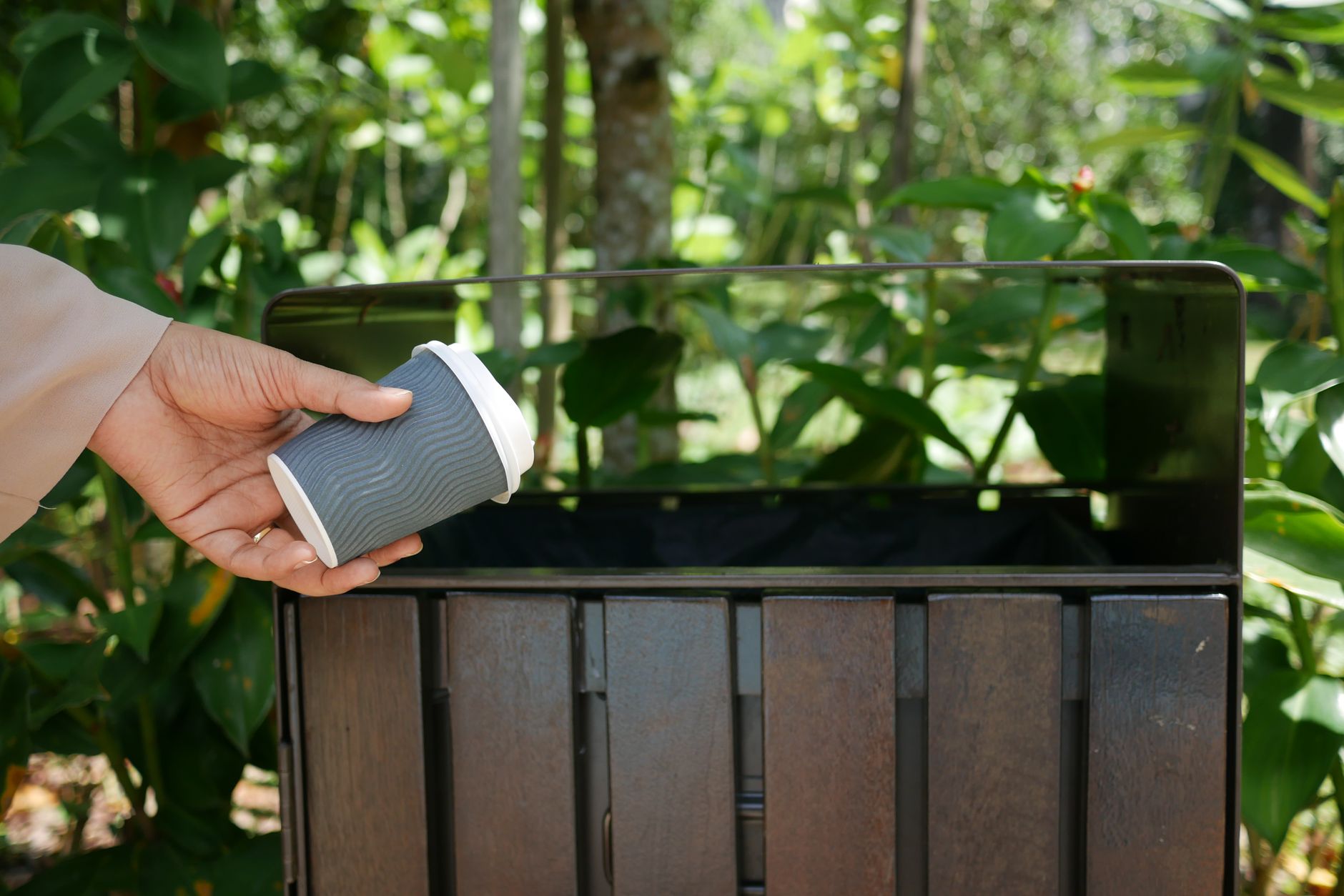 Photo by Towfiqu barbhuiya
Let’s clear up the confusion around green-sounding words on packaging. Here’s what you really need to know:
- Compostable: If something’s labeled compostable, it should break down into natural materials in compost, turning into healthy soil with the help of microbes and time. This doesn’t mean it disappears instantly—composting still takes patience and the right conditions.
- Biodegradable: All compostable items are biodegradable, but not all biodegradable things are compostable. “Biodegradable” just means it will eventually break down—but that could take years, and some substances leave nasty residues behind.
- Recyclable: This means the item can be processed and used again, but not all recyclable cups are compostable or vice versa.
When it comes to cups, official certifications make a difference. Look for trusted marks such as the “Seedling” logo or “BPI Certified Compostable” in the US.
These logos mean the cup has been tested to break down in a specific setting.
Confused by all the labels? You’re not alone. If you’re ever in doubt about what a label really means, check for certifications.
For a deep dive into how certifications work and why they matter, have a look at this helpful explainer on compostable certifications and labels.
Industrial vs. Home Composting: Where Do Cups Break Down?
Some compostable cups will disappear in a hot, busy industrial composting site but stubbornly sit around in your garden compost bin for ages.
Why? Let’s use a kitchen example. Think about melting cheese on toast. Put it in the oven (hot, controlled), and it melts quickly.
But place it on the windowsill, and the results are disappointing.
Here’s what’s different:
- Industrial Composting: These facilities reach higher temperatures (over 60°C/140°F), get turned regularly, and control moisture. They’re like a pizza oven for waste—efficient, fast, and consistent. Most compostable cups need this heat and special care to break down fully.
- Home Composting: Home bins, compost tumblers, or even worm bins (vermicomposting) don’t get hot enough or mixed as well. Many compostable cups made from bioplastic (PLA, for example) won’t break down here at all, or they take years—much longer than fruit scraps or garden trimmings.
Example: Toss a plant-fiber cup into your compost tumbler at home; it may just hang around while your banana peels and coffee grounds turn into lovely compost.
Put the same cup in an industrial composter, and it’s gone in weeks.
If you want a primer on starting your own at-home composting system, check out the easy steps in Starting Composting at Home.
Also, for a look at what separates home composting from the industrial process, this guide explains the key differences between home and industrial composting.
What Happens If Compostable Cups Go to Landfill?
So what if you toss a compostable cup in the regular rubbish? Unfortunately, it’s not a happy ending.
Landfills aren’t like compost bins—they’re low in oxygen and packed tightly, which means waste can’t break down the way it should.
Here’s what happens:
- No Compost: Compostable cups don’t turn into usable compost. Instead, they just sit there.
- Methane Gas: Without enough oxygen, materials like food scraps and compostable cups decompose by a process called anaerobic digestion. This releases methane, a powerful greenhouse gas.
- Missed Resources: Every cup that could have been nourishing garden soil becomes wasted potential.
Not only do we lose out on making new soil, but these missed chances mean more greenhouse gases and higher landfill volumes.
If you’re unsure where or how to compost an item, it’s worth asking an expert. Compost Charm has a handy composting FAQ bot for quick advice.
In the end, putting cups in the proper compost stream matters a lot.
That’s true whether you’re using a simple compost bin, a turning compost tumbler, or giving vermicomposting a try with your kitchen scraps and worms.
Just remember—not all compostable cups end up truly composted, unless they land in the right place.
How to Compost Cups at Home (and Should You?)
When it comes to the big question—are compostable cups really compostable at home?—the answer depends on what kind of cup you have and how you plan to compost it.
If you’re eager to swap your takeaway cup for something greener, understanding a few basics can help you avoid disappointment and get better results from your compost, whether you use a classic compost bin, a compost tumbler, or even a team of helpful worms.
Checking Labels: Spotting Home Compostable Cups
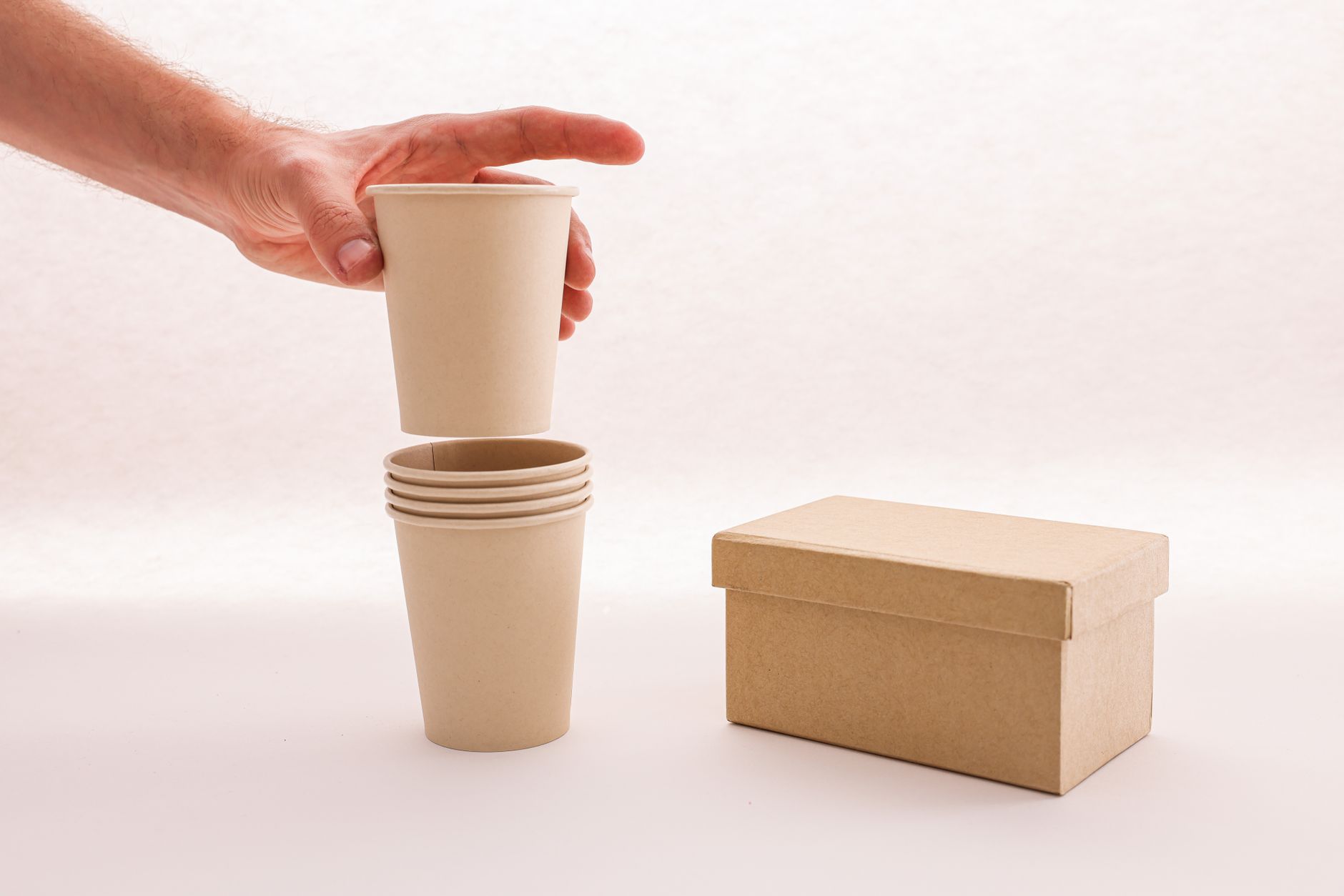 Photo by Cup of Couple
Not all “compostable” cups are created equal.
If you want a cup that actually breaks down in your backyard bin, you’ll need to check the label—think of it like reading the instructions before baking a cake. Look for these clues:
- Home Compostable Certification: The gold standard is a symbol or statement claiming “Home Compostable” (sometimes with a leaf or house icon). This means the cup will decompose in your normal compost, without special equipment.
- Familiar Logos: Cups may display trusted logos such as the Seedling, OK Compost HOME, or BPI Compostable. Just remember, “OK Compost” (without “HOME”) and BPI usually mean commercial composting only.
- Material Descriptions: Watch for words like “PLA” (polylactic acid) or “bioplastic.” These might sound green but rarely break down at home. Plant fiber, paper, or plain cardboard (with water-based ink) usually compost much faster.
- Fine Print and Disclaimers: Sometimes the packaging says, “Compostable where facilities exist.” This usually means you’ll need an industrial facility, not your garden pile.
For a handy breakdown of what each green packaging symbol means and how to tell if it’s truly home compostable, visit Decoding 20 Common Green Packaging Symbols.
Composting Methods: Compost Tumblers and Vermicomposting
When tackling the “are compostable cups really compostable” puzzle, your compost method makes a huge difference.
Here’s how these popular at-home systems measure up:
Compost Tumblers:
Compost tumblers are practical for people who want a smell-free setup with easy mixing. But, they don’t get anywhere near as hot as commercial sites.
Most paper-based cups, if shredded first, will eventually turn into compost in a tumbler—just not as quickly as food scraps.
Cups lined with PLA bioplastic may stick around for months, looking perfectly preserved while everything else breaks down.
- Pro tip: Cut cups into strips or small pieces before tossing them in. This helps microbes and moisture reach every bit, speeding things along.
Vermicomposting:
Worm bins (vermicomposting) are a fantastic solution for small spaces, and worms love soft, natural fibers.
However, they won’t touch most cups unless they’re clearly marked as home compostable with no hidden lining.
Even with eager worms, bioplastics and water-resistant coatings may never disappear.
- Real-world example: Compostable cups from a birthday party were cut up and added to a worm bin. Three months later, uncoated paper cups were almost gone, but bioplastic-lined options were still there—stubborn as ever.
Want to master more at-home strategies?
For fresh ideas, maintenance advice, and new ways to increase your composting skills, browse the Composting tips and tricks hub on Compost Charm.
There, you’ll find practical guides for every composting adventure, including vermicomposting and tumbler troubleshooting.
For even more on how common cup materials interact with home composting methods, check out the honest discussion at Can you actually Compost Compostable Cups At Home?.
Troubleshooting: What to Do If a Cup Isn’t Breaking Down
Sometimes you follow all the rules, but a compostable cup acts like a stubborn houseguest.
Maybe it’s still there after months, even while your apple peels vanish. Here’s what you can do:
- Check the Label (Again): Sometimes, only part of the cup is compostable. Double-check if there’s a liner or coating.
- Shred or Soak: Break the cup into smaller pieces or soak it in water before adding it to your bin or compost tumbler.
- Mix Ingredients: Surround the cup with lots of fruit and veg scraps. This not only boosts the microbes but also keeps moisture levels just right.
- Patience: Some plant fibers decompose slowly at home, especially in chilly weather. It may take a season—or longer.
- Try Industrial Collection: If your local council accepts compostable cups, use their food waste collection. These facilities get much hotter than what’s possible at home.
- Use the Right Tools: Aerate your pile with a turning fork, or use a compost accelerator to boost breakdown.
Cups that stick around too long aren’t the only culprit. Other compostable “single-serve” products, like coffee pods, can also cause headaches in a home setup.
For tips on dealing with stubborn pods, visit this honest guide to compostable coffee pods.
Still feeling stuck with home composting mishaps?
Reddit’s active composting community often discusses what to do when paper and compostable products won’t break down—see the conversation at What to do with paper products that are marketed as compostable.
If you keep running into trouble, drop by Compost Charm’s Ask A Question tool for fast, friendly tips from real composting enthusiasts.
Whether you choose to compost a cup at home or send it to a facility, knowing what to expect can save frustration and keep your compost pile healthier for you and the planet.
The Bigger Picture: Composting for a Sustainable Future
Composting might sound like a small task—just tossing your scraps or that “compostable” cup into a bin. But are compostable cups really compostable, and does this one choice actually help?
The answer is yes, when we follow the right steps.
Every composted cup, scrap, and peel means less waste sent to landfill and more healthy soil for our gardens and community spaces.
Composting isn’t just a trend; it’s one of the simplest actions anyone can take for a greener future, especially when we use tools like compost tumblers and try fun projects like vermicomposting.
Small Changes, Big Impact: Why Composting Matters
 Photo by Greta Hoffman
Think of composting as nature’s recycling. When you compost a cup instead of tossing it in the rubbish, you’re helping turn old waste into something brand new—like turning breadcrumbs back into a loaf of bread.
Even a single cup or banana peel reduces landfill use. Imagine if every family composted just one cup each week.
Times that by every home in your neighborhood—that’s mountains less waste every year.
Why does this matter so much? Each composted item means:
- Less landfill space needed
- Fewer greenhouse gases released
- Richer, more productive soil for gardens and parks
Kids love composting because it’s hands-on, a bit messy, and feels a lot like magic.
Families can make composting a game: who remembered to put the cup in the compost tumbler? Whose veggie scraps broke down the fastest?
These little habits stick with children for life, and they’re easy enough for anyone to learn.
Starting is as simple as using your household food scraps and, when safe, your certified compostable cups.
Even when the answer to are compostable cups really compostable isn’t always clear, any step towards composting brings a positive change.
For a deeper dive on why composting matters and how it helps the planet, check out the friendly guide at Composting 101.
Tools and Tips for Everyday Composters
Feeling unsure about where to begin? Anyone can compost—whether you have a big yard or just a corner of your kitchen.
Modern tools make it even easier.
Here are some simple tools and tricks to get started:
- Compost Tumblers: Fast, tidy, and low-effort. Perfect for families who want quick results and fewer pests.
- Kitchen Compost Caddies: Handy bins for collecting scraps by the sink.
- Vermicomposting Kits: Worm bins work in small spaces and help kids learn science while making incredible compost.
- Shredders or Scissors: Cut up cups and cardboard before composting for faster breakdown.
- Garden Forks and Aerators: Stirring your pile helps air get in, which speeds things up.
Sometimes, even seasoned composters need a reminder or a tip.
If you’re curious about different approaches, seasonal advice, or troubleshooting a tricky compost pile, the Compost Charm Composting tips and tricks section is full of solutions and fresh ideas.
Plus, if you’re not sure how to start, the step-by-step guide at Composting At Home | US EPA makes composting simple for everyone.
Ready to go further? If you want ideas beyond the basics, you’ll love Compost Charm’s guide to 6 Effective Composting Methods.
Whether you use a compost tumbler, a backyard bin, or vermicomposting, every effort brings us closer to a sustainable future.
Conclusion
Are compostable cups really compostable? Yes—if you know what to look for and use the right method.
Many compostable cups break down only in industrial composting, not in your garden bin or compost tumbler.
Home composting can work for some cups, but success often depends on choosing products labeled as home compostable and giving them the best shot in your setup.
Vermicomposting is friendly to simple paper cups, but struggles with bioplastics and hidden liners.
Composting at home is a smart, hands-on way to cut landfill waste and build better soil. The key is paying attention to the cup’s label, shredding for quicker results, and being patient—especially when cups take longer than food scraps.
Each green habit, whether it’s composting a cup or tossing veggie trimmings to your worms, adds up over time.
If you’re curious about what else can go in your compost pile, try learning more about making compost at home with kitchen scraps.
For anyone stuck with a stubborn cup, or looking for fast advice, use the Compost Charm Ask A Question tool.
Every small swap and question helps shape a greener world. Ready to test your skills or try a new composting trick?
Share your results, explore new methods, and keep those compost tumbler and vermicomposting adventures going!
Thanks for joining the movement toward a cleaner, healthier future.
Compostable Cups and Composting FAQ
Are compostable cups really compostable in a home compost bin or compost tumbler?
Some are, but most aren’t. Look for “home compostable” labels. Cups lined with bioplastic (often called PLA) rarely break down outside industrial composting.
What’s the best way to compost cups at home?
Shred the cup into small pieces and mix it well with food scraps. Compost tumblers and worm bins work best for paper-based or plain fiber cups.
Can worms eat compostable cups in vermicomposting?
Worms like plain paper and fiber, but won’t eat plastic or wax coatings. Only cups certified as home compostable are safe for vermicomposting.
Why do some compostable cups not break down in my compost pile?
They may be designed for higher temperatures in industrial facilities. If in doubt, double-check the packaging and look for compost certifications.
Where can I find more tips on composting at home, compost tumblers, or vermicomposting?
Browse Compost Charm for friendly how-tos and troubleshooting, start with Composting Calendar Tips for seasonal tricks, or explore the step-by-step guide to making compost at home.
Keep asking questions, trying new ideas, and sharing what you learn.
Composting keeps our world cleaner, and it’s easy to begin one cup and one scrap at a time!